
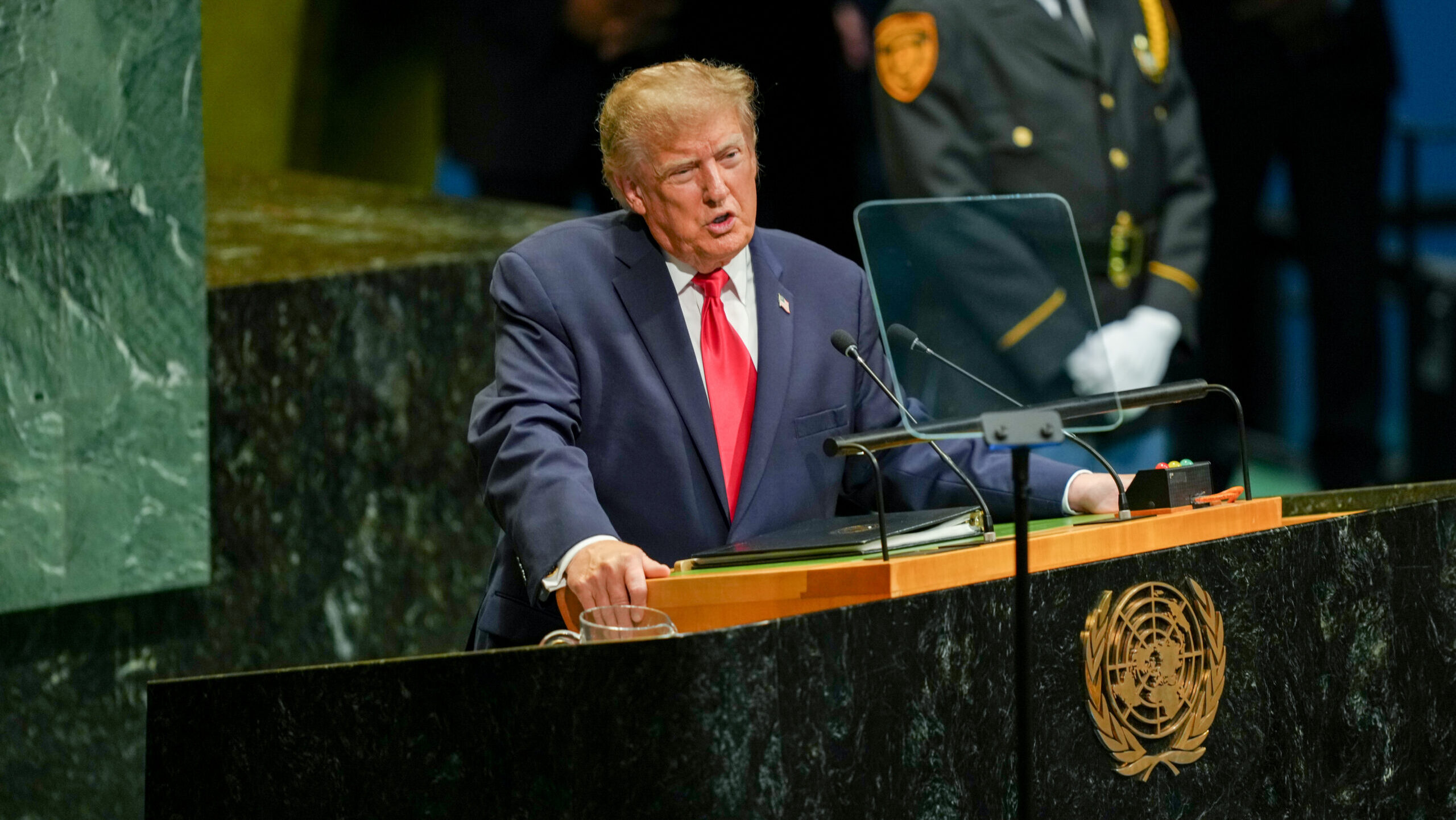
US Agencies: Trump Orders AI Terminology Change to 'Super Intelligence'
President Donald Trump issued an order mandating that all United States agencies refer to "Artificial Intelligence" as "Super Intelligence" in official documents, expressing a desire for this terminological shift to be adopted globally.
This directive, if fully implemented, represents a notable, albeit primarily semantic, shift in how the U.S. government formally conceptualizes and communicates about advanced computational systems. While it does not inherently alter the underlying technology or its immediate regulatory landscape, such a change in nomenclature could significantly influence public perception, policy discourse, and potentially the framing of future legislation or international agreements concerning AI. It might also signal a particular philosophical or strategic stance on the capabilities, potential, and implications of these technologies, moving away from the notion of mere 'artificiality' towards a more advanced, perhaps even autonomous, intelligence.
Legally, this order falls within the executive branch's authority to direct federal agencies on matters of policy, terminology, and internal operations. While it does not directly create new statutes or regulations, it could influence how existing laws or future legislative proposals related to technology, data governance, national security, and ethics are interpreted or applied by agencies. The broader legal context involves ongoing global debates about AI governance, ethical guidelines, liability frameworks, and intellectual property rights, where precise terminology can play a crucial role in defining scope, responsibilities, and regulatory boundaries.
The key parties involved are President Donald Trump, who issued the order, and all United States agencies, which are the direct recipients and implementers of this directive. Should the President's hope for global adoption materialize, international bodies and other national governments would also become relevant stakeholders in this terminological shift.
Attorneys advising clients on technology policy, government contracts, or regulatory compliance related to AI should be cognizant of this terminological shift within U.S. federal agencies. While the immediate practical legal implications are not entirely clear, it could necessitate adjustments in official communications, policy submissions, and potentially influence how agencies interpret their mandates concerning what is now to be called "super intelligence." Practitioners should monitor whether this directive leads to any substantive changes in regulatory approach, funding priorities, or legislative proposals concerning advanced AI systems. The actual implementation and long-term impact of this order are not reported in the excerpt.
How does this affect you?
Get an AI analysis of this article grounded in your jurisdictions, practice areas, and any policy documents you've uploaded to Wansom.
Finish Reading the Full Story and the Expert Analysis.
Get the latest legal & regulatory intelligence in United States
Wansom is AI and can make mistakes.