
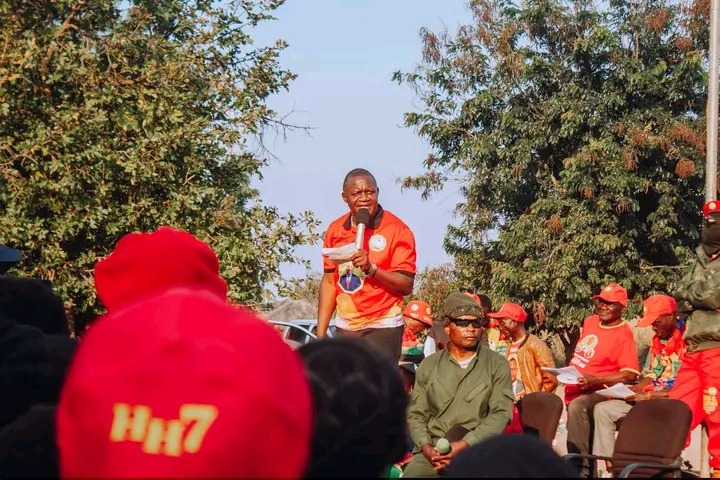
UPND Denies Enticing Members to File Election Petitions
Elvis Nkandu, a National Management Committee member of the United Party for National Development (UPND), publicly stated that the party neither enticed nor instructed any of its members to petition election results in Zambia, as reported by the Zambian Observer.
This statement holds considerable legal significance as it directly addresses allegations regarding the independence and motivation behind election petitions, which are vital legal mechanisms for challenging electoral outcomes and upholding democratic integrity within Zambia's electoral system. For legal practitioners, this development highlights the critical importance of understanding the legal framework governing election petitions, including issues such as standing, the burden of proof, and the potential for allegations of undue influence or party directives. It also underscores the often-intertwined political and legal dimensions of electoral challenges, where public perception can significantly impact the legitimacy of legal proceedings.
The primary legal context for this issue is Zambia's electoral law, predominantly the Electoral Process Act, which meticulously outlines the conduct of elections and the procedures for challenging results. Furthermore, the Constitution of Zambia enshrines the fundamental right to petition election outcomes. The High Court and the Constitutional Court serve as the principal fora for adjudicating such petitions, depending on the specific level of the election contested. Nkandu's statement implicitly touches upon the legal principle that election petitions should ideally be initiated by genuinely aggrieved parties acting independently, based on legitimate grounds, rather than as a result of party instruction, coercion, or political maneuvering.
The key parties involved in this development include Elvis Nkandu, representing the UPND National Management Committee, and the United Party for National Development (UPND) itself. Implicitly, the losing UPND Members of Parliament who have filed petitions are central to the context, as are the Electoral Commission of Zambia and the various courts responsible for hearing these electoral disputes. The excerpt does not report on the outcome of any specific petition or the resolution of the allegations mentioned.
Attorneys specializing in electoral law or political litigation should take note of the emphasis placed on the independent nature of election petitions. This reinforces the necessity for petitioners to demonstrate genuine grievances and for legal counsel to ensure that petitions are filed on robust legal grounds, free from any perception or allegation of political manipulation. It also serves as a crucial reminder that political statements can profoundly influence the public's perception and the overall legitimacy of legal processes, necessitating a careful integration of public relations considerations with legal strategy in high-profile electoral disputes. Practitioners should remain vigilant for any further developments or evidence related to these allegations, as they could potentially influence future electoral reforms or judicial interpretations of electoral conduct and party involvement.
How does this affect you?
Get an AI analysis of this article grounded in your jurisdictions, practice areas, and any policy documents you've uploaded to Wansom.
Finish Reading the Full Story and the Expert Analysis.
Wansom is AI and can make mistakes.