
UNHCR: Exposes Widespread Trafficking of Sudanese to Europe
Summary
- The UNHCR reported widespread abuses, including human trafficking, detention, and torture, against Sudanese migrants traveling to Europe.
- Sudanese migration to Europe surged dramatically after 2023, with 14,154 arrivals recorded in 2025.
- Greece became the primary European entry point for Sudanese migrants in 2025, largely via a new corridor from Libya to Crete.
- The majority of Sudanese migrants arriving in Europe are adult men, alongside a significant number of unaccompanied children.
- These dangerous journeys are undertaken due to unmet needs in neighboring countries and ongoing protection risks in Sudan.
Alarming Reports of Abuse and Exploitation
A report, published on Saturday, September 19, 2026, from Khartoum, detailed widespread human rights violations, including detention, torture, labor exploitation, and human trafficking.
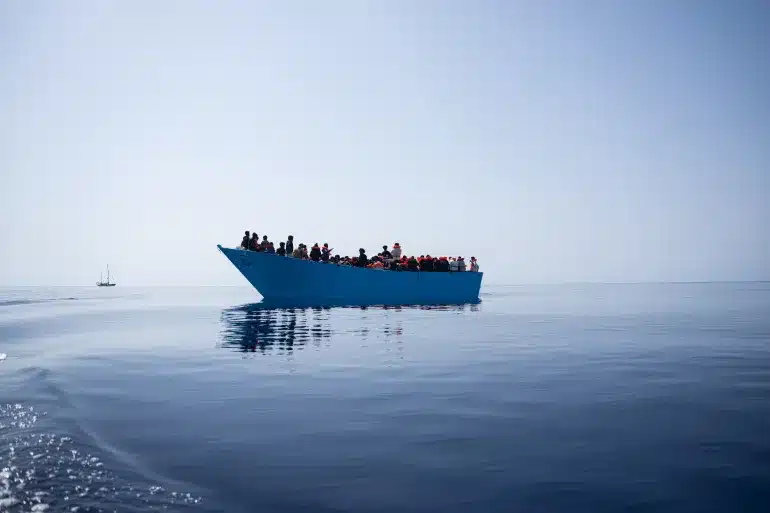
The United Nations High Commissioner for Refugees (UNHCR) has unveiled disturbing findings regarding Sudanese individuals undertaking perilous journeys to Europe. A report, published on Saturday, September 19, 2026, from Khartoum, detailed widespread human rights violations, including detention, torture, labor exploitation, and human trafficking. These abuses are experienced by Sudanese migrants as they navigate high-risk routes across the Mediterranean Sea, often in unsafe boats. The UNHCR's comprehensive report, titled "Movement of Sudanese to Europe: Profiles, Routes, and Challenges Along the Way," compiles accounts from those who have reached European shores.
Discussions with Sudanese arrivals in various European nations revealed consistent patterns of abuse. For instance, 35 participants in focus groups conducted in Greece, including one unaccompanied child, reported being held in Libya for periods ranging from two weeks to six months. Similar experiences of detention, torture, and exploitation were recounted by individuals participating in focus group discussions held in Italy and Spain, underscoring the systemic nature of the dangers faced by these vulnerable populations.
Surging Migration and Shifting European Gateways
The flow of Sudanese migrants to Europe has seen a dramatic increase, particularly following the outbreak of conflict in their home country. While numbers remained relatively low and stable in 2021 and 2022, a sharp escalation occurred in 2023, with 7,161 Sudanese individuals arriving in Europe – nearly triple the figures from the preceding two years. Although there was a dip to 4,094 arrivals in 2024, the trend reversed sharply in 2025, reaching 14,154 arrivals. Data accompanying the report indicates that Sudanese constituted only 2-3% of irregular arrivals to Europe between 2021 and 2024, but this proportion surged to 9% in 2025 and further to 12% during the first quarter of 2026.
The primary points of entry into Europe have also shifted. Italy recorded the highest number of Sudanese arrivals from 2021 to 2024. However, Greece emerged as the predominant destination in 2025, receiving 9,110 Sudanese migrants, an almost six-fold increase compared to 2024. This pattern persisted into the first quarter of 2026, with Sudanese arrivals in Greece accounting for 43% of all Sudanese migrants reaching Europe, coinciding with the establishment of a new migration corridor from Libya to the island of Crete. By 2025, Libya had become the departure point for approximately 84% of Sudanese individuals arriving in Europe.
Demographic Profile of a Vulnerable Population
The demographic composition of Sudanese migrants arriving in Europe differs significantly from those seeking refuge in neighboring countries. The majority of individuals making these dangerous journeys are adult men, though a notable percentage comprises unaccompanied and separated children. Between 2021 and 2025, men represented between 81% and 88% of all Sudanese arrivals in Europe, while unaccompanied or separated children accounted for 6% to 15% of the total.
This demographic profile stands in stark contrast to Sudanese refugee populations in countries bordering Sudan, excluding Libya, where women and children typically constitute a much larger proportion, ranging from 71% to 86% of the total refugee and asylum-seeker population. The prevalence of adult men and unaccompanied minors among those reaching Europe highlights specific vulnerabilities and motivations driving these high-risk migration patterns.
UNHCR's Call for Action and Data-Driven Insights
The increasing reliance of Sudanese individuals on highly dangerous migration routes to Europe is largely attributed to the inadequate provision of basic needs in neighboring countries and persistent protection risks within Sudan itself. The UNHCR's findings are based on a robust methodology, incorporating arrival data and in-depth interviews with 173 Sudanese individuals conducted across Southeast Europe from January 2025 to July 2026. These individual testimonies were further enriched by focused group discussions with Sudanese communities in Greece, Italy, and Spain, providing a comprehensive picture of their experiences. The report underscores the urgent need for international attention to address the root causes of this migration and the severe human rights abuses encountered along the way.
Source
How does this affect you?
Get an AI analysis of this article grounded in your jurisdictions, practice areas, and any policy documents you've uploaded to Wansom.
Finish Reading the Full Story and the Expert Analysis.
Get the latest legal & regulatory intelligence in Sudan
Wansom is AI and can make mistakes.