
UN Renews Special Rapporteur Mandate for Burundi Human Rights
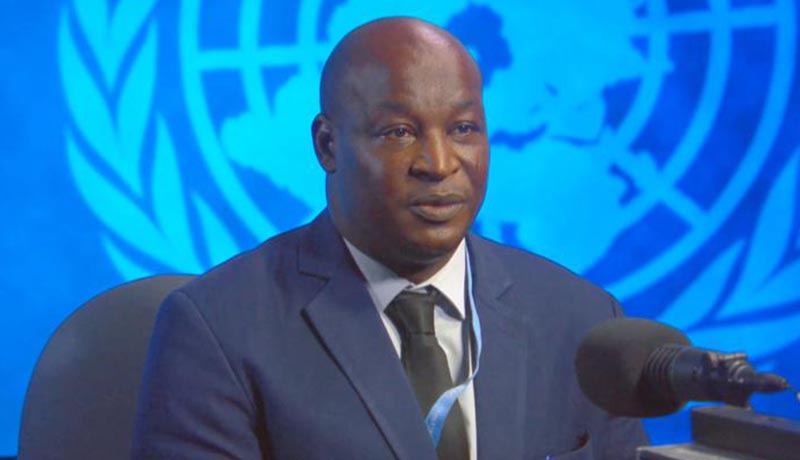
The mandate of the United Nations Special Rapporteur on human rights in Burundi, Fortuné Gaëtan Zongo, was renewed for an additional year by the UN Council during its 63rd session in Geneva, extending his oversight through the upcoming May 2027 presidential elections.
This renewal signifies continued international scrutiny on Burundi's human rights situation, particularly as the country approaches a critical electoral period. Mr. Zongo, a Burkinabé national, had previously alerted the UN Council on September 18 to early warning signs of an electoral crisis. His concerns encompass a range of severe human rights violations, including reports of summary or extrajudicial executions, forced disappearances, torture, and ill-treatment. While acknowledging that the 2025 elections proceeded without major violence, he expressed significant reservations regarding the absence of conditions conducive to inclusive, transparent, and credible polls, lamenting the shrinking civic and media space, lack of political pluralism, and an atmosphere of fear and intimidation surrounding the electoral process. Beyond internal political dynamics, the Special Rapporteur also highlighted the precarious security situation along Burundi's borders with the Democratic Republic of Congo, noting the circulation of arms and combatants from groups like M23 and RED-Tabara, and further warned of a health risk posed by the Ebola epidemic in the DRC, given Burundi's vulnerable health infrastructure.
The legal significance of this renewal lies in the sustained international monitoring and reporting mechanism it provides for human rights in Burundi. The role of a UN Special Rapporteur, as an independent expert appointed by the Human Rights Council, is crucial for fact-finding, public reporting, and engaging with states to promote and protect human rights. This mandate operates within the broader framework of international human rights law, including instruments such as the International Covenant on Civil and Political Rights (ICCPR) and the Convention Against Torture (CAT), to which Burundi is a state party, as well as regional instruments like the African Charter on Human and Peoples' Rights. The Special Rapporteur's reports serve as authoritative assessments that can inform policy decisions by international bodies, donor states, and other stakeholders, potentially influencing diplomatic relations, development aid, and targeted sanctions. The continued focus on electoral integrity and civic space underscores the importance of these principles under international law for democratic governance and stability.
Key parties involved in this development include Fortuné Gaëtan Zongo, the Special Rapporteur himself, and the UN Human Rights Council, which is the inter-governmental body responsible for strengthening the promotion and protection of human rights around the globe and which renewed his mandate. The government of Burundi is the primary subject of the mandate's oversight, and its cooperation (or lack thereof) with the Special Rapporteur is a critical factor. Additionally, the European Union is mentioned as having an assessment, though the excerpt does not detail its specific actions or findings. For legal practitioners, particularly those advising international organizations, NGOs, or businesses with operations or interests in Burundi, it is imperative to closely monitor the Special Rapporteur's upcoming reports and public statements. These documents provide invaluable insights into the country's human rights landscape, political stability, and rule of law environment, which can directly impact legal risk assessments, compliance strategies, and due diligence efforts. Attorneys should advise clients on the potential implications of a deteriorating human rights situation, including reputational risks, supply chain vulnerabilities, and the possibility of international sanctions or divestment pressures. The outcome of any specific recommendations made by the Special Rapporteur or actions taken by the UN Council based on his findings is not yet reported, but his continued presence ensures ongoing scrutiny.
How does this affect you?
Get an AI analysis of this article grounded in your jurisdictions, practice areas, and any policy documents you've uploaded to Wansom.
Finish Reading the Full Story and the Expert Analysis.
Get the latest legal & regulatory intelligence in Burundi
Wansom is AI and can make mistakes.