
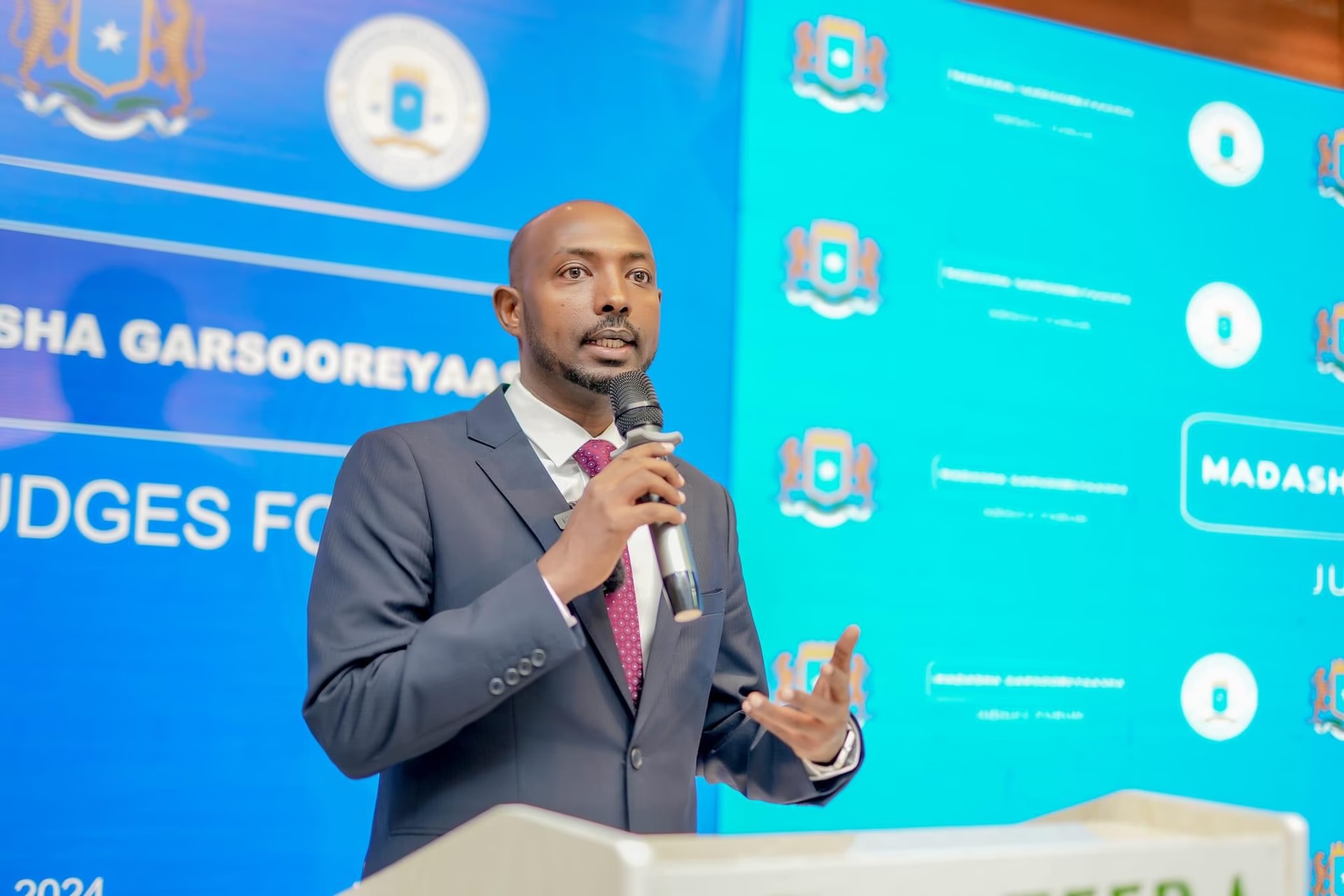
UN Experts Condemn Somalia Chief Justice Dismissal, Urge Reinstatement
Summary
- UN experts condemned the dismissal of Somalia's Chief Justice Bashe Yusuf Ahmed.
- Chief Justice Ahmed was removed from his position via a presidential decree.
- The UN experts called for his reinstatement and accused the Somali government of interfering with judicial independence.
- The dismissal occurred amidst a significant dispute over presidential and parliamentary term extensions in Somalia.
- The incident has raised serious Somalia judicial independence concerns among international observers.
The Dismissal and International Reaction
The dismissal of Somalia's Chief Justice by presidential decree, coupled with the subsequent UN condemnation, carries profound implications for the nation's legal landscape and its adherence to the rule of law.
United Nations experts recently expressed strong condemnation regarding the dismissal of Somalia's former Chief Justice, Bashe Yusuf Ahmed. The top judicial official was removed from his position through a presidential decree, an executive action that has immediately drawn significant international scrutiny and concern. This abrupt move prompted an urgent call from the UN experts for Chief Justice Ahmed's prompt reinstatement, signaling the international community's alarm over the circumstances surrounding his removal.
The specialists from the international body explicitly accused the Somali government of directly interfering with the autonomy and independence of the judiciary. This serious accusation highlights profound concerns about the separation of powers within the nation and the potential for political influence to compromise the integrity and impartiality of legal processes. The UN condemnation Somalia judiciary reflects a broader apprehension about the foundational principles of the rule of law within the country, especially given the high-profile nature of the position involved.
Political Underpinnings and Judicial Autonomy
The controversial Bashe Yusuf Ahmed dismissal Somalia did not occur in isolation but rather against a backdrop of significant and escalating political tension within the nation. At the precise time of his removal, Somalia was deeply embroiled in a contentious dispute concerning the extension of terms for both presidential and parliamentary offices. This ongoing Somalia term extensions dispute provides crucial context for understanding the timing and potential motivations behind the executive's decision to remove the head of the judiciary, suggesting a link between political maneuvering and judicial oversight.
The UN experts' statement directly connected the government's actions to this broader political climate, asserting that the dismissal constituted an act of interference with judicial independence. Such an intervention, particularly during a period of constitutional uncertainty and political flux, raises serious questions about the judiciary's capacity to function as an impartial arbiter in critical national matters. The utilization of a presidential decree Chief Justice Somalia to effect such a high-profile removal further exacerbates these concerns, pointing to a potential overreach of executive power that could undermine the checks and balances essential for democratic governance.
Implications for Somalia's Legal Framework
The dismissal of Somalia's Chief Justice by presidential decree, coupled with the subsequent UN condemnation, carries profound implications for the nation's legal landscape and its adherence to the rule of law. Lawyers and compliance officers with existing or prospective interests in Somalia should therefore closely monitor the stability and independence of the Somali judiciary. This incident clearly indicates potential political interference that could significantly impact legal certainty, the enforceability of legal decisions, and the overall reliability of the justice system within the jurisdiction, creating an environment of increased risk.
The concerns surrounding Somalia judicial independence are paramount, as a judiciary perceived to be susceptible to political pressure can severely erode public trust in institutions and potentially deter crucial foreign investment. The international community, articulated through the voice of UN experts, has made it unequivocally clear that the integrity and autonomy of the judicial system are fundamental prerequisites for national stability, good governance, and the protection of human rights. The call for Chief Justice Ahmed's reinstatement is not merely about the fate of one individual but about upholding the foundational principles of an independent judiciary in Somalia, which is vital for its long-term development and security.
Practical Implications
Lawyers and compliance officers operating in or with interests in Somalia should closely monitor the stability and independence of the Somali judiciary, as the dismissal of the Chief Justice by presidential decree, and subsequent UN condemnation, indicates potential political interference that could impact legal certainty, the rule of law, and the enforceability of legal decisions within the jurisdiction.
Source
How does this affect you?
Get an AI analysis of this article grounded in your jurisdictions, practice areas, and any policy documents you've uploaded to Wansom.
Finish Reading the Full Story and the Expert Analysis.
Get the latest legal & regulatory intelligence in Somalia
Wansom is AI and can make mistakes.