
UN Considers Future of Genocide Archives, Staff Cuts
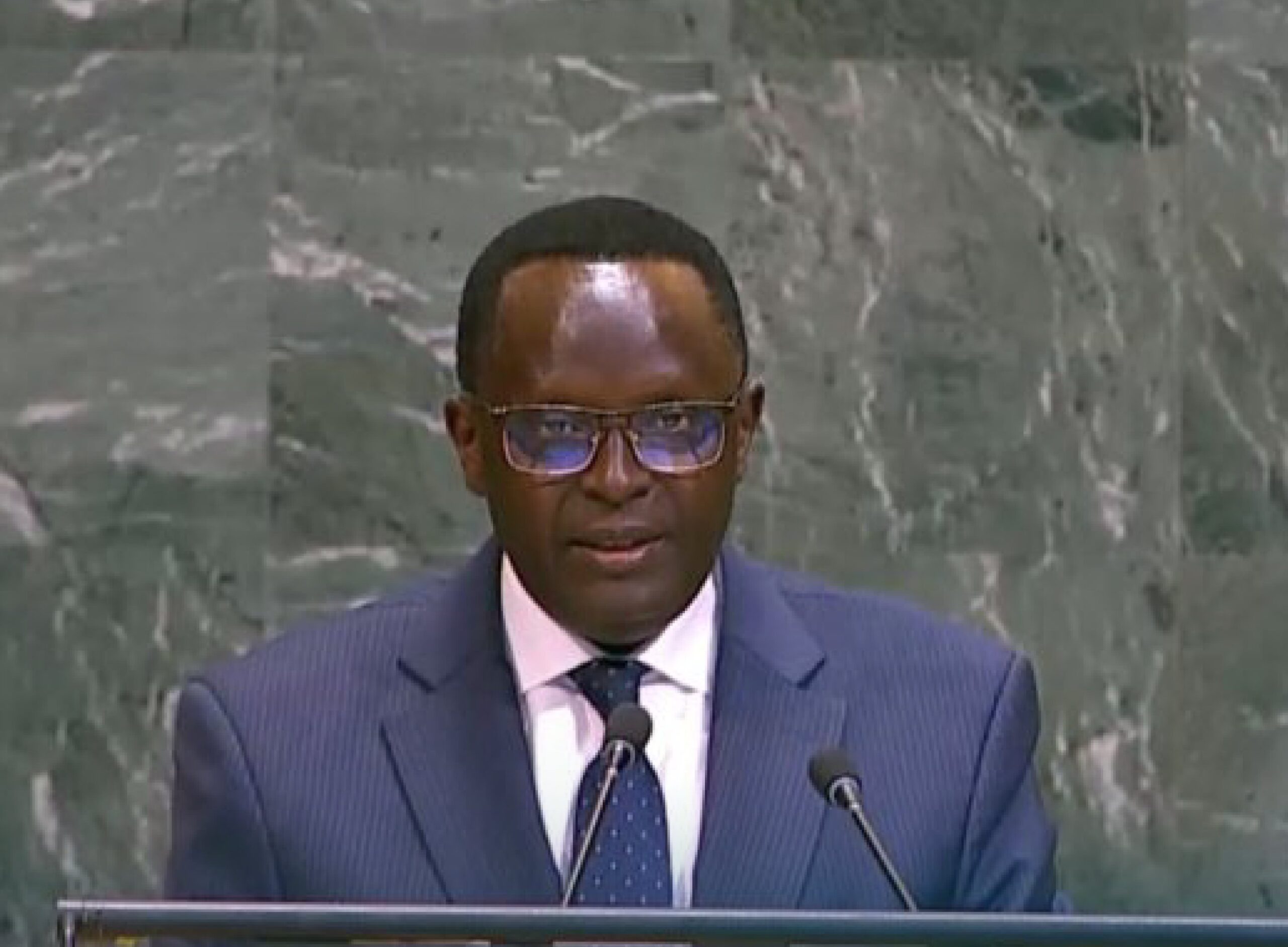
Rwanda’s UN Permanent Representative Martin Ngoga speaking on Thursday in the UN General Assembly NEW YORK – The United Nations is considering a major reduction in the staff of its remaining international war crimes mechanism, with a proposed plan envisaging cuts of up to 89% by mid-2028 as the institution prepares to transfer or complete its outstanding responsibilities. The plan, presented to the UN Security Council in May 2026, sets out timelines for deciding which functions should end, which should be transferred to other institutions and which must remain under international supervision. But the proposed changes leave important questions about the long-term protection of victims and witnesses, the management of tribunal archives and the handling of sentences and early-release decisions. These issues featured in a debate on October 21, when Judge Graciela Gatti Santana, president of the International Residual Mechanism for Criminal Tribunals (IRMCT), presented its fourteenth annual report to the UN General Assembly. The Mechanism carries out the remaining responsibilities of the International Criminal Tribunal for Rwanda (ICTR) and the International Criminal Tribunal for the former Yugoslavia (ICTY), both of which were established to prosecute serious crimes committed during conflicts in the 1990s. Gatti Santana said the UNs obligations would not end simply because the institution completed its judicial work. The Mechanism remains responsible for protecting approximately 3,200 victims and witnesses, safeguarding the rights of convicted persons and ensuring the permanent management of UN-owned archives. She said the proposed strategic plan offered a path towards a responsible conclusion of the Mechanisms work, but stressed that implementing the changes required a Security Council resolution. Delegations broadly supported an orderly and time-bound transfer or completion of the Mechanisms remaining functions. They also stressed that restructuring should not undermine judicial independence, victim protection or the legacy of international criminal justice. Austria said the Mechanism must continue to address outstanding responsibilities, including remaining fugitives, prisoners and protected witnesses. It also highlighted the importance of preserving records against historical denial and revisionism. India called for an efficient transition that maintains due process, judicial independence and access to archives. It also raised the need for a lasting solution for acquitted or released persons relocated to Niger. Croatia offered to take responsibility for the long-term preservation of the ICTY and Mechanism archives as a unified collection, and said suitable premises were available to host the relevant UN entity. Rwanda, represented by Ambassador Martin Ngoga, renewed its call for the ICTR archives to be transferred to the country where the genocide was committed and where survivors live. “The Tribunal was established to serve justice. Its closure should serve that same purpose,” Ngoga said. Rwanda argued that decisions about the Mechanisms future should take account of survivors and the country whose history the records preserve. The positions reflect a wider challenge facing the UN: how to transfer the institutions remaining responsibilities without weakening access to evidence, protection for witnesses or the ability to pursue accountability. Gatti Santana also backed the recommendation that decisions on pardons, commutations and early release should remain at the international level. She said this would promote consistency and legal certainty, while allowing judges familiar with the cases to remain involved. She warned that the gains made through international prosecutions could be undermined by attempts to deny or rewrite the history of atrocities. She cited the reported heros funeral for former Bosnian Serb military commander Ratko Mladić in Belgrade as an example of the continuing risks of historical revisionism. No forma
How does this affect you?
Get an AI analysis of this article grounded in your jurisdictions, practice areas, and any policy documents you've uploaded to Wansom.
Finish Reading the Full Story and the Expert Analysis.
Get the latest legal & regulatory intelligence in Rwanda
Wansom is AI and can make mistakes.