
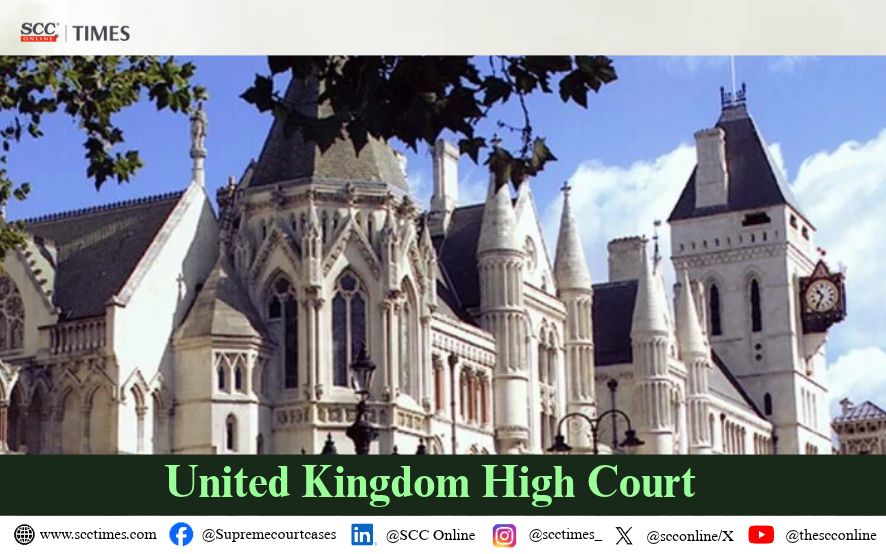
UK High Court: Rules on Unilateral Arbitration Validity Challenge
Summary
- A family business dispute over shares allegedly held by nominees led to LCIA arbitration under a 2021 deed.
- The arbitration concluded with an award in favor of the parent company.
- The family members subsequently challenged the arbitration clause and the tribunal's jurisdiction in the UK High Court.
- The case specifically examined the validity of a clause granting a unilateral right to refer disputes to arbitration.
- This ruling has provided crucial guidance on the enforceability of asymmetric dispute resolution provisions in the UK.
The Dispute's Genesis
Lawyers must meticulously consider the drafting of these provisions to avoid future challenges to LCIA arbitration agreement validity or the jurisdiction of any arbitral tribunal.
A disagreement within a family-owned enterprise concerning the ownership of shares has culminated in a significant legal challenge before the UK High Court. The core of the dispute revolved around allegations that certain family members held shares as nominees on behalf of the parent company. This internal conflict initially progressed to arbitration under the auspices of the London Court of International Arbitration (LCIA), as stipulated by a deed executed in 2021.
The LCIA arbitration proceedings ultimately concluded with a favorable outcome for the parent company, which secured an award. However, this resolution did not mark the end of the legal battle. The family members against whom the award was made subsequently brought their case to the UK High Court, initiating a challenge against both the validity of the underlying arbitration clause and the jurisdiction of the arbitral tribunal that rendered the decision. This move underscores a critical examination of the enforceability of dispute resolution clauses, particularly those involving arbitration.
The Unilateral Arbitration Clause Challenge
The central legal question that faced the UK High Court concerned the enforceability of the specific arbitration clause contained within the 2021 deed, and the court has since issued its ruling. The family members' challenge specifically targets the tribunal's authority, arguing that the mechanism for dispute resolution itself may be flawed. This case therefore provides a crucial examination of the UK High Court unilateral arbitration validity, focusing on whether a provision granting one party a unilateral right to compel arbitration can constitute a legally sound and enforceable arbitration agreement.
Such a unilateral arbitration clause challenge raises fundamental questions about fairness and mutuality in contractual dispute resolution provisions. The court's interpretation has been vital in clarifying the boundaries for arbitration agreement enforceability in the UK, particularly for clauses that appear to grant asymmetric rights. The outcome has significantly influenced how similar dispute resolution clauses are viewed and whether they can withstand judicial scrutiny when challenged.
Broader Implications for Dispute Resolution Clauses
This litigation, which has since concluded with a High Court ruling, holds substantial implications for legal professionals involved in drafting or reviewing commercial agreements, especially those containing dispute resolution clauses UK. The High Court's ruling has offered critical guidance on the legal validity of asymmetric arbitration provisions, which are not uncommon in various commercial contexts. Understanding the court's stance on the enforceability of a unilateral right to refer disputes to arbitration is paramount for ensuring that such clauses are robust and effective.
Lawyers must meticulously consider the drafting of these provisions to avoid future challenges to LCIA arbitration agreement validity or the jurisdiction of any arbitral tribunal. The case highlights the necessity of precision and foresight when structuring dispute resolution mechanisms, particularly when one party retains a disproportionate power to initiate arbitration. This judicial review served as a timely reminder that even seemingly standard arbitration agreements can be subject to rigorous challenge, emphasizing the need for careful legal analysis from inception.
Practical Implications
Lawyers drafting or reviewing dispute resolution clauses, particularly those granting unilateral rights to refer disputes to arbitration, must understand the UK High Court's interpretation to ensure enforceability or to identify potential grounds for challenging such agreements. This ruling provides critical guidance on the legal validity of asymmetric arbitration provisions.
Source
Source: Original reporting via SCC Times
How does this affect you?
Get an AI analysis of this article grounded in your jurisdictions, practice areas, and any policy documents you've uploaded to Wansom.
Finish Reading the Full Story and the Expert Analysis.
Get the latest legal & regulatory intelligence in India
Wansom is AI and can make mistakes.