
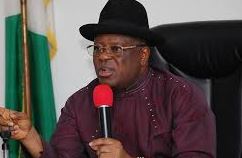
Rev. David Ugolor: Demands N30bn East-West Road Approval Details
Summary
- Activist Rev. David Ugolor has challenged Minister of Works Dave Umahi to publish details of a N30 billion federal approval.
- The N30 billion is designated for remedial works on Nigeria's East-West Road.
- Ugolor, publisher of The Common Good Letter, asserts that public disclosure promotes transparency and accountability in public fund usage.
- The demand highlights a broader call for greater accountability in Nigerian public works and government contracts.
Call for Transparency on Road Funding
Lawyers advising clients involved in Nigerian public infrastructure projects should anticipate increased scrutiny and demands for transparency regarding funding and expenditure.
Rev. David Ugolor, a prominent activist and the publisher behind The Common Good Letter, has publicly challenged Nigeria's Minister of Works, Dave Umahi. Ugolor's demand centers on the immediate publication of comprehensive details concerning the Federal Government's N30 billion approval. This significant sum has been earmarked for crucial remedial works intended for the East-West Road, a vital artery within the nation's infrastructure network.
The core of Ugolor's appeal is rooted in the imperative for enhanced transparency and accountability in the management and deployment of public financial resources. He argues that making the specifics of the N30bn East-West Road approval details publicly accessible is essential to foster trust and ensure that the funds are utilized effectively and without impropriety. This call underscores a broader societal expectation for openness in government expenditures, particularly on large-scale infrastructure projects.
The East-West Road Remedial Works
The N30 billion allocation specifically targets remedial works on the East-West Road, indicating a recognition by the Federal Government of the need for significant intervention to improve its condition. Such projects are critical for economic development and connectivity, making the efficient and transparent use of allocated funds a matter of considerable public interest. The scope and nature of these remedial works, along with the timeline and contractors involved, are among the details sought by Ugolor.
The substantial financial commitment of N30 billion for these specific repairs highlights the scale of the infrastructure challenge and the potential impact of the project. Public disclosure of how these funds will be managed, including procurement processes and expenditure breakdowns, is seen as a fundamental step towards ensuring the successful and ethical completion of the East-West Road remedial works, thereby benefiting the Nigerian populace.
Demands for Public Works Accountability
The challenge issued by Rev. David Ugolor to Minister Dave Umahi is not an isolated incident but reflects a growing demand for robust public works accountability across Nigeria. Activists and civil society organizations frequently advocate for greater scrutiny of government contracts and spending, especially when significant public funds are involved. Ugolor's stance, as articulated through his role as an activist and publisher of The Common Good Letter, emphasizes that transparency is a cornerstone of good governance and a deterrent against corruption.
This push for N30bn road funding disclosure aligns with broader efforts to improve Nigeria public works accountability. When details of such approvals are withheld, it can fuel speculation and erode public confidence in government processes. Therefore, the call for the Minister of Works to release the full N30bn East-West Road approval details serves as a critical test of the administration's commitment to open governance and fiscal responsibility.
Implications for Infrastructure Projects
Lawyers advising clients involved in Nigerian public infrastructure projects should anticipate increased scrutiny and demands for transparency regarding funding and expenditure. This heightened focus, exemplified by Rev. David Ugolor's challenge, suggests a trend where public interest groups are more likely to demand detailed information about government contracts and financial allocations. Proactive disclosure of information, such as the N30bn East-West Road approval details, can mitigate risks of public backlash and legal challenges.
Failure to proactively disclose such information could potentially lead to public interest litigation or regulatory inquiries, aligning with calls for greater accountability in government contracts. The current climate necessitates that all stakeholders in major projects, including the East-West Road, operate with an understanding that their financial dealings and operational processes may be subject to intense public and media examination. This shift underscores the importance of robust internal controls and a readiness to provide clear, verifiable information when requested.
Practical Implications
Lawyers should advise clients involved in Nigerian public infrastructure projects to anticipate increased scrutiny and demands for transparency regarding funding and expenditure, potentially leading to public interest litigation or regulatory inquiries if details are not proactively disclosed, aligning with calls for greater accountability in government contracts.
Source
How does this affect you?
Get an AI analysis of this article grounded in your jurisdictions, practice areas, and any policy documents you've uploaded to Wansom.
Finish Reading the Full Story and the Expert Analysis.
Wansom is AI and can make mistakes.