
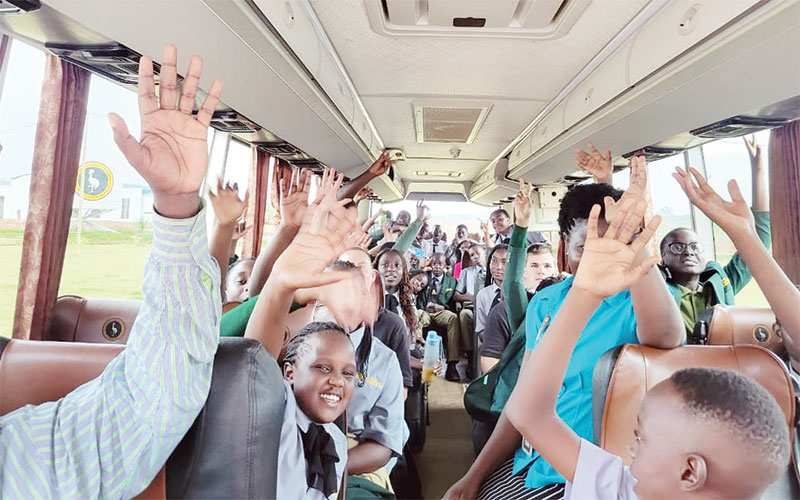
Uganda: School Trip Ban After King David Accident Kills 20
Summary
- All school trips and educational tours in Uganda have been suspended following a tragic accident.
- The accident occurred on July 16, involving learners from King David Junior School in Ndejje.
- The incident resulted in the deaths of 20 learners and one adult.
- The suspension creates a difficult balance for schools between ensuring learner safety and providing practical learning experiences.
- Educational institutions are now challenged to find alternative methods for experiential learning.
Tragic Accident Prompts Immediate Action
This profound loss of life prompted swift regulatory intervention, aiming to prevent any recurrence of such a catastrophe.
A devastating incident on July 16 led to the immediate suspension of all school trips and educational tours across Uganda. The tragic event involved learners from King David Junior School in Ndejje, where an accident claimed the lives of 20 students and one adult. This profound loss of life prompted swift regulatory intervention, aiming to prevent any recurrence of such a catastrophe.
The accident, which has been widely reported, underscored critical concerns regarding the safety protocols and oversight mechanisms for educational excursions. The immediate aftermath saw authorities move to halt all non-essential travel for students, reflecting a serious commitment to addressing the underlying risks associated with these activities. The Uganda school trip ban following the King David accident has sent ripples through the educational sector, forcing a re-evaluation of how practical learning experiences are conducted.
Regulatory Response and Educational Dilemma
The nationwide Uganda educational tour suspension was a direct response to the fatalities, signaling a heightened focus on student welfare by the relevant authorities. This decisive action, while aimed at bolstering Uganda school safety regulations, has simultaneously presented a significant challenge for educational institutions. Schools are now grappling with the complex task of balancing the imperative of learner safety with the recognized benefits of practical, experiential learning.
The Ministry of Education's directive to suspend these excursions highlights a critical tension within the educational framework. While the primary goal is to protect students, the absence of educational tours impacts the curriculum's practical components. This situation necessitates a careful review of existing guidelines and potentially the development of more robust frameworks to ensure that future educational trips can proceed safely and effectively, without compromising the quality of learning.
Impact on Practical Learning and Future Outlook
The current suspension has left many schools in a difficult position, struggling to provide the hands-on learning experiences that are often integral to a comprehensive education. Practical learning, which frequently relies on field trips and excursions, is now severely curtailed, impacting students' ability to engage with subjects outside the traditional classroom setting. This creates a significant gap in the educational journey, particularly for disciplines that benefit immensely from real-world observation and interaction.
The long-term implications of the Uganda school practical learning impact could be substantial, potentially affecting students' understanding and engagement with various subjects. Educational institutions are now tasked with finding alternative methods to deliver practical knowledge, which may include virtual tours, in-school simulations, or other innovative approaches. The challenge remains to integrate these alternatives effectively while awaiting a resolution that allows for the safe resumption of educational travel, ensuring that the valuable component of experiential learning is not permanently diminished.
Practical Implications
Lawyers advising educational institutions in Uganda should be aware of the heightened scrutiny and potential new regulations or enforcement actions regarding school trips and educational tours, especially concerning liability and student safety protocols. This could impact compliance requirements and risk assessments for schools.
Source
How does this affect you?
Get an AI analysis of this article grounded in your jurisdictions, practice areas, and any policy documents you've uploaded to Wansom.
Finish Reading the Full Story and the Expert Analysis.
Wansom is AI and can make mistakes.