
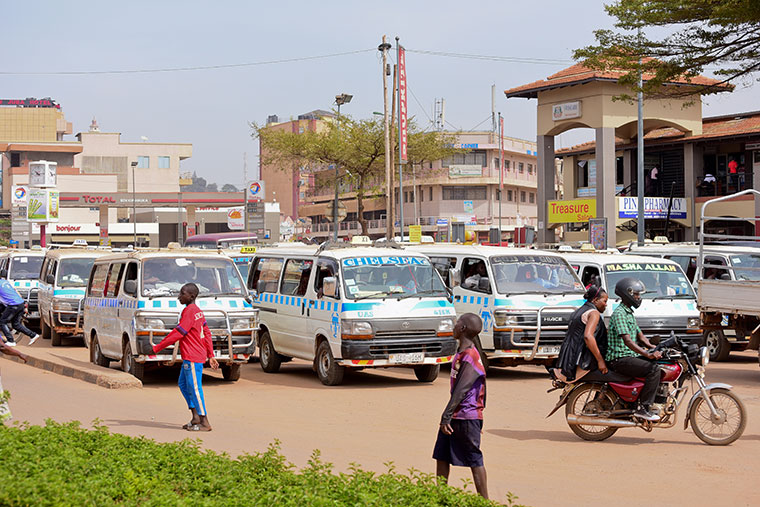
Uganda Police: Operation Ganyegenya Crackdown Temporarily Paused
Summary
- Operation Ganyegenya, a 100-day crackdown on dangerous public service vehicles in Uganda, has been temporarily paused.
- The operation, launched on August 24, was actively enforced for only one day since its inception last week.
- The Ministry of Works and Transport had directed a crackdown on dangerous PSVs four days before the police operation began.
- Police have provided an explanation for the limited initial enforcement of the operation.
- The pause offers a brief reprieve for transport operators, but legal obligations for vehicle roadworthiness remain.
Operation Ganyegenya Temporarily Halted
Lawyers advising clients within the transport sector should communicate this temporary halt in Uganda traffic police operations, emphasizing that while immediate enforcement actions under Operation Ganyegenya are paused, the underlying legal framework for public service vehicle enforcement in Uganda remains unchanged.
Uganda's police force has temporarily suspended active enforcement of Operation Ganyegenya, a comprehensive 100-day initiative designed to target dangerous and unroadworthy public service vehicles (PSVs). Despite its launch last week, the crackdown, which officially commenced on August 24, saw active enforcement for only a single day. Authorities have provided an explanation for this limited initial activity, leading to a current pause in the operation.
This unexpected delay in the widespread implementation of Operation Ganyegenya means that the rigorous checks and enforcement actions against non-compliant PSVs have been put on hold for the time being. The operation's primary objective is to enhance road safety by removing vehicles that pose a risk to passengers and other road users due to their condition or operational practices. The brief enforcement period highlights a momentary reprieve for operators, though the underlying regulatory requirements remain firmly in place.
Regulatory Mandate and Public Safety Concerns
The initiation of Operation Ganyegenya followed a direct mandate from the Ministry of Works and Transport, which had issued a directive for a crackdown on public service vehicles operating under dangerous conditions four days prior to the police operation's launch. This directive, issued around August 20, underscored a concerted governmental effort to address persistent issues of vehicle roadworthiness and passenger safety within the public transport sector across Uganda. The Ministry's intervention signals a broader commitment to upholding safety standards and ensuring that PSVs adhere to established regulations.
The prevalence of unroadworthy vehicles and unsafe operating practices among public service transport providers has long been a significant concern for road safety advocates and regulatory bodies in Uganda. Such conditions contribute to a heightened risk of accidents, injuries, and fatalities. Therefore, the Ministry of Works and Transport's directive and the subsequent police operation were intended to be a robust response to these critical public safety challenges, aiming to enforce compliance and improve the overall safety landscape of public transportation.
Implications of the Pause for Operators
The temporary suspension of Operation Ganyegenya offers a brief window for transport companies and individual public service vehicle operators in Uganda to reassess and ensure their compliance with vehicle safety standards without immediate enforcement pressure. While the active crackdown on unroadworthy vehicles is currently delayed, the fundamental legal obligation to maintain roadworthy vehicles and adhere to all safety regulations persists. This period should be viewed as an opportunity for proactive compliance rather than a permanent cessation of enforcement.
Lawyers advising clients within the transport sector should communicate this temporary halt in Uganda traffic police operations, emphasizing that while immediate enforcement actions under Operation Ganyegenya are paused, the underlying legal framework for public service vehicle enforcement in Uganda remains unchanged. Operators are strongly advised to utilize this time to rectify any deficiencies in their vehicles, ensuring they meet all required safety and operational standards, as the operation is widely expected to resume its full 100-day course in due time.
Practical Implications
The temporary pause in Operation Ganyegenya offers a brief reprieve for transport companies and public service vehicle operators in Uganda from immediate enforcement actions. Lawyers advising clients in the transport sector should communicate this delay, while still emphasizing the ongoing legal obligation to ensure vehicle roadworthiness and compliance with safety standards, as the operation is likely to resume.
Source
How does this affect you?
Get an AI analysis of this article grounded in your jurisdictions, practice areas, and any policy documents you've uploaded to Wansom.
Finish Reading the Full Story and the Expert Analysis.
Wansom is AI and can make mistakes.