
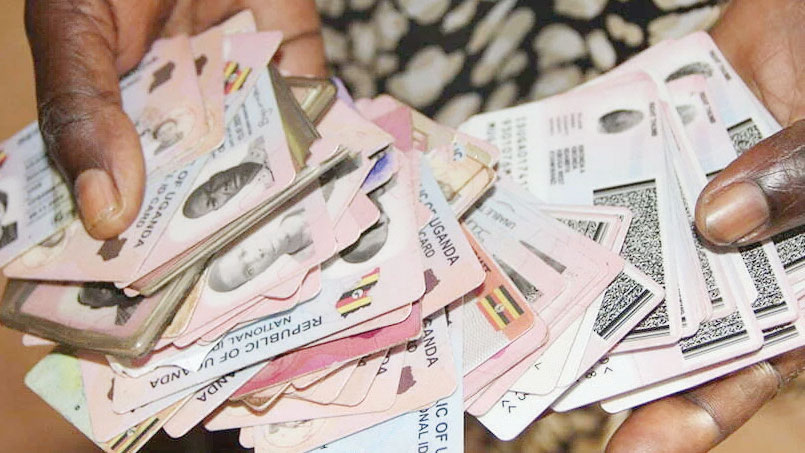
Uganda: NIN Data Collection Legality Questioned for Entry
Summary
- Security personnel in Uganda frequently request National Identification Numbers (NINs) for building entry.
- This practice raises significant questions about the legal authority for data collection and the subsequent handling of NINs.
- The Personal Data Protection Office (PDPO) is a key institution relevant to these data protection concerns.
- Addressing these issues is crucial for fostering trust and ensuring the healthy development of Uganda's digital economy.
Emerging Data Collection Practices
A thriving and resilient digital economy is fundamentally built upon a bedrock of trust, and when foundational questions about individual data rights, organizational accountability, and the security of personal identifiers remain unresolved, it can severely impede both innovation and sustainable growth.
Across Uganda, a discernible pattern has taken root where individuals are frequently requested to furnish their National Identification Numbers (NINs) by security personnel as a prerequisite for gaining entry into various buildings. This widespread practice, while often encountered, has ignited a series of fundamental inquiries regarding the legitimate scope and subsequent implications of such data acquisition. The act of demanding a NIN for access immediately prompts individuals to question the precise legal or organizational authority that grants an entity the right to collect this highly sensitive personal identifier.
Beyond the initial point of collection, there is a profound lack of transparency concerning the fate of this information. Individuals are left to speculate about the specific protocols governing the handling, secure storage, and eventual disposition of their NINs once they have completed their visit and departed the premises. This scenario highlights a growing tension between the imperative for security measures and the fundamental right to individual data privacy within the nation, bringing to light the need for clearer guidelines and accountability.
Navigating Legal and Regulatory Ambiguities
The critical questions that arise from the routine collection and subsequent management of National Identification Numbers by various private sector entities are far from isolated concerns; instead, they are deeply embedded within the broader context of Uganda's evolving legal and regulatory framework. The pointed query, "who gave that organization the right to collect it," directly challenges the foundational legal basis and explicit authorization for such extensive data acquisition. In addressing these complex issues, the Personal Data Protection Office (PDPO) emerges as a central and highly relevant institutional body, tasked with the oversight and enforcement of data protection principles throughout the country.
The very prevalence of these public inquiries and the uncertainty they reveal underscore a potential ambiguity or an absence of clear, universally understood conditions under which organizations are permitted to lawfully demand and process such vital personal data. Without the establishment of transparent guidelines, robust data handling protocols, and strict adherence to existing legal frameworks, the unchecked and widespread collection of NINs risks not only eroding public trust but also creating significant vulnerabilities for citizens whose personal information is being gathered without clear justification or guaranteed protection.
Implications for Uganda's Digital Economy
The ongoing public discourse and the persistent questioning surrounding the collection and subsequent handling of National Identification Numbers are not merely tangential issues; they reside at the very heart of Uganda's rapidly expanding digital economy. As the nation continues its trajectory towards comprehensive digital transformation, the secure, ethical, and responsible management of personal data becomes an absolutely paramount concern. The anxieties generated by potentially unauthorized NIN collection, coupled with the pervasive uncertainty regarding the ultimate fate of this sensitive data once it has been provided, can significantly undermine the confidence of citizens.
This lack of assurance may deter individuals from fully engaging with and participating in the myriad digital services and transactions that are crucial for economic advancement. A thriving and resilient digital economy is fundamentally built upon a bedrock of trust, and when foundational questions about individual data rights, organizational accountability, and the security of personal identifiers remain unresolved, it can severely impede both innovation and sustainable growth. Therefore, establishing unequivocal clarity on data collection rights and responsibilities is not just a matter of compliance, but a strategic imperative for fostering a secure, trustworthy, and ultimately prosperous environment essential for the sustained development of Uganda's digital future.
Practical Implications
Organizations in Uganda must review their National Identification Number (NIN) collection practices to ensure compliance with data protection laws, as the Personal Data Protection Office is scrutinizing unauthorized data requests. Lawyers should advise clients on establishing clear legal bases and data handling protocols for NINs to mitigate compliance risks and potential enforcement actions.
Source
How does this affect you?
Get an AI analysis of this article grounded in your jurisdictions, practice areas, and any policy documents you've uploaded to Wansom.
Wansom is AI and can make mistakes.