
Uganda Motorsport Federation Adopts New Constitution, Sets 2027 Elections
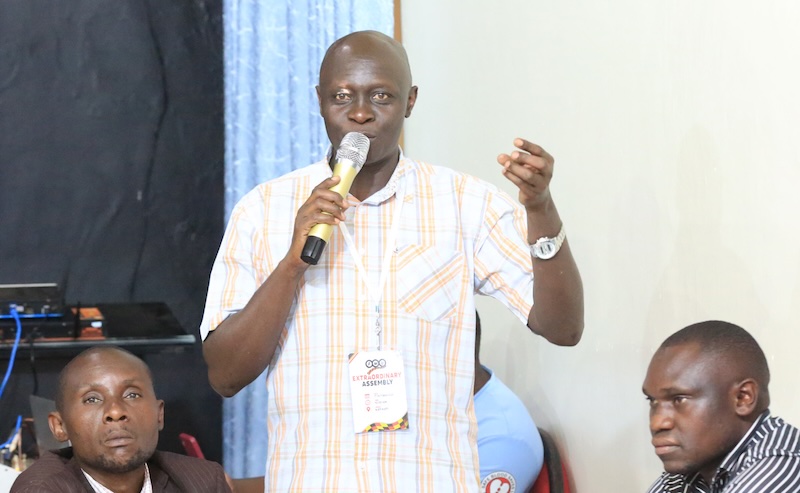
In Uganda, the Federation of Motorsport Clubs of Uganda (FMU) adopted a new constitution and established a new roadmap for the sport, including elections scheduled for February 2027, at an Extra-Ordinary General Meeting (EGM) held at Kati Kati Restaurant, Lugogo.
This development signifies a critical step towards enhanced governance and regulatory compliance within Ugandan sports, particularly motorsport. For legal practitioners advising sports federations, associations, or individual athletes, it highlights the ongoing imperative for sports bodies to align their internal regulations with national legal frameworks. The adoption of a new constitution often entails significant changes to membership rights, electoral processes, dispute resolution mechanisms, and overall organizational structure, all of which have direct legal implications for stakeholders. This move aims to ensure the FMU's operations are legally sound and transparent, potentially reducing future legal challenges related to governance or elections and fostering greater confidence among members and the public.
The FMU's actions are driven by the need to comply with Uganda’s national sports laws, which likely include the National Council of Sports Act (Cap. 48) and any subsequent regulations governing sports federations. These laws typically mandate democratic governance, transparent financial management, and fair electoral processes for registered sports bodies. The adoption of a new constitution is a fundamental corporate governance action, requiring adherence to the FMU's existing constitutional provisions for amendments and the conduct of EGMs. The setting of elections for February 2027 indicates a commitment to regular, constitutionally mandated leadership transitions, which is a key aspect of good governance and helps prevent leadership disputes.
The key parties involved are the Federation of Motorsport Clubs of Uganda (FMU) and its member clubs, who participated in the EGM. The National Council of Sports (NCS) is also a significant stakeholder as the primary regulatory body overseeing sports in Uganda, and the FMU's compliance efforts are likely aimed at satisfying NCS requirements. The successful adoption of the constitution and the setting of an election roadmap demonstrate a collective effort towards improving the sport's administrative framework.
Attorneys advising sports organizations or individuals within the sports sector in Uganda should review the new FMU constitution thoroughly to understand its implications for governance, membership, and dispute resolution. This is an opportune moment to ensure that clients' internal policies and practices are also aligned with the updated FMU framework and national sports laws. Practitioners should monitor the implementation of the new constitution and the electoral process leading up to February 2027, as these could set important precedents for other sports federations in Uganda regarding compliance and governance standards. This also presents an opportunity to advise on best practices for constitutional amendments and electoral integrity, ensuring smooth transitions and robust internal legal frameworks.
How does this affect you?
Get an AI analysis of this article grounded in your jurisdictions, practice areas, and any policy documents you've uploaded to Wansom.
Finish Reading the Full Story and the Expert Analysis.
Get the latest legal & regulatory intelligence in Uganda
Wansom is AI and can make mistakes.