
Uganda High Court: Live Streaming Allowed in Besigye Treason Trial
Summary
- 18 Ugandan lawyers have petitioned the Judiciary to allow live streaming of Dr Kizza Besigye's treason trial.
- The request cites concerns that restrictions on public access undermine constitutional principles of open justice.
- The move may set a precedent for future high-profile cases in Uganda and highlight the evolving role of technology in the administration of justice.
What Happened
The lawyers' petition argues that these constitutional provisions are being undermined by restrictions on public access to the proceedings.
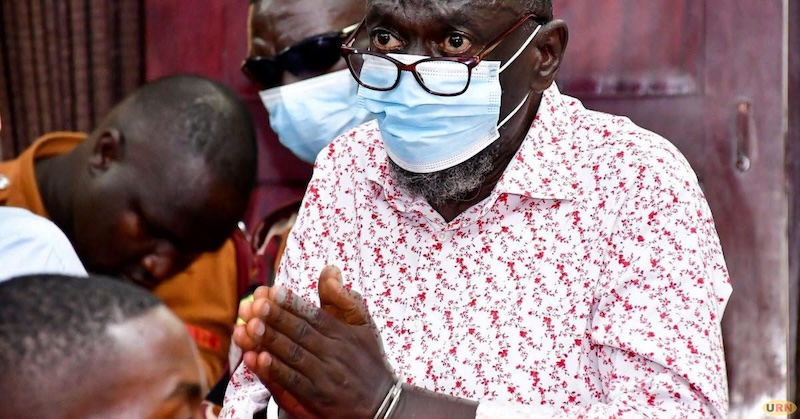
A group of 18 Ugandan lawyers has taken a bold step in the ongoing treason trial of Dr Kizza Besigye and his co-accused, Hajji Obeid Lutale and Capt Denis Oola. The lawyers have petitioned the Judiciary to allow live streaming of the proceedings, citing concerns that restrictions on public access undermine the constitutional principle of open justice.
The move is seen as a significant development in the trial, which has been shrouded in controversy from the start. Dr Besigye's supporters argue that his prosecution is politically motivated and an attempt to silence him. The live streaming request comes at a time when the Ugandan Judiciary is under scrutiny for its handling of high-profile cases.
The lawyers' petition highlights the tension between the need for public access to justice and the concerns about maintaining order in the courtroom.
Legal Context
The request for live streaming is not without precedent. In recent years, the Ugandan Judiciary has allowed live streaming of certain court proceedings, including high-profile cases. However, this development may set a new benchmark for public access to justice in Uganda.
Article 41(1) of the Constitution guarantees the right to access information, and the right to a fair hearing, which includes being present when one's case is being heard, is a fundamental constitutional right. Article 43(1) outlines general limitations on fundamental human rights and freedoms. The lawyers' petition argues that these constitutional provisions are being undermined by restrictions on public access to the proceedings.
The move also highlights the evolving role of technology in the administration of justice. Live streaming can provide greater transparency and accountability, but it also raises concerns about maintaining order and ensuring that all parties have a fair hearing.
Why It Matters
The outcome of this petition may set a precedent for future high-profile cases in Uganda. Lawyers should watch closely as the Judiciary weighs the request for live streaming, as it could have far-reaching implications for public access to justice.
This development also underscores the importance of technology in shaping the administration of justice. As courts around the world grapple with how to balance transparency and order, Uganda's experience may offer valuable insights.
Ultimately, the decision on live streaming will be a test of the Ugandan Judiciary's commitment to upholding constitutional principles and ensuring that justice is served in a transparent and accountable manner.
Practical Implications
Lawyers should watch for potential changes to court proceedings and public access rules, as this development may set a precedent for future high-profile cases.
Source
How does this affect you?
Get an AI analysis of this article grounded in your jurisdictions, practice areas, and any policy documents you've uploaded to Wansom.
Wansom is AI and can make mistakes.