
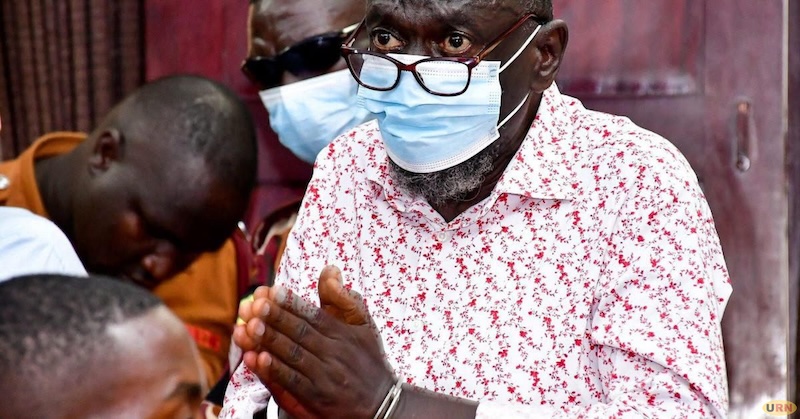
Uganda Court: Kizza Besigye Audio Evidence Transcribed by Makerere
Summary
- Makerere University received Shs 59.32 million for transcribing over 24 hours of audio recordings.
- The audio evidence is allegedly linked to meetings involving jailed opposition politician Dr. Kizza Besigye.
- Assistant Inspector of Police Benedict Odyek testified about the payment and the evidence in the High Court.
- The recordings were extracted from electronic devices that underwent forensic examination.
- This case highlights the substantial cost and reliance on external experts for forensic audio transcription in Uganda's legal system.
What Happened
The considerable sum of Shs 59.32 million paid to Makerere University for transcribing over 24 hours of Kizza Besigye audio evidence underscores the significant financial investment required for forensic services in Uganda's legal system.
In recent court proceedings, a police detective revealed details concerning the forensic analysis of audio evidence pertinent to the case involving prominent opposition politician Dr. Kizza Besigye. Assistant Inspector of Police Benedict Odyek, testifying before the High Court on Thursday, disclosed that Makerere University received a substantial payment for its role in transcribing extensive audio recordings. This testimony sheds light on the significant resources allocated to processing electronic evidence in high-profile legal matters within Uganda.
The payment to Makerere University amounted to Shs 59.32 million, specifically for the transcription of audio material. These recordings, which spanned more than 24 hours in total, are alleged to document various meetings connected to Dr. Besigye. The court heard that these crucial audio files were initially extracted from a range of electronic devices that had been submitted for comprehensive forensic examination, underscoring the technical nature of the evidence presented in the Uganda High Court Besigye case.
Legal Context
The testimony by Assistant Inspector of Police Odyek provides a glimpse into the intricate process of evidence handling in the Uganda High Court, particularly when electronic devices are involved. The forensic examination of these devices and the subsequent transcription of their contents are critical steps in building a case, especially one as politically charged as that of Dr. Kizza Besigye. Such procedures ensure that digital evidence, like the Besigye opposition politician recordings, is meticulously processed and presented.
The reliance on specialized institutions such as Makerere University for tasks like audio transcription highlights the technical demands placed on the Ugandan legal system. When electronic devices yield potential evidence, their contents often require expert analysis and interpretation to be admissible and comprehensible in court. This process underscores the importance of a robust chain of custody and the qualifications of experts involved in handling sensitive digital information.
Why It Matters
The considerable sum of Shs 59.32 million paid to Makerere University for transcribing over 24 hours of Kizza Besigye audio evidence underscores the significant financial investment required for forensic services in Uganda's legal system. This expenditure reflects the necessity of engaging external academic institutions to provide specialized expertise, particularly in areas like police audio transcription, which may not be readily available within law enforcement agencies. The cost associated with such detailed forensic work can be substantial, impacting the overall expense of prosecuting or defending complex cases, especially those involving high-profile opposition figures and intricate digital evidence.
Furthermore, the involvement of Makerere University in this capacity for the Uganda High Court Besigye case emphasizes the critical role that independent expert analysis plays in validating electronic evidence. The integrity and accuracy of the audio transcription are paramount, as these recordings could significantly influence the proceedings and the ultimate outcome of the trial. This situation highlights the broader implications for criminal defense and prosecution lawyers in Uganda, who must meticulously consider the cost, reliability, and expert qualifications when dealing with forensic evidence derived from electronic devices, ensuring its proper scrutiny and presentation in court.
Practical Implications
Lawyers involved in criminal defense or prosecution in Uganda should note the significant cost and reliance on external expert institutions like Makerere for forensic audio transcription, which can be crucial for evidence presentation in high-profile cases involving electronic devices. This highlights the importance of scrutinizing the chain of custody and expert qualifications for such evidence.
Source
How does this affect you?
Get an AI analysis of this article grounded in your jurisdictions, practice areas, and any policy documents you've uploaded to Wansom.
Finish Reading the Full Story and the Expert Analysis.
Get the latest legal & regulatory intelligence in Uganda
Wansom is AI and can make mistakes.