
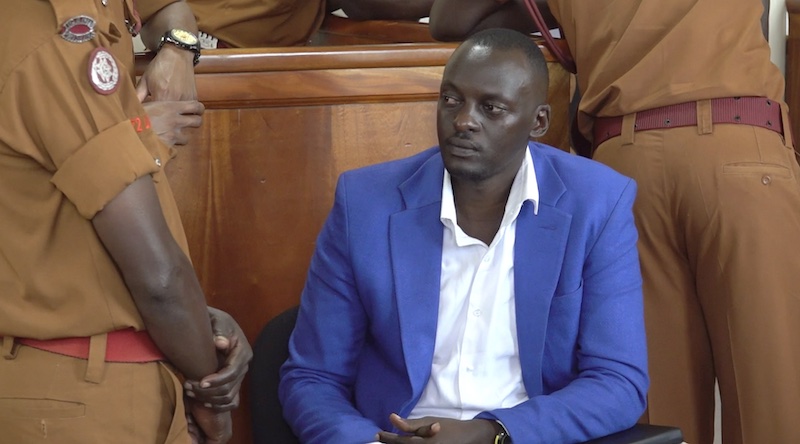
Uganda DPP: Seeks Eron Kiiza Contempt Over X Posts
Summary
- Uganda's Director of Public Prosecutions has petitioned the High Court.
- The DPP seeks to find lawyer Eron Kiiza guilty of contempt of court.
- The charge relates to Kiiza's social media posts concerning a prosecution witness.
- These posts are connected to the ongoing treason trial of Dr. Kizza Besigye and two others.
What Happened
This legal challenge against Eron Kiiza for alleged contempt of court over his X posts carries substantial implications for the legal fraternity in Uganda.
The Director of Public Prosecutions (DPP) in Uganda has initiated proceedings against prominent lawyer Eron Kiiza, seeking a High Court declaration that he is guilty of contempt of court. This significant move by the DPP stems from a series of social media posts made by Kiiza on the platform X, which allegedly pertained to a prosecution witness. The posts are linked to an ongoing high-profile treason trial that involves Dr. Kizza Besigye and two other co-accused individuals.
The formal application, lodged with the High Court, asserts that Mr. Kiiza's online activity constitutes an interference with the judicial process. The DPP's petition highlights concerns that the lawyer's public commentary on a witness could potentially prejudice the fair administration of justice in the sensitive treason proceedings. This action underscores the growing scrutiny of legal professionals' conduct on digital platforms, particularly when it intersects with active litigation.
Legal Context
The concept of contempt of court is a critical mechanism designed to uphold the integrity and authority of the judiciary, ensuring that legal proceedings are conducted without undue external influence or interference. In Uganda, as in many jurisdictions, actions or statements that undermine the court's dignity, obstruct justice, or prejudice a fair trial can be deemed contemptuous. The DPP's application against Eron Kiiza specifically targets his social media posts, raising questions about the boundaries of free expression for legal practitioners in the digital age.
Lawyers, by virtue of their profession, are held to a higher standard regarding public commentary on active cases. Ethical guidelines often caution against making statements that could sway public opinion, intimidate witnesses, or otherwise impede the judicial process. The use of platforms like X (formerly Twitter) introduces new complexities, as posts can rapidly disseminate and reach a wide audience, potentially amplifying their impact on ongoing trials. This particular case, involving a prosecution witness in the Besigye treason trial, brings into sharp focus the challenges of balancing a lawyer's right to speak with their professional obligations to the court. The DPP application High Court Uganda seeks to clarify these evolving standards.
Why It Matters
This legal challenge against Eron Kiiza for alleged contempt of court over his X posts carries substantial implications for the legal fraternity in Uganda. It serves as a stark reminder of the heightened risk for lawyers making public comments on social media about ongoing litigation, especially when those comments concern witnesses. The outcome of this DPP application could set a significant precedent regarding Uganda lawyer social media guidelines and the scope of professional conduct in the digital sphere.
The case highlights the delicate balance between a lawyer's right to freedom of expression and their duty to the court and the administration of justice. Legal professionals are now compelled to review their communication protocols to avoid potential contempt of court charges, particularly when discussing sensitive matters like witness testimony in high-profile cases such as the Besigye treason trial social media discussions. This incident underscores the evolving landscape of Uganda legal ethics social media engagement, urging practitioners to exercise extreme caution and discretion in their online interactions to prevent any perception of interference with judicial processes. The "Uganda DPP Eron Kiiza contempt X posts" situation is a pivotal moment for defining these boundaries.
Practical Implications
This case underscores the heightened risk for lawyers in Uganda making public comments on social media about ongoing litigation, especially concerning witnesses. Legal professionals should review their communication protocols to avoid potential contempt of court charges and understand the evolving boundaries of professional conduct in the digital sphere.
Source
How does this affect your business?
Get an AI analysis of this article grounded in your jurisdictions, practice areas, and any policy documents you've uploaded to Wansom.
Wansom is AI and can make mistakes.