
PI-SPI Mobile Money Senegal: New Fees Spark Operator Concerns Over 8,000 FCFA
Summary
- The Plateforme interopérable du système de paiement instantané (PI-SPI) has been launched in the UEMOA region and became mandatory on November 2, 2026.
- This platform aims to facilitate rapid transfers and enhance interoperability among digital payment operators.
- Concerns have emerged in Senegal regarding new fees applied to mobile money transactions exceeding 8,000 FCFA.
- Major mobile money providers like Wave and Orange Money Senegal are affected by these new fee structures and are adapting their models.
- The new réglementation mobile money Sénégal requires operators to reassess their business models and pricing strategies.
New Payment Platform Launched
Lawyers advising mobile money operators and fintechs in Senegal must analyze the new fee structure imposed by the PI-SPI, particularly for transactions over 8,000 FCFA, to ensure their clients' compliance and to assess the competitive impact on their business models and market strategies.
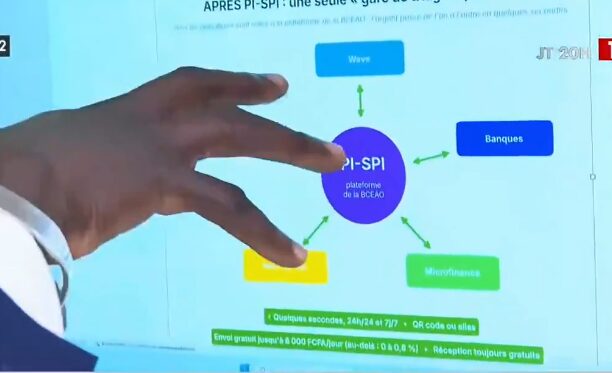
The UEMOA region has recently seen the operational launch of the Plateforme interopérable du système de paiement instantané (PI-SPI), marking a significant development for digital financial transactions. This new platform is designed to foster rapid transfers and enhance interoperability among various operators across the economic union, aiming to streamline the flow of digital money.
While the PI-SPI UEMOA initiative promises considerable advantages in terms of transaction speed and seamless integration, its introduction has simultaneously raised specific concerns within Senegal. These emerging issues primarily revolve around the new fee structures that are now applicable to certain transaction thresholds, particularly impacting the mobile money Senegal market.
Regulatory Impact on Mobile Money
The implementation of the PI-SPI introduces a new layer of regulatory oversight and operational standards for mobile money services. This framework is intended to create a more unified and efficient digital payment ecosystem, but its immediate effect in Senegal has been to prompt a re-evaluation of existing business models, especially concerning transaction costs. The new rules dictate specific fees for transactions that exceed 8,000 FCFA, a threshold that encompasses a significant portion of daily mobile money activity.
This adjustment to the fee structure under the new réglementation mobile money Sénégal is a critical point of analysis for all market participants. Lawyers advising mobile money operators and fintechs in Senegal must analyze the new fee structure imposed by the PI-SPI, particularly for transactions over 8,000 FCFA, to ensure their clients' compliance and to assess the competitive impact on their business models and market strategies. The changes necessitate a thorough understanding of how these charges will affect both consumer behavior and operator profitability.
Market Response in Senegal
The introduction of the new fee regime for paiement instantané Sénégal frais has directly impacted major players in the mobile money sector. Prominent operators such as Wave and Orange Money Senegal are among those grappling with the implications of these revised charges. These companies, which command a substantial share of the market, must now adapt their service offerings and pricing strategies to align with the PI-SPI's operational guidelines.
Beyond the established giants, smaller fintech companies operating in Senegal are also facing challenges due to these new regulations. The adjustments to transaction fees, particularly for amounts above 8,000 FCFA, could alter the competitive landscape and necessitate strategic shifts for these agile businesses. The overall market is now in a period of adaptation as all participants work to integrate the new PI-SPI mobile money Senegal framework into their operations.
Practical Implications
Lawyers advising mobile money operators and fintechs in Senegal must analyze the new fee structure imposed by the PI-SPI, particularly for transactions over 8,000 FCFA, to ensure their clients' compliance and to assess the competitive impact on their business models and market strategies.
Source
How does this affect you?
Get an AI analysis of this article grounded in your jurisdictions, practice areas, and any policy documents you've uploaded to Wansom.
Wansom is AI and can make mistakes.