
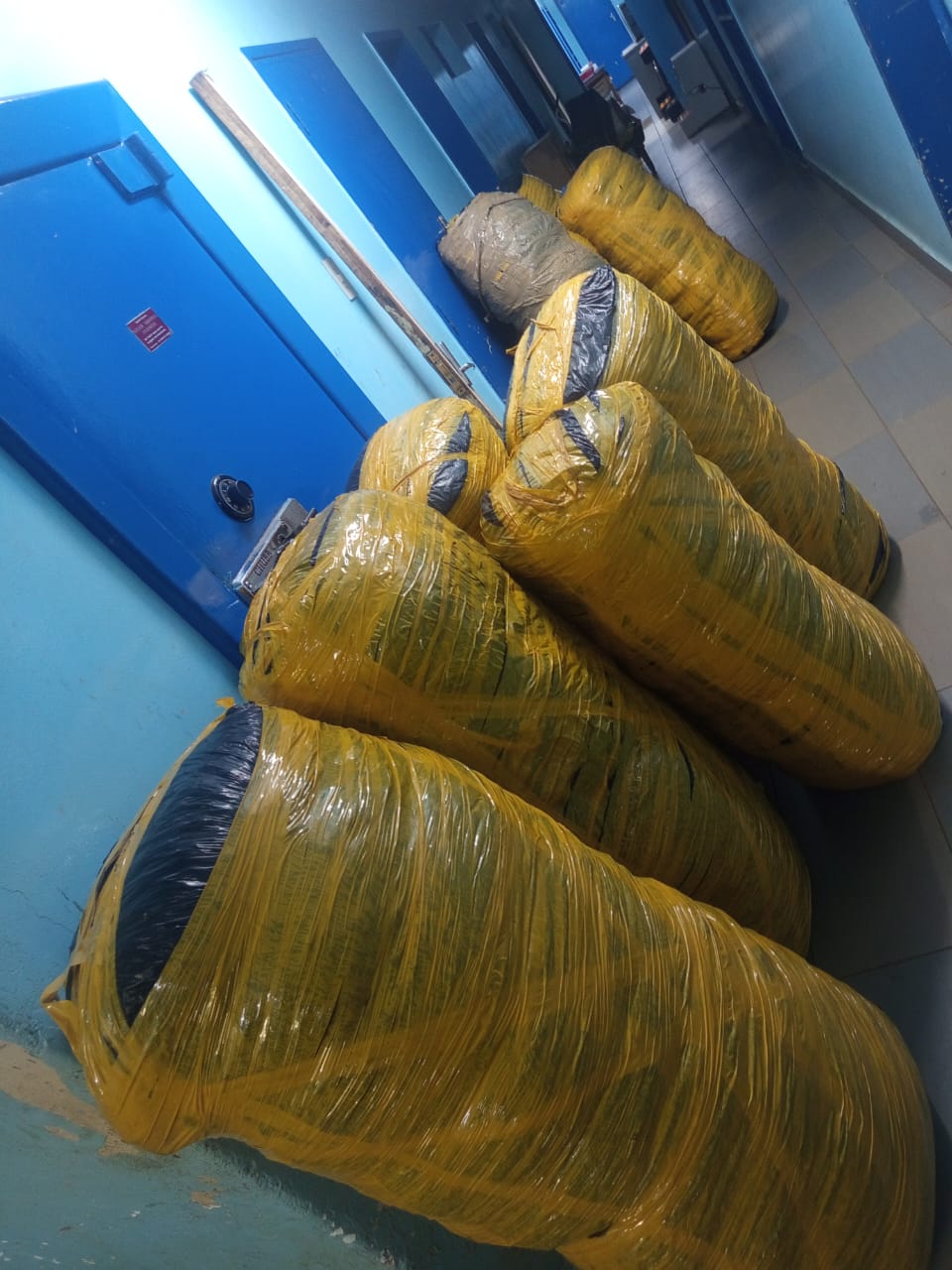
UEDF Seizes 430kg of Dagga Valued at E379K
The Umbutfo Eswatini Defence Force (UEDF) seized over 430 kilogrammes of dagga (cannabis) with an estimated street value of E378,965 in three separate incidents along Eswatini's border areas on October 26, 2026, with one suspect abandoning a vehicle and fleeing on foot.
This significant seizure highlights the ongoing and stringent enforcement of Eswatini's drug laws, particularly concerning cannabis trafficking across its borders. The substantial quantity and value of the dagga intercepted underscore the persistent challenges faced by law enforcement in combating illicit drug trade within the region. For legal practitioners, this event reinforces the severe legal consequences associated with drug-related offences in Eswatini, which remain largely prohibitive despite evolving global perspectives on cannabis. It also demonstrates the active role of the UEDF in national security and border control, often collaborating with other law enforcement agencies like the Royal Eswatini Police Service (REPS) in anti-narcotics operations.
The legal context for such seizures is primarily rooted in Eswatini's drug control legislation, notably the Opium and Habit-Forming Drugs Act of 1922 (as amended), which criminalises the cultivation, possession, and trafficking of cannabis. Penalties for contravening these laws are typically severe, including substantial fines and lengthy custodial sentences, depending on the quantity and nature of the offence. The UEDF's authority to conduct such operations stems from its mandate to protect national borders and enforce national laws, often operating under specific operational protocols that allow for search, seizure, and arrest. Cases involving drug trafficking are usually prosecuted in the Magistrates' Courts or the High Court, depending on the gravity of the charges. The key parties involved are the Umbutfo Eswatini Defence Force (UEDF) and the individuals implicated in the trafficking, one of whom fled the scene.
Attorneys and legal professionals in Eswatini must remain acutely aware of the strict drug laws and the robust enforcement efforts by security forces. Practitioners advising clients on criminal matters should be prepared for the serious implications of drug-related charges, particularly those involving large quantities of illicit substances. Businesses involved in logistics, transportation, or cross-border trade must implement stringent compliance measures to prevent their assets or services from being unwittingly used in drug trafficking operations, as complicity can lead to severe legal and financial repercussions. The outcome of any arrests or prosecutions related to these specific seizures is not yet reported.
How does this affect you?
Get an AI analysis of this article grounded in your jurisdictions, practice areas, and any policy documents you've uploaded to Wansom.
Finish Reading the Full Story and the Expert Analysis.
Wansom is AI and can make mistakes.