
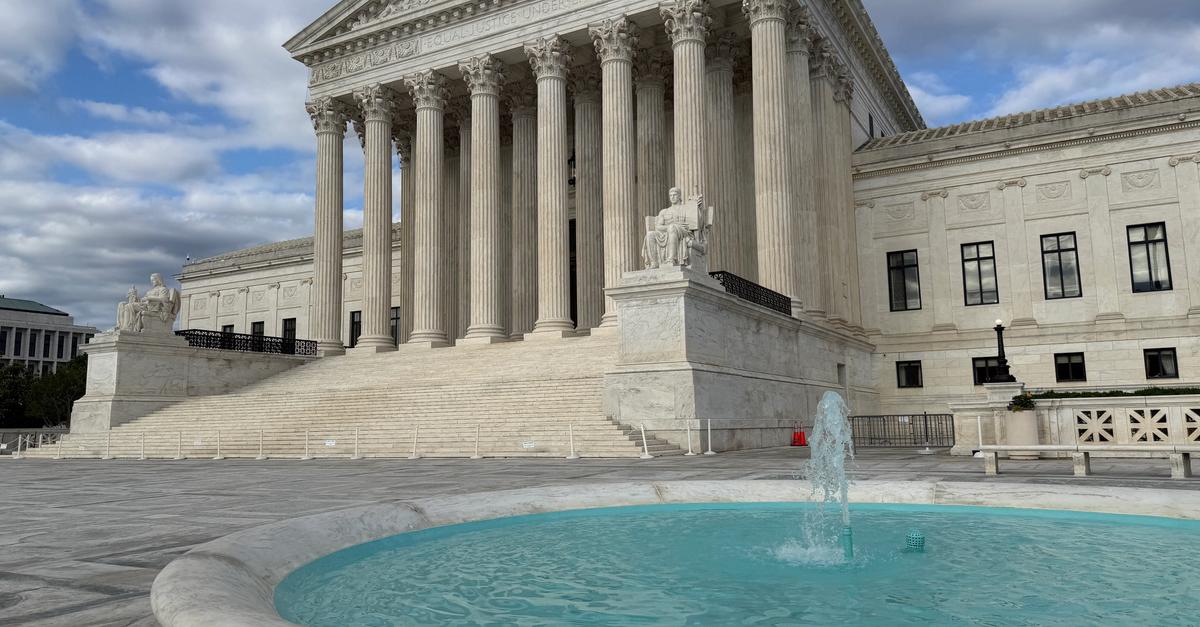
U.S. Supreme Court: Commentary on Holding Oral Arguments Outside Capital
This is the third piece in a series on what I believe the court can, and should, do better.***Over the years, the Supreme Court found its home in several places, following Congress from New York to Philadelphia, then to the Capitol building in Washington, D.C., before finally settling at One First Street N.E. There was a brief exception. The justices temporarily sat at the U.S. Court of Appeals for the D.C. Circuit during the anthrax scare of 2001. During the pandemic, the court started to live-stream the audio of oral arguments, but cameras are still prohibited. And the press is only allowed to take group photographs of the justices in the courtroom when a new member joins the court. These “class” photographs are limited to exactly two minutes – they are actually timed with a stopwatch. Most of the justices will assemble at a presidential inauguration, and fewer will attend the State of the Union address. But during these events, the justices (typically) remain silent. As Justice Samuel Alito explained, they have to sit quietly like “potted plants.”The only way to see all of the justices in action is by attending oral argument in Washington D.C. Seats are very hard to come by, even with the new lottery system. For high profile cases, people have to camp outside of the court for several days, often in inclement weather. Perhaps by design, the justices thus maintain an aura of mystique, and their important work remains largely unseen. (To be sure, when a justice has a book to
How does this affect you?
Get an AI analysis of this article grounded in your jurisdictions, practice areas, and any policy documents you've uploaded to Wansom.
Wansom is AI and can make mistakes.