
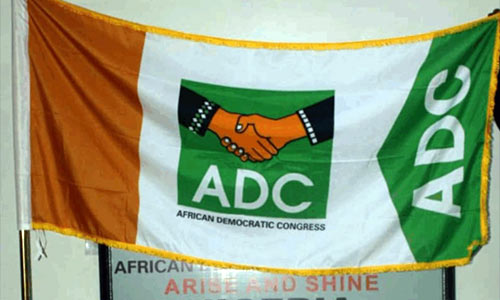
Federal High Court Abuja: Tukur Ribadu Candidacy Nullified for ADC Adamawa
Summary
- The Federal High Court in Abuja nullified Tukur Ribadu's governorship candidacy for the African Democratic Congress (ADC) in Adamawa State.
- Justice Obiora Egwuatu delivered the judgment on Friday.
- The court ordered the Independent National Electoral Commission (INEC) to recognize Omar Suleiman as the legitimate ADC governorship candidate.
- Omar Suleiman was to be recognized because he had won the party’s primary election.
- The ruling emphasizes judicial scrutiny over party primary elections and candidate selection processes.
Court Overturns ADC Candidacy
Lawyers advising political parties or candidates should note this ruling as it reinforces judicial scrutiny over party primary elections and candidate selection processes, emphasizing the need for strict adherence to electoral guidelines to prevent nullification and ensure a valid candidacy.
A recent judgment from the Federal High Court in Abuja has significantly altered the political landscape for the African Democratic Congress (ADC) in Adamawa State. The court, presided over by Justice Obiora Egwuatu, issued a ruling on Friday that effectively nullified the candidacy of Tukur Ribadu for the governorship position in Adamawa. This decision came after a review of the party's internal processes for selecting its gubernatorial flag-bearer.
The court's directive was clear: the Independent National Electoral Commission (INEC) is now mandated to recognize Omar Suleiman as the legitimate ADC governorship candidate for Adamawa. This order stems from the finding that Suleiman had, in fact, emerged victorious in the party's primary election, indicating that his replacement by Ribadu lacked a proper legal or procedural foundation. The Federal High Court Abuja election ruling underscores the judiciary's role in ensuring adherence to internal party democracy.
Upholding Primary Election Integrity
Justice Obiora Egwuatu's ruling reinforces the principle that political parties must respect the outcomes of their primary elections. The court found that there was no valid basis for the African Democratic Congress Adamawa to replace the candidate who had won its internal selection process. This judicial intervention highlights the importance of transparent and fair procedures within political organizations, particularly concerning the selection of candidates for public office.
The judgment serves as a critical precedent, emphasizing that the judiciary will scrutinize candidate selection processes to ensure compliance with both party constitutions and electoral laws. By ordering INEC to recognize Omar Suleiman as the rightful ADC governorship candidate, the court has affirmed the sanctity of the primary election results, thereby protecting the democratic rights of party members who participated in the selection process. This decision sends a strong message about the need for political parties to uphold internal democratic principles.
Implications for Political Parties
This significant ruling carries substantial implications for political parties across the nation, particularly regarding their internal governance and candidate nomination procedures. The nullification of Tukur Ribadu's candidacy and the subsequent order to recognize Omar Suleiman as the ADC governorship candidate for Adamawa State underscore the potential legal repercussions for parties that deviate from established electoral guidelines or their own internal rules. It reinforces the notion that winning a primary election confers a legitimate claim to candidacy that cannot be arbitrarily overturned.
Lawyers advising political parties or candidates should note this ruling as it reinforces judicial scrutiny over party primary elections and candidate selection processes, emphasizing the need for strict adherence to electoral guidelines to prevent nullification and ensure a valid candidacy. The Federal High Court Abuja election decision acts as a powerful reminder that the courts are prepared to intervene to protect the integrity of the electoral process, from the initial party primaries all the way through to the general election. This case highlights the imperative for parties to conduct their affairs with utmost transparency and fidelity to democratic principles.
Practical Implications
Lawyers advising political parties or candidates should note this ruling as it reinforces judicial scrutiny over party primary elections and candidate selection processes, emphasizing the need for strict adherence to electoral guidelines to prevent nullification and ensure a valid candidacy.
Source
How does this affect you?
Get an AI analysis of this article grounded in your jurisdictions, practice areas, and any policy documents you've uploaded to Wansom.
Finish Reading the Full Story and the Expert Analysis.
Get the latest legal & regulatory intelligence in Nigeria
Wansom is AI and can make mistakes.