
TUC Ghana: Urges Openness in Constitutional Reform Discussions
Summary
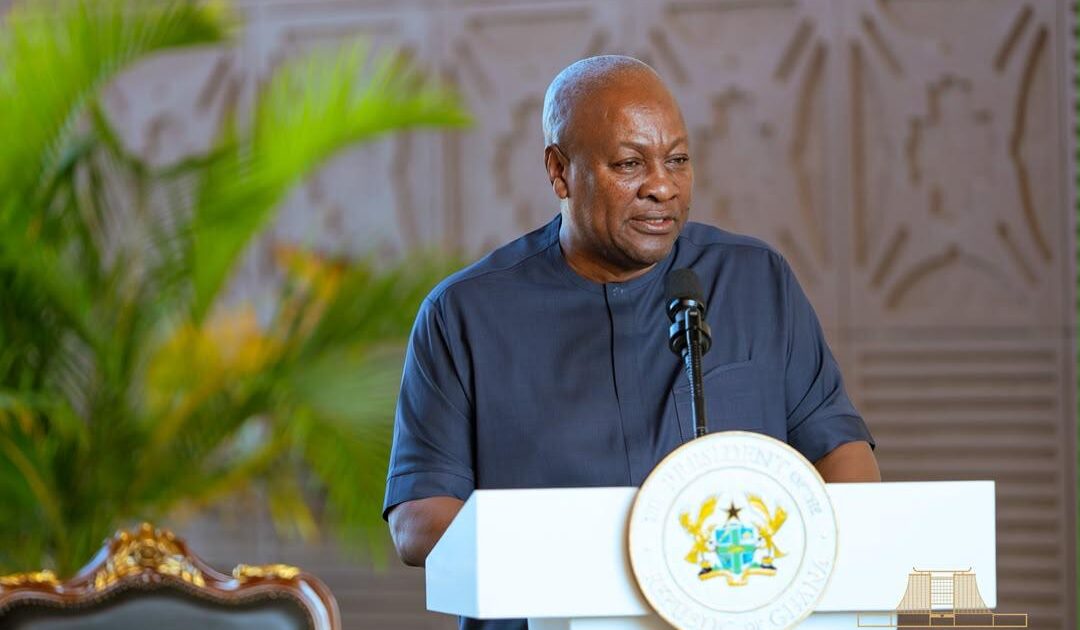
- The Trades Union Congress (TUC) has urged President John Mahama to maintain open discussions on proposed constitutional reforms.
- This call aims to ensure broader consultation and consensus-building throughout the reform process.
- Dr. Kwabena Nyarko Otoo, TUC Deputy Secretary-General, stated the union's intent to engage the President and the constitutional reform implementation committee.
- The TUC plans to present its views directly to these key stakeholders involved in the reform.
Call for Open Dialogue on Constitutional Reforms
The TUC's insistence on broader consultation is not just about democratic ideals but also about ensuring that diverse interests are considered before fundamental legal changes are enacted.
The Trades Union Congress (TUC) in Ghana has publicly called upon President John Mahama to ensure that ongoing discussions regarding proposed constitutional reforms remain open and inclusive. This appeal underscores the TUC's commitment to fostering a comprehensive process that prioritizes broad consultation and the establishment of widespread consensus among various stakeholders. The union believes that an open dialogue is fundamental to the legitimacy and long-term success of any significant changes to the nation's foundational legal document.
Dr. Kwabena Nyarko Otoo, who serves as the Deputy Secretary-General for the TUC, articulated the organization's position, emphasizing the importance of a participatory approach to such critical national matters. The TUC's stance highlights a desire to move beyond limited discussions, advocating for a framework where diverse perspectives can be heard and integrated into the reform process. This proactive engagement by the Trades Union Congress Ghana signals its intent to play a significant role in shaping the country's future legal landscape.
In line with its advocacy for greater inclusivity, the TUC has announced its intention to directly engage with key figures involved in the reform process. Specifically, the union plans to hold discussions with President Mahama himself, as well as with members of the constitutional reform implementation committee. The stated purpose of these engagements is to further present the TUC's perspectives and contributions, ensuring that their views are formally considered as part of the broader Ghana constitutional review process.
The Broader Context of Ghana's Constitutional Review
The TUC's recent intervention occurs within the wider framework of Ghana's ongoing efforts to review and potentially amend its constitution, a process that carries profound implications for the nation's governance and legal structure. Constitutional reform initiatives are inherently complex, often involving extensive public debate and expert analysis to ensure that any proposed changes genuinely reflect the aspirations of the populace and strengthen democratic institutions. The call for open discussions by the Trades Union Congress Ghana is therefore a critical element in maintaining transparency and public trust in this sensitive undertaking.
The constitutional reform implementation committee, which the TUC intends to engage, plays a pivotal role in translating reform proposals into actionable plans and recommendations. This committee is central to the "Ghana constitutional review process," tasked with navigating the intricate legal and political considerations inherent in amending the nation's supreme law. Its composition and operational transparency are vital for ensuring that the reform process is perceived as fair and representative, ultimately contributing to robust "Ghana constitutional law developments."
Ensuring broad consultation and consensus-building, as advocated by the TUC, is not merely a procedural formality but a cornerstone of legitimate constitutional change. Without widespread public buy-in, even well-intentioned reforms risk facing resistance and undermining the stability they aim to achieve. The TUC's push for open dialogue underscores the democratic principle that fundamental legal shifts should emerge from a collective understanding and agreement, rather than being imposed by a select few.
Why Broader Consultation is Crucial
The ongoing "TUC Ghana constitutional reform discussions" are significant because the outcome of any "John Mahama constitutional reform" could profoundly reshape the legal and regulatory environment across various sectors in Ghana. Changes to the constitution can impact everything from property rights and economic policies to human rights provisions and the structure of government, thereby affecting businesses, civil society organizations, and individual citizens alike. The TUC's insistence on broader consultation is not just about democratic ideals but also about ensuring that diverse interests are considered before fundamental legal changes are enacted.
For legal professionals and their clients, monitoring these constitutional reform discussions is paramount. The potential for significant "Ghana constitutional law developments" means that the legal landscape could shift, necessitating adjustments in corporate strategies, compliance frameworks, and advocacy efforts. The TUC's advocacy for inclusive engagement highlights an opportunity for various stakeholders, including legal practitioners representing different industries, to participate in and influence potential changes that could directly affect their operations and interests.
The emphasis on consensus-building by the Trades Union Congress Ghana reflects a recognition that constitutional amendments, to be enduring, must command broad societal support. A constitution that enjoys widespread legitimacy is more likely to be respected and upheld, contributing to long-term national stability and predictable legal frameworks. The TUC's proactive stance serves as a reminder that the process of constitutional reform is as critical as its substance, and that an inclusive approach is essential for achieving reforms that are both effective and widely accepted.
Practical Implications
Lawyers should monitor the ongoing constitutional reform discussions in Ghana, particularly the TUC's advocacy for broader consultation, as the outcome could significantly alter the legal and regulatory landscape impacting various sectors and client interests. This signals an opportunity for stakeholders to engage and influence potential changes.
Source
How does this affect you?
Get an AI analysis of this article grounded in your jurisdictions, practice areas, and any policy documents you've uploaded to Wansom.
Finish Reading the Full Story and the Expert Analysis.
Get the latest legal & regulatory intelligence in Ghana
Wansom is AI and can make mistakes.