
DR Congo President Tshisekedi Calls for Legal Framework Adaptation
Summary
- President Félix-Antoine Tshisekedi Tshilombo called on Parliament to adapt the DR Congo's legal framework to meet transitional justice requirements.
- The move aims to accelerate the implementation of transitional justice mechanisms and provide reparations to victims of past conflicts.
- Tshisekedi's call is significant, given the DR Congo's complex history of conflict and human rights violations.
- Lawyers advising clients on DR Congo-related matters should watch for potential changes to the country's legal framework and be prepared to advise on transitional justice requirements.
What Happened
The President specifically emphasized the need for legislative changes to facilitate the implementation of transitional justice mechanisms, which aim to provide reparations to victims of past conflicts.
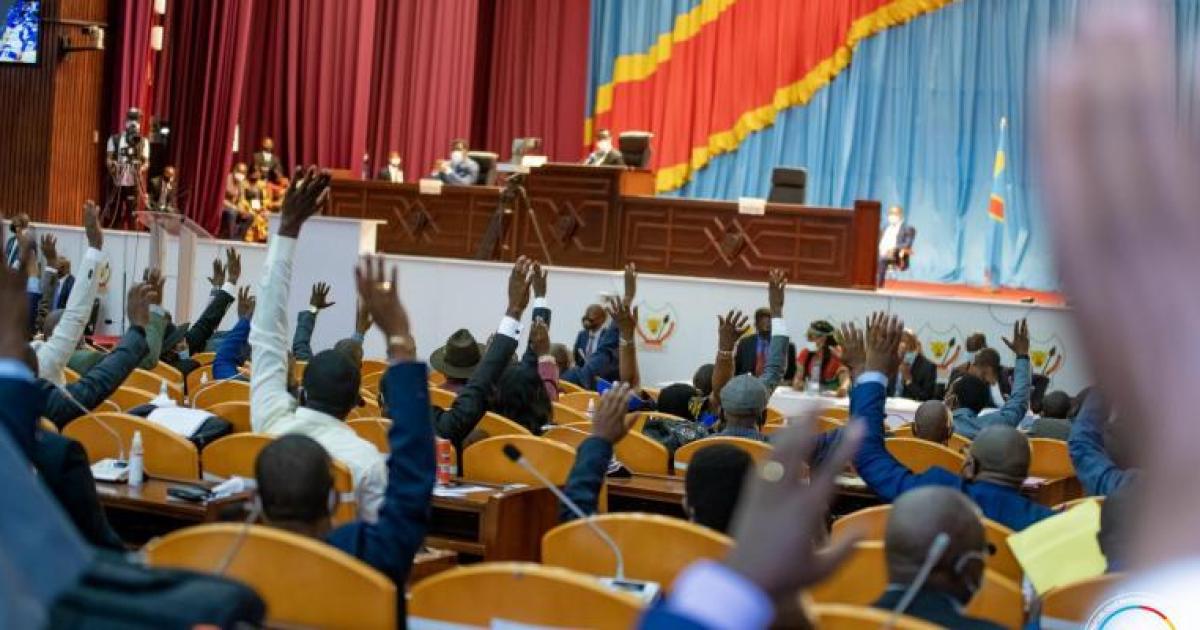
In a recent address, President Félix-Antoine Tshisekedi Tshilombo called on the Parliament of the Democratic Republic of Congo (DR Congo) to adapt the country's legal framework to meet the requirements of transitional justice. This move comes as part of ongoing efforts to address past human rights abuses and promote accountability in the country. The President specifically emphasized the need for legislative changes to facilitate the implementation of transitional justice mechanisms, which aim to provide reparations to victims of past conflicts.
Tshisekedi's appeal is significant, given the DR Congo's complex history of conflict and human rights violations. The country has been grappling with the legacy of these abuses, including the 1996-2003 war that led to widespread human rights atrocities. Transitional justice mechanisms have been established in recent years to address these issues, but their implementation has been slow due to various challenges.
The President's call for legislative changes is seen as a crucial step towards accelerating the implementation of transitional justice requirements. This move is expected to have far-reaching implications for lawyers advising clients on DR Congo-related matters, who will need to stay abreast of potential changes to the country's legal framework and advise their clients accordingly.
Legal Context
The concept of transitional justice has been gaining traction globally as countries seek to address past human rights abuses and promote accountability. In the DR Congo, transitional justice mechanisms have been established through various laws and agreements. For instance, a Truth and Reconciliation Commission operated from 2003 to 2007. More recently, the President signed the FONAREV law on the protection and reparation of victims in December 2022, and a draft national transitional justice policy is currently pending finalization.
However, the implementation of these mechanisms has been hindered by various challenges, including lack of resources and institutional capacity. The DR Congo's legal framework has also been criticized for being inadequate to address transitional justice requirements. Tshisekedi's call for legislative changes aims to address these gaps and facilitate the implementation of transitional justice mechanisms.
The adaptation of the country's legal framework will require close collaboration between the Parliament, government, and other stakeholders. This process is expected to be complex and time-consuming, but it holds significant potential for promoting accountability and providing reparations to victims of past conflicts.
Why It Matters
The adaptation of the DR Congo's legal framework to meet transitional justice requirements has far-reaching implications for the country and its people. By addressing past human rights abuses, the government can promote accountability, provide reparations to victims, and foster a culture of respect for human rights. This move is also expected to have significant economic benefits, as it will help to stabilize the country and attract foreign investment.
For lawyers advising clients on DR Congo-related matters, staying abreast of potential changes to the country's legal framework is crucial. They will need to advise their clients on the implications of transitional justice requirements and ensure that they comply with any new laws or regulations. This requires a deep understanding of the complex legal landscape in the DR Congo and the ability to navigate its nuances.
Practical Implications
Lawyers advising clients on DR Congo-related matters should watch for potential changes to the country's legal framework and be prepared to advise on the implications of transitional justice requirements.
Source
Source: Original reporting via GENOCOST
How does this affect you?
Get an AI analysis of this article grounded in your jurisdictions, practice areas, and any policy documents you've uploaded to Wansom.
Wansom is AI and can make mistakes.