
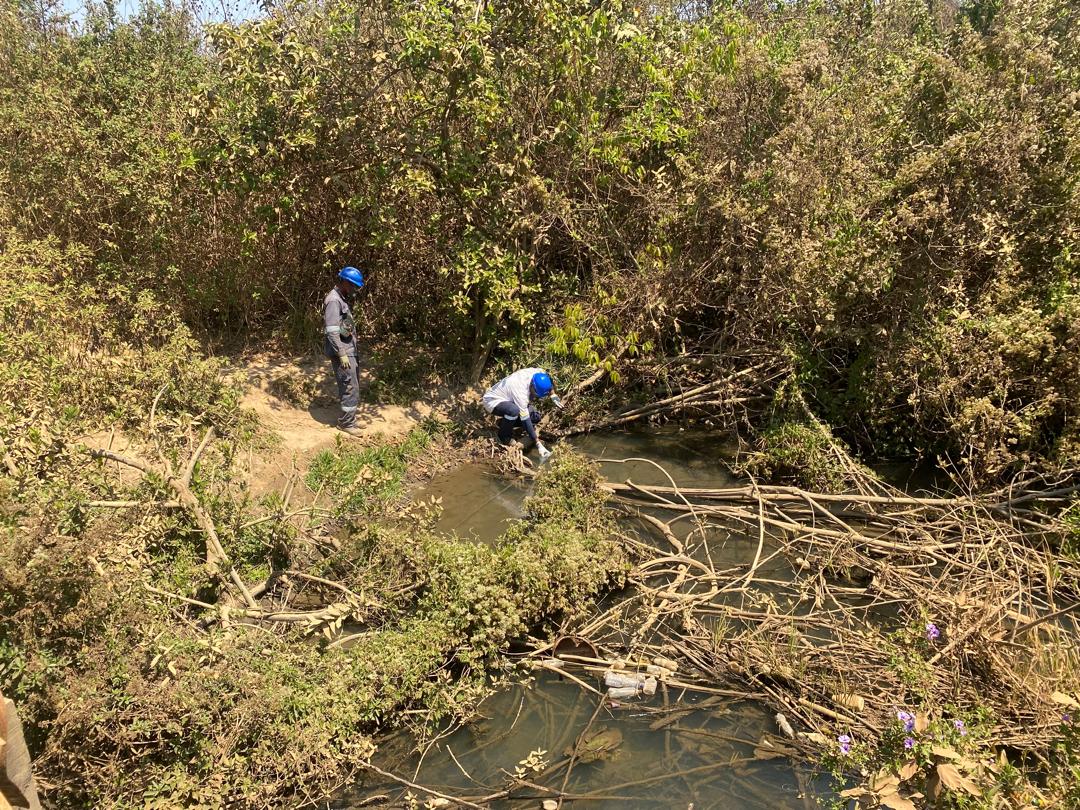
Tshela Civil Society: Ngomamba River Pollution Investigation Demanded
Summary
- A civil society group in Tshela, Kongo-Central, has accused a local palm oil processing plant, Cap Congo, of polluting the Ngomamba river through industrial waste and foul odors.
- The group, led by Julien Makaya, is demanding an urgent independent investigation after local authorities reportedly remained silent despite repeated alerts.
- Tshela territorial administrator Hugo Mavungu confirmed that a local security committee identified artisanal gold mining and Cap Congo's wastewater discharges as primary pollution sources.
- Authorities have since prohibited artisanal mining and instructed Cap Congo to implement a wastewater treatment system, leading to reported improvements.
- Investigations are ongoing to precisely determine the origin of the Ngomamba river pollution, highlighting continued official scrutiny.
Allegations of Environmental Harm
This incident in Tshela serves as a crucial reminder for companies operating within the Democratic Republic of Congo, particularly those engaged in industrial processing such as palm oil production.
A civil society organization in Tshela, located in the Kongo-Central province of the Democratic Republic of Congo, has publicly denounced what it describes as presumed pollution of the Ngomamba river. The Cadre de concertation de la société civile de Tshela points to a local company, later identified as a palm oil processing plant, as the source of this environmental degradation. Their complaint details specific manifestations of pollution, including persistent fumes, the daily incineration of industrial waste, and regular foul odors emanating from the facility, all contributing to significant Cap Congo environmental pollution. This Tshela Ngomamba river pollution investigation has been initiated by the civil society's persistent advocacy.
The organization, through its president Julien Makaya, has voiced profound health and environmental concerns stemming from the alleged contamination. Despite having issued multiple alerts over recent months, the civil society group laments the lack of response from local authorities. Consequently, they are urgently demanding an independent investigation into the matter, advocating for the involvement of environmental experts. Furthermore, the group has sought to engage with representatives from Cap Congo to discuss the company's specifications and the implementation of a social clause, which they assert is currently non-existent. However, these attempts at dialogue have reportedly been met with a consistent refusal from the company.
Official Response and Identified Sources
In response to inquiries regarding the environmental concerns, Hugo Mavungu, the administrator of the Tshela territory, confirmed that the issue has been addressed at an official level. Speaking to Radio Okapi, Mavungu disclosed that a meeting of the local security committee had been convened, during which several potential causes for the Ngomamba river's pollution were identified. This official acknowledgment underscores the complexity of environmental challenges in the region, extending beyond a single industrial source and highlighting broader issues of Kongo-Central industrial waste management.
The committee's findings pinpointed two primary contributors to the river's contamination. Firstly, artisanal gold mining activities conducted upstream, particularly within the Mbanga sector, were identified as a significant factor in the Ngomamba river artisanal mining pollution. Secondly, wastewater discharges originating from the Cap Congo enterprise were also cited as a major source. This dual identification suggests a multifaceted problem requiring comprehensive intervention from authorities to address both industrial and informal sector impacts on the local ecosystem.
Regulatory Actions and Ongoing Scrutiny
Following the identification of these pollution sources, the territorial authorities have implemented specific measures aimed at mitigating the environmental impact. The administrator, Hugo Mavungu, reported that artisanal mining in the affected upstream areas has since been prohibited, directly addressing one of the identified contributors to the Ngomamba river's degradation. Concurrently, the Cap Congo company was formally instructed to establish and implement a wastewater treatment system, a critical step in managing its industrial effluent and addressing potential DRC environmental liability.
According to Mavungu, these interventions have already yielded positive results, leading to an improvement in the overall situation of the river. Despite this reported progress, the authorities emphasize that investigations remain ongoing. The objective is to precisely determine the exact origin and extent of the pollution, ensuring a thorough understanding of the environmental challenges. This continued scrutiny highlights the government's commitment to addressing environmental concerns and holding entities accountable for their impact.
Broader Implications for Industry
This incident in Tshela serves as a crucial reminder for companies operating within the Democratic Republic of Congo, particularly those engaged in industrial processing such as palm oil production. The allegations and subsequent official investigation underscore the imperative for robust environmental compliance and proactive waste management protocols. Companies must prioritize comprehensive environmental impact assessments and integrate strong social responsibility clauses into their operational frameworks to mitigate the risks of pollution allegations and civil society-led investigations.
The case highlights the significant potential for regulatory scrutiny and reputational damage that can arise from environmental non-compliance. The civil society's difficulty in engaging with Cap Congo regarding social clauses further emphasizes the need for transparency and open dialogue between industrial operators and local communities. Proactive measures to ensure environmental stewardship and community engagement are not merely regulatory requirements but essential components of sustainable business practices in the DRC, helping to prevent future instances of Cap Congo environmental pollution and ensuring long-term operational viability.
Practical Implications
Companies operating in the DRC, particularly those in industrial processing like palm oil, should review their environmental compliance and waste management protocols to mitigate risks of pollution allegations and civil society-led investigations. This case highlights potential regulatory scrutiny, reputational damage, and the need for robust environmental impact assessments and social responsibility clauses in their operations.
Source
How does this affect you?
Get an AI analysis of this article grounded in your jurisdictions, practice areas, and any policy documents you've uploaded to Wansom.
Finish Reading the Full Story and the Expert Analysis.
Wansom is AI and can make mistakes.