
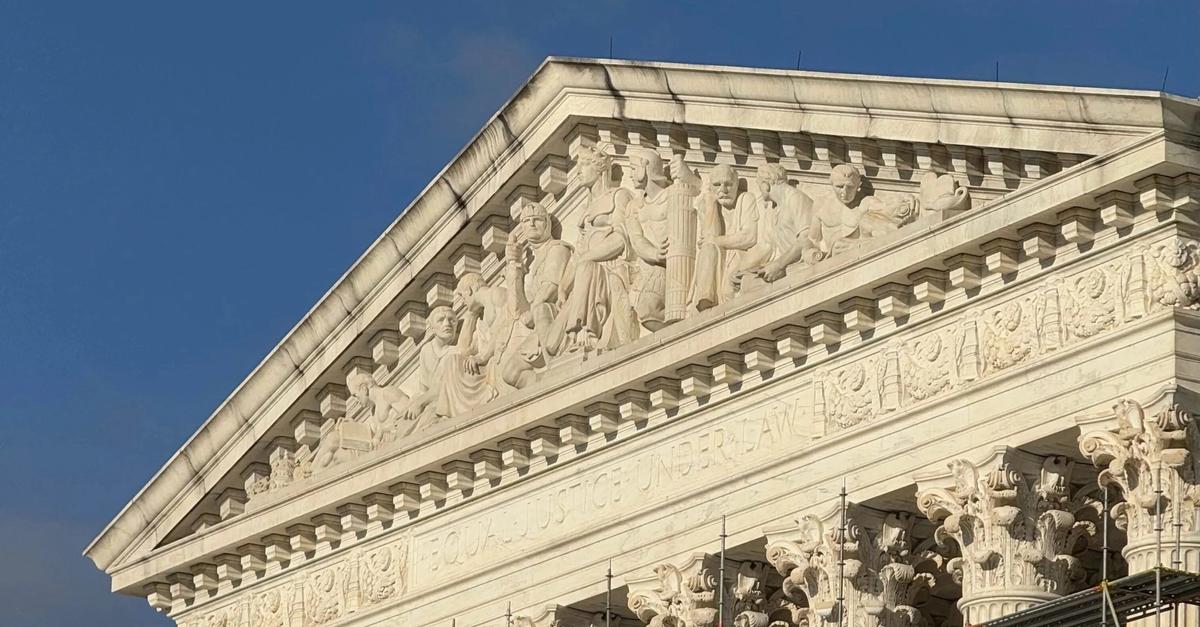
Trump: SCOTUS Petitioned in Hillary Clinton Collusion Lawsuit Appeal
Summary
- President Donald Trump has asked the Supreme Court to revive his dismissed lawsuit against Hillary Clinton and others.
- The lawsuit concerns statements made by Clinton and co-defendants regarding alleged "Russian collusion."
- Trump's petition seeks to overturn lower court dismissals of the case, which had found it lacked merit.
- The Supreme Court's decision on this appeal could impact the finality of judgments in high-profile political litigation.
President Trump Seeks Supreme Court Review of Dismissed Clinton Lawsuit
Lawyers should monitor this case for insights into the Supreme Court's willingness to entertain appeals of previously dismissed high-profile political litigation, which could set precedents for the finality of judgments and the scope of appellate review in politically charged disputes.
President Donald Trump has formally petitioned the Supreme Court to reinstate a lawsuit he previously filed against Hillary Clinton and several other individuals. The legal action, which had been dismissed by lower courts, centers on statements made by the defendants concerning alleged "Russian collusion." This move represents a significant effort by Trump to revive litigation that has already been adjudicated against him at lower judicial levels, seeking a fresh review from the nation's highest court.
The petition was filed on Friday, October 9, 2026, signaling Trump's continued pursuit of legal recourse regarding the "Russian collusion" narrative. This development places the Trump SCOTUS Hillary Clinton lawsuit appeal squarely before the justices. The request asks the nation's highest court to allow the case to proceed, challenging the earlier judicial decisions that found the lawsuit lacked merit and effectively ended the proceedings in lower tribunals. The outcome of this petition will determine if the long-running dispute gets another day in court.
Legal Context of the Collusion Claims
The underlying legal dispute, often referred to as the Trump Russian collusion lawsuit Supreme Court is now considering, originated from allegations made by Trump against Clinton and others. These allegations claimed a conspiracy to spread false information about his campaign's ties to Russia, asserting that the defendants engaged in a coordinated effort to damage his political standing. The lawsuit, essentially a Hillary Clinton defamation lawsuit Trump initiated, sought to hold the defendants accountable for their public statements and actions related to the "Russian collusion" narrative that dominated political discourse for several years.
Despite President Trump's persistent claims and a robust Trump litigation strategy, the lawsuit encountered significant hurdles in lower courts, ultimately leading to its dismissal. The current Supreme Court petition Trump Clinton has filed aims to reverse these dismissals, arguing that the case deserves further judicial review and that the lower courts erred in their judgments. This legal maneuver underscores a broader pattern of challenging narratives and actions he deems politically motivated or defamatory, now brought to the highest judicial body.
Broader Implications for Appellate Review
The Supreme Court's decision on whether to hear the Trump SCOTUS Hillary Clinton lawsuit appeal carries substantial implications beyond the immediate parties involved. Should the Court agree to review the case, it would signal a willingness to re-examine previously dismissed high-profile political litigation, potentially setting new precedents for the finality of judgments in such contentious matters. This particular Trump dismissed lawsuit revival SCOTUS effort will be closely watched by legal scholars and practitioners alike, as it touches upon the boundaries of political speech and judicial intervention.
Lawyers should monitor this case for insights into the Supreme Court's willingness to entertain appeals of previously dismissed high-profile political litigation, which could set precedents for the finality of judgments and the scope of appellate review in politically charged disputes. The Court's action, or inaction, on this petition will offer valuable guidance on the threshold for reviving politically charged cases that have already been through the lower court system. It will also illuminate the Court's approach to disputes arising from intense political campaigns and their aftermath, particularly concerning claims of defamation or conspiracy.
Practical Implications
Lawyers should monitor this case for insights into the Supreme Court's willingness to entertain appeals of previously dismissed high-profile political litigation, which could set precedents for the finality of judgments and the scope of appellate review in politically charged disputes.
Source
How does this affect you?
Get an AI analysis of this article grounded in your jurisdictions, practice areas, and any policy documents you've uploaded to Wansom.
Finish Reading the Full Story and the Expert Analysis.
Get the latest legal & regulatory intelligence in United States
Wansom is AI and can make mistakes.