
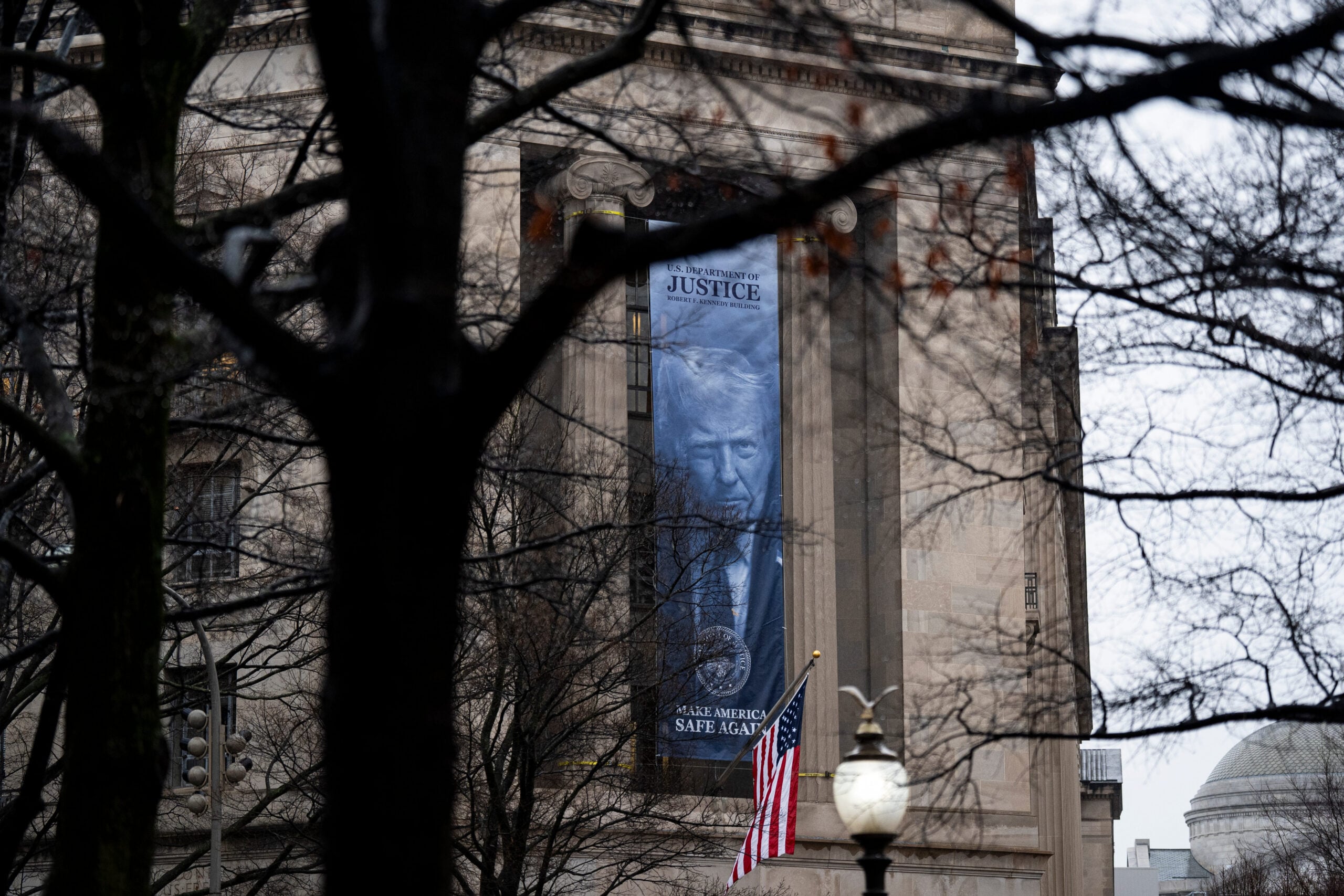
Trump DOJ: Pam Bondi's Policies on Court Orders Faced Judicial Scrutiny
Summary
- Then-Attorney General Pam Bondi reportedly made declining to sign a brief a fireable offense and sought to control bar discipline for DOJ attorneys.
- The Office of Immigration Litigation experienced a significant loss of at least 100 attorneys from its initial staff of over 300 during the Trump administration.
- Erez Reuveni, an acting deputy director, was fired within a week after informing a judge that a removal was improper and expressing frustration over a lack of answers.
- Bondi justified Reuveni's termination by stating that all DOJ attorneys are required to zealously advocate for the government.
- Reuveni's whistleblower complaint alleged that then-Principal Associate Deputy Attorney General Emil Bove suggested ignoring court orders that interfered with deportation flights.
Internal Pressures and Departures at the Department of Justice
This environment reportedly included suggestions from leadership, such as then-Principal Associate Deputy Attorney General Emil Bove, to disregard judicial directives that might impede deportation flights, an allegation made by Reuveni in a subsequent whistleblower complaint.
The Department of Justice experienced significant internal turmoil during the Trump administration, marked by a challenging environment for its legal professionals. On her initial day in office, then-Attorney General Pam Bondi reportedly established a policy where declining to sign a brief could lead to termination. This directive set a tone for heightened expectations regarding attorney conduct and loyalty within the department.
Further illustrating this shift in approach, Bondi later sought to directly control bar discipline for attorneys, rather than addressing the underlying issues that led to requests for lawyers to engage in potentially disciplinable actions. This move suggested a desire for greater oversight and control over the professional conduct of DOJ attorneys. Concurrently, the Office of Immigration Litigation (OIL), which began the Trump administration with over 300 attorneys, saw a substantial exodus, with at least 100 lawyers departing from its ranks. This significant attrition rate within a critical division underscored the internal pressures faced by the department.
Beyond the internal challenges, the department's operational changes also drew external scrutiny. The DOJ resorted to recruiting prosecutors via Twitter, an unconventional method for a federal agency of its stature. Moreover, judges across the nation increasingly questioned the 'presumption of regularity' traditionally afforded to government actions, indicating a growing skepticism towards the department's processes and legal positions. This period reflected a broader erosion of established norms and a heightened focus on political alignment within the federal legal apparatus.
Disregard for Court Orders and Whistleblower Allegations
A specific incident in April 2025 highlighted the intense pressures faced by DOJ attorneys concerning adherence to court orders. Erez Reuveni, then acting deputy director of the Office of Immigration Litigation, informed U.S. District Judge Paula Xinis that Kilmar Abrego Garcia's removal had been improper. During this exchange, Reuveni also openly expressed his frustration to the judge, stating, "I am also frustrated that I also have no answers for you on a lot of these questions," indicating a lack of transparency or information from within the department.
Following this candid admission, Reuveni was placed on leave the very next day and subsequently fired within the week. Attorney General Pam Bondi justified this swift termination by asserting that every Department of Justice attorney is obligated to zealously advocate for the government's position. This explanation underscored the administration's expectation of unwavering advocacy, even when it might conflict with an attorney's professional assessment of a case or judicial findings.
This environment reportedly included suggestions from leadership, such as then-Principal Associate Deputy Attorney General Emil Bove, to disregard judicial directives that might impede deportation flights, an allegation made by Reuveni in a subsequent whistleblower complaint. Reuveni's complaint detailed Bove's alleged suggestion to tell courts "fuck you" and ignore any order that stood in the way of deportation flights. Such allegations of **Emil Bove court order disregard** raise serious questions about the ethical boundaries and professional independence expected of government lawyers, particularly in the context of **Trump DOJ immigration litigation**.
The Erosion of Professional Norms and Accountability
The events surrounding **Erez Reuveni DOJ firing** and the broader context of **Office of Immigration Litigation resignations** serve as a stark illustration of the ethical challenges and potential political pressures within agencies like the Department of Justice. The alleged directive to make declining to sign a brief a fireable offense, coupled with the attempt to control bar discipline, created an atmosphere where professional independence could be compromised. This situation underscores the critical importance for government lawyers and compliance officers to understand whistleblower protections and maintain their professional integrity when faced with directives that may conflict with their legal duties or ethical obligations.
The high turnover within the Office of Immigration Litigation, losing over 100 attorneys from a staff of more than 300, suggests a significant strain on the department's ability to maintain continuity and expertise in critical legal areas. This attrition, combined with the judicial skepticism regarding the 'presumption of regularity,' indicates a period where the traditional functioning and perceived impartiality of the DOJ were under considerable stress. The allegations of leadership suggesting outright defiance of court orders further highlight the profound challenges to accountability and the rule of law within the **Trump DOJ Pam Bondi court orders** era.
Practical Implications
This article serves as a cautionary tale for government lawyers and compliance officers regarding the ethical challenges and potential political pressures within agencies like the DOJ, particularly concerning adherence to court orders. It underscores the importance of understanding whistleblower protections and maintaining professional independence when faced with directives that may conflict with legal duties.
Source
How does this affect you?
Get an AI analysis of this article grounded in your jurisdictions, practice areas, and any policy documents you've uploaded to Wansom.
Finish Reading the Full Story and the Expert Analysis.
Get the latest legal & regulatory intelligence in United States
Wansom is AI and can make mistakes.