
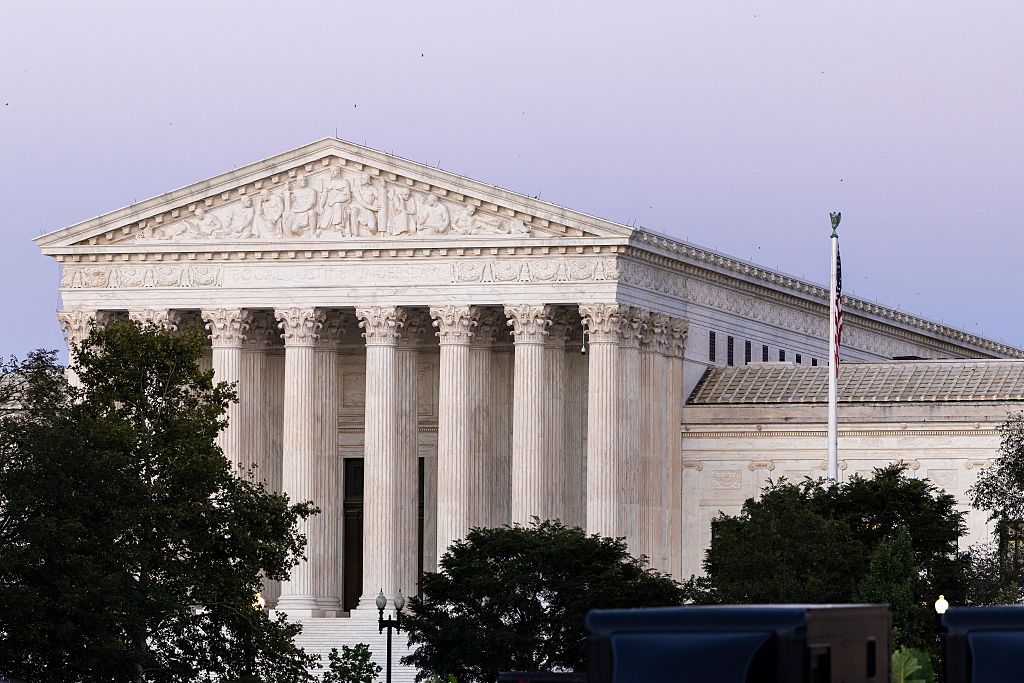
Trump Administration: SCOTUS Asked to Block Venezuelan TPS
Summary
- The Trump administration has asked the Supreme Court to block a lower court ruling that maintains Temporary Protected Status for Venezuelans.
- U.S. Solicitor General D. John Sauer warned of "severe and immediate harm" if the Supreme Court does not intervene against Judge Edward Chen's order.
- Venezuela was initially designated for TPS by then-DHS Secretary Alejandro Mayorkas in 2021 and extended through October 2026 due to a severe humanitarian crisis.
- Mayorkas's successor, Kristi Noem, attempted to end the designation, but her decisions were overturned by Judge Chen and upheld by the 9th Circuit.
- The Supreme Court previously paused Judge Chen's order in 2025, allowing for potential deportations of Venezuelan TPS beneficiaries while the case proceeded.
Supreme Court Considers Venezuelan TPS Block
The decision on whether to block the lower court ruling will directly impact the continued protected status and potential deportation risks for Venezuelan national clients, requiring proactive advice on immigration strategies and contingency planning.
The U.S. Supreme Court is currently reviewing an urgent request from the Trump administration, seeking to halt a lower court's decision that has maintained Temporary Protected Status (TPS) for Venezuelan nationals. This significant legal development, which reached the high court on Wednesday afternoon, marks a critical juncture in the ongoing dispute surrounding this vital immigration program. The administration's appeal specifically aims to prevent a September 2025 ruling by a federal judge in San Francisco from taking full effect, a ruling that has preserved the protected status for thousands of individuals who cannot safely return to their home country.
U.S. Solicitor General D. John Sauer presented the administration's arguments to the justices, emphasizing the immediate necessity of their intervention. Sauer warned the court that without a prompt Supreme Court action, the order issued by U.S. District Judge Edward Chen would become active, leading to what he described as "severe and immediate harm" to the government's interests. This latest legal maneuver by the Trump administration aims to block Venezuelan TPS, potentially altering the immigration landscape for a substantial population.
The Genesis of Venezuelan TPS
The Temporary Protected Status program is fundamentally designed to allow foreign nationals to reside and work within the United States when conditions in their home countries, such as armed conflict or natural disaster, make a safe return impossible. Venezuela was initially designated for this program in 2021 by then-DHS Secretary Alejandro Mayorkas, a decision he reiterated with a second designation in 2023. These actions provided a crucial lifeline for many Venezuelans facing dire and unstable circumstances in their homeland.
In 2025, Secretary Mayorkas further extended Venezuela's TPS designation, setting its expiration for October 2026, thereby offering continued relief. The primary rationale behind these initial designations and subsequent extensions was a "severe humanitarian emergency" stemming from the profound "political and economic crisis" gripping Venezuela, which rendered the country unsafe for its citizens to return and rebuild their lives.
Legal Battles and Appellate Affirmation
The continuity of Venezuela's TPS designation faced a significant challenge when Mayorkas's successor, Kristi Noem, announced her intention to terminate the country's protected status and subsequently revoke its extension. These decisions prompted a robust legal response from a coalition representing TPS beneficiaries, who initiated a lawsuit in a federal court in San Francisco to contest Noem's actions and protect their status.
In a pivotal ruling, U.S. District Judge Edward Chen sided with the TPS holders, effectively nullifying Noem's decisions and reinstating the protections. This judicial victory was subsequently upheld by the U.S. Court of Appeals for the 9th Circuit, which affirmed the lower court's stance on the matter, reinforcing the legal basis for continued TPS for Venezuelans. The legal process, however, has been protracted, with the Supreme Court having previously intervened in this complex case.
Supreme Court's Ongoing Role
During the progression of this litigation in 2025, the Supreme Court had already issued a temporary pause on Judge Chen's order specifically concerning Venezuela. This earlier intervention by the Supreme Court effectively cleared the path for the Trump administration to proceed with the deportation of Venezuelan TPS beneficiaries, even as the underlying legal challenge continued to unfold in the lower courts. This historical context underscores the high court's prior involvement in this specific issue.
The current request for the Supreme Court to block Venezuelan TPS is a direct continuation of this complex legal saga, with potentially far-reaching consequences. The outcome will have profound implications for thousands of individuals who have relied on this protection for their safety and ability to work in the U.S. The decision on whether to block the lower court ruling will directly impact the continued protected status and potential deportation risks for Venezuelan national clients, requiring proactive advice on immigration strategies and contingency planning.
Practical Implications
Immigration lawyers must closely monitor the Supreme Court's decision on the Trump administration's request to block the lower court ruling on Venezuelan TPS. This outcome will directly determine the continued protected status and potential deportation risks for Venezuelan national clients, requiring proactive advice on immigration strategies and contingency planning.
Source
How does this affect you?
Get an AI analysis of this article grounded in your jurisdictions, practice areas, and any policy documents you've uploaded to Wansom.
Finish Reading the Full Story and the Expert Analysis.
Get the latest legal & regulatory intelligence in United States
Wansom is AI and can make mistakes.