
MVM: $48.75 Million Child Separation Class Action Settlement Approved
Summary
- Private security firm MVM has agreed to pay $48.75 million to settle a class action lawsuit alleging its role in separating children from families at the U.S.-Mexico border.
- The lawsuit accused MVM, an ICE contractor, of aiding and abetting "torture, enforced disappearance, and cruel, inhuman, and degrading treatment."
- U.S. District Judge Dana Sabraw granted preliminary approval to the settlement, noting it avoids further litigation without admitting liability from MVM.
- Judge Sabraw previously denied MVM's motion to dismiss, finding the alleged actions fit international definitions of arrest, detention, abduction, and concealment.
- The case stems from the Trump administration's "zero tolerance policy," which plaintiffs claim separated over 4,500 children between 2017 and 2021.
The Settlement and Allegations
The legal proceedings against MVM underscore the potential liabilities faced by private contractors operating within sensitive government immigration policies, particularly those impacting vulnerable populations.
A private security firm, MVM, has agreed to a $48.75 million settlement in a class action lawsuit, addressing accusations that it played a direct role in the physical separation and transportation of children from their families at the U.S.-Mexico border. The company, which held a federal contract to transport children detained by Immigration and Customs Enforcement (ICE), was named in a complaint filed by two unnamed plaintiffs, a father and son, in 2024.
The lawsuit specifically alleged that MVM aided and abetted acts constituting "torture, enforced disappearance, and cruel, inhuman, and degrading treatment." Despite the significant settlement, MVM maintains its denial of all allegations of wrongdoing, liability, causation, injury, damages, and any entitlement to relief, as stipulated in the agreement. U.S. District Judge Dana Sabraw, in granting preliminary approval to the settlement, emphasized that this resolution represents a compromise designed to circumvent the burdens and uncertainties of continued litigation, rather than an admission of fault by either party.
Legal Scrutiny and Contractor Liability
The legal proceedings against MVM underscore the potential liabilities faced by private contractors operating within sensitive government immigration policies, particularly those impacting vulnerable populations. Plaintiffs in the class action asserted that MVM held the exclusive contract with ICE for transporting unaccompanied minors from Department of Homeland Security custody to the Office of Refugee Resettlement in New York. They further claimed that MVM was aware as early as 2017 that its role would involve "carrying out a plan to terrorize migrants by abducting children," citing documented instances where MVM employees physically separated children from their parents.
Last year, Judge Sabraw, a George W. Bush appointee, rejected MVM's motion to dismiss the case. In his ruling, he determined that the actions MVM was accused of undertaking aligned with the definitions of arrest, detention, abduction, and concealment as outlined in the International Convention for the Protection of All Persons from Enforced Disappearance. This judicial finding highlights the serious nature of the allegations and the legal framework under which such actions are being evaluated, signaling significant risks for private entities involved in government operations that touch upon human rights.
The Broader Family Separation Policy
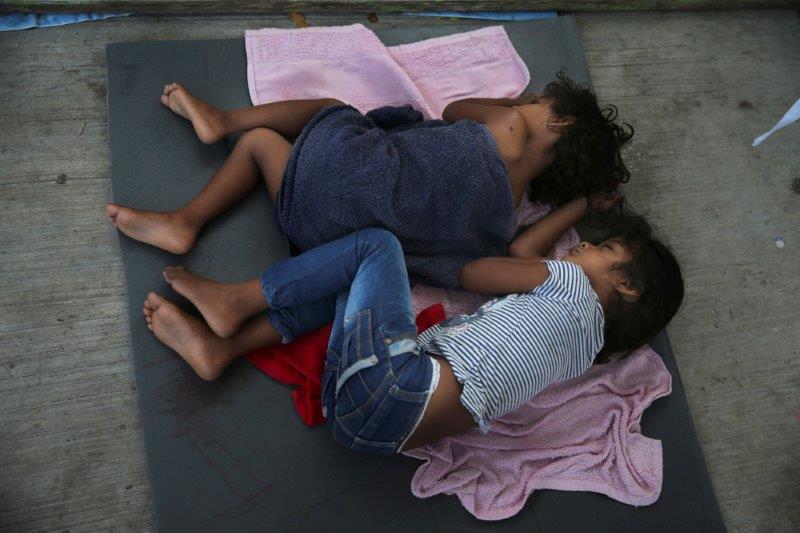
The MVM class action settlement is set against the backdrop of the broader "zero tolerance policy" implemented by the Trump administration, which aimed to deter illegal border crossings. According to the plaintiffs, this policy led to the separation of more than 4,500 children, including infants, from their parents between 2017 and 2021. Typically, adults apprehended at the border were either jailed or deported, while their children were placed under the supervision of the Department of Health and Human Services, often after enduring weeks in overcrowded detention facilities.
Public outcry prompted the Trump administration to discontinue the policy in 2018. Judge Sabraw, who also presided over a separate lawsuit against the federal government concerning this policy, subsequently issued an injunction to prevent its re-implementation and mandated the reunification of all separated children. In 2023, the Biden administration reached a settlement in that government lawsuit, allocating funds for family reunification efforts and establishing pathways to asylum for many affected individuals. The American Civil Liberties Union reported in July 2019 that over 900 children had been separated since a judge ordered the practice curtailed, noting that approximately one in five separated children was under five years old.
Practical Implications
This settlement highlights the significant legal and reputational risks for private contractors involved in government immigration policies, particularly those impacting vulnerable populations. Lawyers advising such contractors should review their clients' operational involvement in sensitive areas and assess potential liability under human rights law and domestic tort claims, even when acting under government contract.
Source
How does this affect you?
Get an AI analysis of this article grounded in your jurisdictions, practice areas, and any policy documents you've uploaded to Wansom.
Finish Reading the Full Story and the Expert Analysis.
Get the latest legal & regulatory intelligence in United States
Wansom is AI and can make mistakes.