
Tribunal Supremo: Nega Transmissão Julgamento Venâncio Mondlane
Summary
- Mozambique's Supreme Court denied Venâncio Mondlane's request for his trial to be broadcast live.
- Mondlane had sought live transmission via audio, image, and digital platforms for the trial scheduled for November 17.
- The decision was announced by Supreme Court spokesperson Pedro Nhatitima.
- The Supreme Court consulted the Public Prosecutor's Office before making its ruling.
- This decision sets a precedent for media access and transparency in high-profile Mozambican trials.
Supreme Court Denies Live Broadcast Request
The denial of the live broadcast, despite the defendant's explicit request for enhanced transparency, reflects the court's interpretation of existing Mozambican procedural law regarding media presence in trials.
Mozambique's Supreme Court has rejected a petition from defendant Venâncio Mondlane, who sought to have his upcoming trial broadcast live. The request specifically called for the proceedings, scheduled for November 17, to be transmitted using audio, video, and various digital platforms, aiming for a direct public viewing of the legal process.
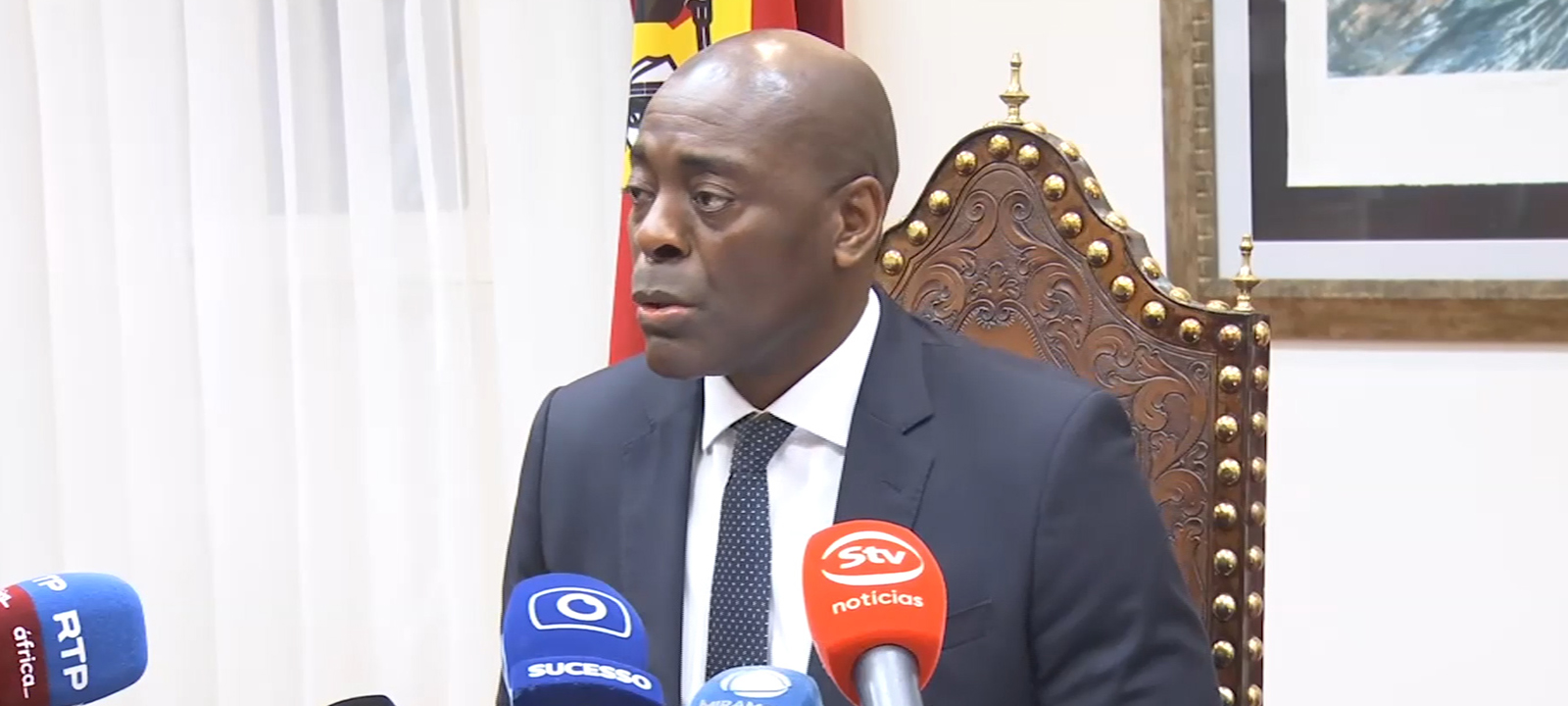
The decision to deny the live transmission was formally announced by Pedro Nhatitima, who serves as the spokesperson for the Tribunal Supremo. This ruling directly impacts the public's ability to follow the high-profile case as it unfolds, limiting real-time access to the courtroom proceedings. The court's stance underscores a restrictive approach to media coverage for significant legal events in the country.
Legal Context and Procedural Considerations
Before issuing its definitive ruling on Venâncio Mondlane's request for a direct broadcast of his trial, the Tribunal Supremo engaged in consultations with the Public Prosecutor's Office (Ministério Público). This procedural step highlights the collaborative nature of legal decision-making within Mozambique's judicial system, particularly concerning matters that could set precedents for public access to justice.
The denial of the live broadcast, despite the defendant's explicit request for enhanced transparency, reflects the court's interpretation of existing Mozambican procedural law regarding media presence in trials. While the specifics of the court's reasoning were not detailed in the announcement, such decisions often balance the principles of public access to justice with concerns over trial integrity, witness protection, and the potential for undue influence or sensationalism. This particular ruling contributes to the evolving landscape of Direito processual penal Moçambique and how it intersects with modern demands for transparency.
Implications for Trial Transparency and Media Access
The Tribunal Supremo's decision regarding Venâncio Mondlane's request for a live transmission of his julgamento direto carries significant implications for future high-profile cases in Mozambique. By rejecting the use of audio, image, and digital platforms for a direct broadcast, the court has signaled a cautious approach to media integration in judicial proceedings, potentially setting a precedent that limits public and media access to real-time trial information.
This ruling by the Tribunal Supremo Moçambique decision could influence how similar requests are handled in the future, particularly for cases attracting substantial public interest. It suggests that while the judiciary operates with a degree of transparency, direct, unmediated public access via live broadcasting may not be readily granted. The declaration by Pedro Nhatitima thus becomes a key reference point for understanding the current judicial posture on media engagement and Acesso à justiça Moçambique in the digital age, especially concerning the Tribunal Supremo Venâncio Mondlane transmissão julgamento.
Practical Implications
This decision by the Tribunal Supremo establishes a precedent regarding the live broadcasting of high-profile trials in Mozambique, indicating a restrictive approach to media access. Lawyers should be aware of this stance when advising clients on public relations strategies or managing expectations regarding trial transparency in similar cases.
Source
How does this affect you?
Get an AI analysis of this article grounded in your jurisdictions, practice areas, and any policy documents you've uploaded to Wansom.
Finish Reading the Full Story and the Expert Analysis.
Get the latest legal & regulatory intelligence in Mozambique
Wansom is AI and can make mistakes.