
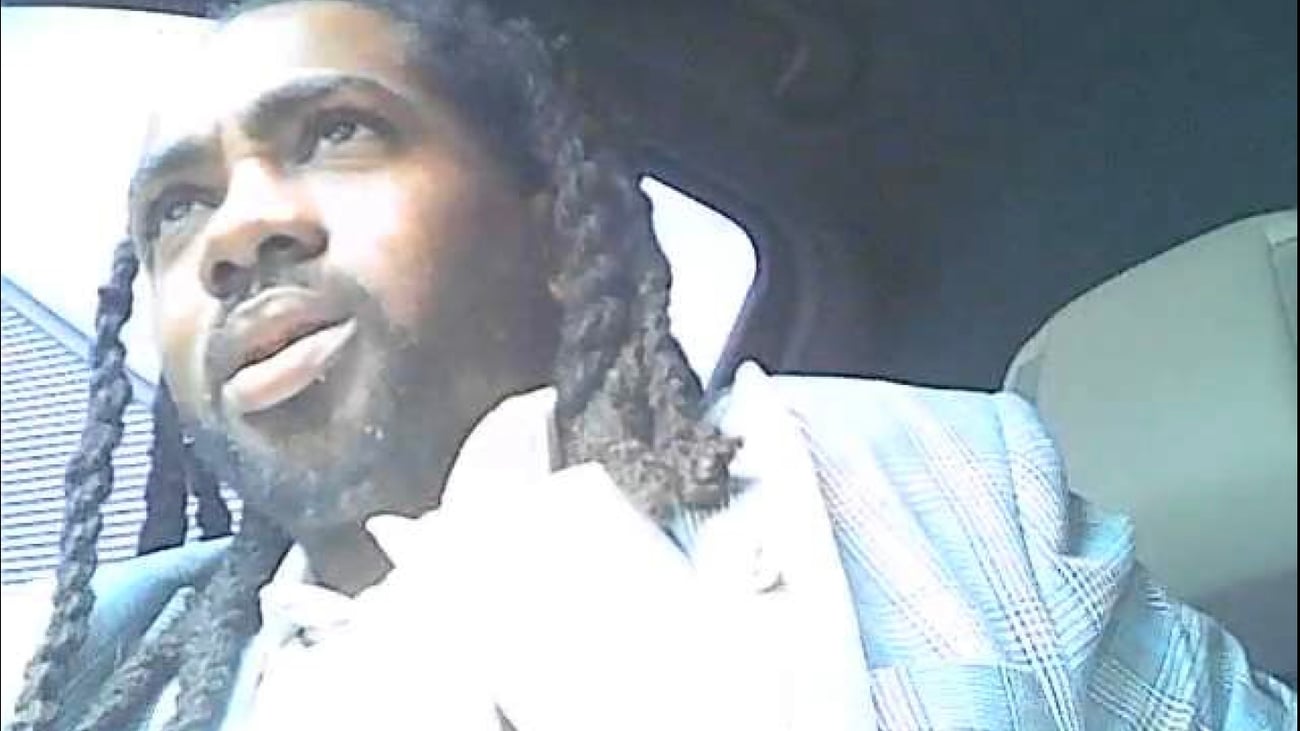
Trayon White Sr.: Federal Bribery Trial Begins for DC Council Member
Summary
- D.C. Council member Trayon White Sr. is on trial for one count of federal bribery, facing up to 15 years in prison if convicted.
- Prosecutors allege White accepted approximately $156,000 in kickbacks from his brother-in-law, FBI informant Allieu Kamara, to extend government contracts.
- The government presented video evidence showing White receiving cash payments from Kamara in four separate meetings.
- The defense argues Kamara, a convicted briber, induced White, and that no explicit "quid pro quo" for official acts occurred.
- The case is being tried under 18 U.S. Code Section 201 (b)(2) and highlights ongoing scrutiny of public officials and government contracting in Washington D.C.
D.C. Council Member Faces Federal Bribery Charges
This trial underscores the rigorous scrutiny applied to public officials and government contracting processes in the nation's capital, serving as a critical reminder of the stringent interpretation of 'quid pro quo' in public corruption cases.
A federal jury has begun hearing opening arguments in the bribery trial of D.C. Council member Trayon White Sr., who represents Ward 8 in southeastern Washington. Mr. White, a Democrat, is accused of one count of bribery, stemming from allegations that he accepted approximately $156,000 in kickback payments. If convicted, he faces a potential sentence of up to 15 years in prison and would be removed from his council seat.
Prosecutors contend that Mr. White received these payments from his brother-in-law, Allieu Kamara, who was acting as an FBI informant. The alleged scheme involved a "quid pro quo" arrangement where Mr. White would use his official position to extend city government contracts for Mr. Kamara's homeless services company, Life Deeds. Mr. White was arrested in August 2024 and subsequently entered a plea of not guilty to the single charge on September 12, 2024.
Prosecution Presents Video Evidence of Alleged Payments
During opening arguments, Justice Department prosecutor John Crabb Jr. presented video evidence from four separate meetings that occurred between June 26 and August 9, 2024. These recordings purportedly show Mr. Kamara handing envelopes containing thousands of dollars in cash to Mr. White. Specific payments captured on video included amounts of $15,000, $5,000, $10,000, and another $5,000, with Mr. White allegedly placing one $10,000 envelope into his jacket pocket, and a $15,000 envelope into his jacket pocket.
The government's case suggests these payments were part of an alleged deal where Mr. White would receive a 3% kickback from Mr. Kamara's government contracts, which were valued at over $5 million. This arrangement was projected to yield Mr. White an additional $141,000. Mr. Crabb highlighted a statement attributed to Mr. White — "Once you get me, if you lock eyes and get your understanding, I get to work" — arguing that it demonstrated Mr. White's willingness to defraud the D.C. government, neglect his official duties, and effectively "sell his office as a D.C. Council member." Prosecutors also allege Mr. White discussed arranging a meeting with an appointed public official in Mayor Muriel Bowser’s administration regarding Mr. Kamara’s contract status and sought to extend Life Deeds' contract to additional wards during a meeting with Kwelli Sneed, the Executive Director of the Office of Neighborhood Safety and Engagement.
Defense Alleges Entrapment and Lack of 'Quid Pro Quo'
Warren Kohlman, Mr. White’s defense attorney, countered the prosecution's claims by portraying Allieu Kamara as the primary instigator, describing him as "corrupt to the bone." Mr. Kohlman cited Mr. Kamara's history of engaging in government contract fraud, including through the Covid-19 Paycheck Protection Program, and noted that Mr. Kamara had pleaded guilty in 2024 to taking a $230,000 bribe. The defense argued that the FBI utilized Mr. Kamara to induce Mr. White into committing a crime, suggesting Mr. Kamara sought a "get-out-of-jail-free card" to mitigate consequences from his prior plea deal.
Mr. Kohlman asserted that no genuine "quid pro quo" occurred, which he contends is essential for a bribery conviction. He pointed to recorded conversations where Mr. White expressed reservations, stating, "What do you need me to do, man? I don’t want to feel like you’ve got to give me something to get something. We’re better than that," even though Mr. White subsequently accepted the money. The defense also highlighted Mr. White's recorded comment about being "hurting" for money, suggesting a context of financial need rather than corrupt intent.
Legal Context and Public Corruption Scrutiny
The federal bribery charge against Mr. White falls under 18 U.S. Code Section 201 (b)(2), a statute that strictly defines the elements of bribery, particularly the exchange of something of value for an official act. U.S. District Judge Rudolph Contreras is presiding over the public corruption trial, having empaneled the jury after the Justice Department raised concerns about a now-deleted social media post that urged residents to respond to jury summonses, which prosecutors viewed as potential jury tampering. Judge Contreras has not yet issued a ruling on that matter.
This trial underscores the rigorous scrutiny applied to public officials and government contracting processes in the nation's capital, serving as a critical reminder of the stringent interpretation of 'quid pro quo' in public corruption cases. The proceedings highlight the ongoing efforts to combat government contracts kickbacks in Washington D.C. and the legal challenges involved in proving intent and exchange in such complex cases.
Practical Implications
This trial highlights the ongoing scrutiny of public officials and government contracting in Washington D.C., serving as a critical reminder for compliance officers to reinforce anti-bribery protocols and for legal counsel to advise clients on the strict interpretation of 'quid pro quo' in public corruption cases, particularly under 18 U.S. Code Section 201 (b)(2).
Source
How does this affect you?
Get an AI analysis of this article grounded in your jurisdictions, practice areas, and any policy documents you've uploaded to Wansom.
Finish Reading the Full Story and the Expert Analysis.
Get the latest legal & regulatory intelligence in United States
Wansom is AI and can make mistakes.