
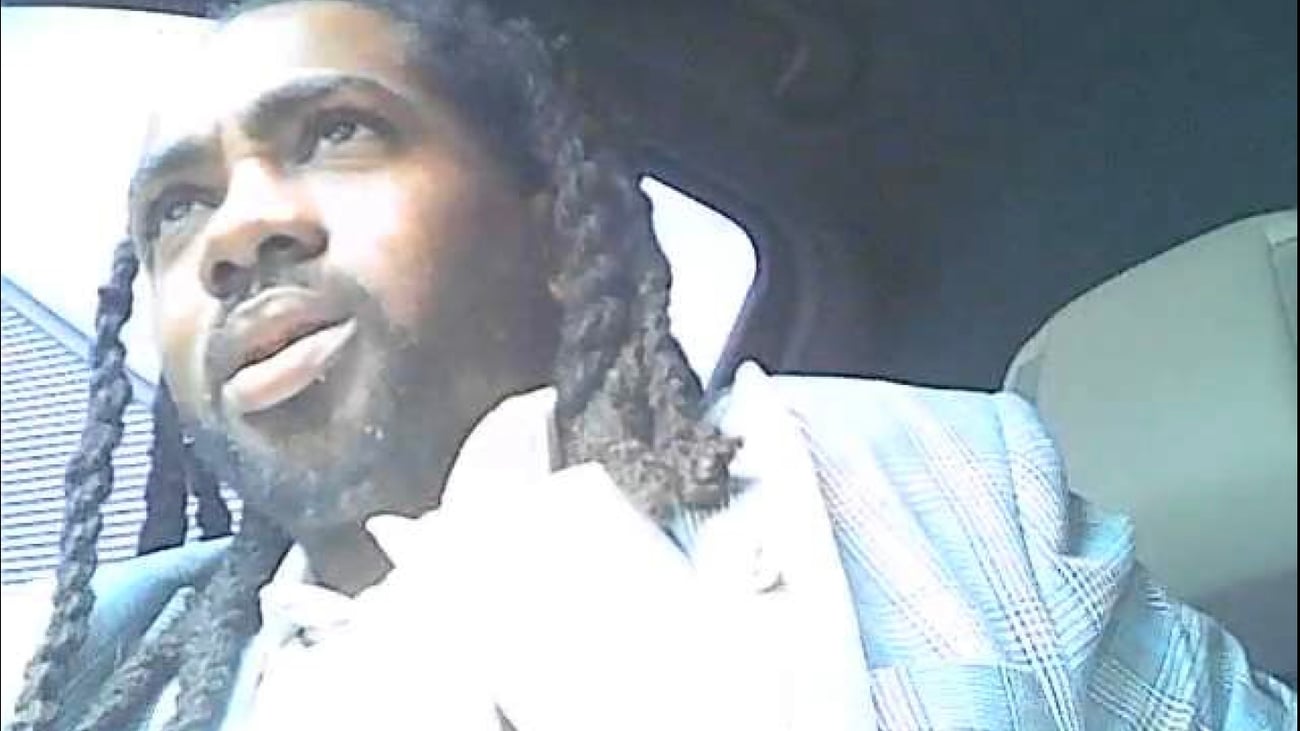
Trayon White Bribery Trial: Federal Judge Declares Mistrial
Summary
- A federal judge declared a mistrial in the bribery case against D.C. Council member Trayon White Sr. after jurors were deadlocked.
- White faced one count of bribery for allegedly accepting approximately $156,000 in kickback payments from an FBI informant, his brother-in-law Allieu Kamara.
- The prosecution presented hidden camera footage and White's own statements as evidence of a 'quid pro quo' arrangement.
- The defense argued White was induced by Kamara, who was portrayed as 'corrupt to the bone,' and questioned White's intent to follow through on any alleged deal.
- Prosecutors may seek to retry the case, leaving White's political future uncertain.
Mistrial Declared in DC Council Bribery Case
The inability of the jury to reach a consensus means federal prosecutors now have the option to pursue a retrial before a new jury, prolonging the legal battle surrounding the federal public corruption DC charges.
A federal judge has declared a mistrial in the high-profile federal bribery case against D.C. Council member Trayon White Sr., after jurors deliberated for over three days without reaching a unanimous verdict. U.S. District Judge Rudolph Contreras, an appointee of former President Barack Obama, announced the outcome after the jury informed him they were deadlocked on the single count of bribery facing the Ward 8 Council member. This development leaves the future of the case, and White's position on the D.C. City Council, in a state of legal limbo.
White, a Democrat representing southeastern Washington's Ward 8, was arrested in August 2024 and subsequently pleaded not guilty to the charges in September 2024. Had he been found guilty, the council member faced a potential prison sentence of up to 15 years and would have been automatically removed from his elected office. The inability of the jury to reach a consensus means federal prosecutors now have the option to pursue a retrial before a new jury, prolonging the legal battle surrounding the federal public corruption DC charges.
Allegations of Kickbacks and Quid Pro Quo
The prosecution's case centered on allegations that White accepted approximately $156,000 in kickback payments from an FBI informant, Allieu Kamara, who is also White's brother-in-law and a government contractor. Prosecutors contended that these payments were part of a "quid pro quo" arrangement, where White would use his official position to benefit Kamara's homeless services company, Life Deeds. Kamara himself had previously pleaded guilty in 2024 to accepting a $230,000 bribe, highlighting the complex web of relationships and alleged corruption.
Key evidence presented during the trial included hidden camera footage showing White accepting the substantial sum, as well as charging papers depicting him placing a $10,000 payment into his jacket pocket. John Crabb Jr., formerly a Justice Department prosecutor, also presented videos from four separate meetings held during the summer of 2024, where Kamara delivered envelopes filled with thousands of dollars in cash. These payments were purportedly part of a deal to provide White with a 3% kickback from Kamara's government contracts, which were valued at over $5 million. Crabb emphasized a statement made by White to Kamara, "Once you get me, if you lock eyes and get your understanding, I get to work," arguing it demonstrated White's willingness to exploit his office and defraud the D.C. government.
Defense Challenges Intent and Informant Credibility
In his defense, Warren Kohlman, White's attorney, painted Allieu Kamara as the true instigator and a deeply corrupt individual, citing Kamara's history of government contract fraud, including involvement in the Covid-19 Paycheck Protection Program. Kohlman asserted that the FBI utilized Kamara to induce White into committing a crime, suggesting Kamara sought a "get-out-of-jail-free card" to mitigate the consequences of his own 2024 plea deal. The defense maintained that without a clear "quid pro quo," no bribery occurred.
During deliberations, the jury posed several critical legal questions to Judge Contreras, including whether an act constitutes bribery if the defendant accepted money for an official action without any actual intent to follow through. Kohlman underscored this point in his closing arguments, urging jurors to scrutinize White's "state of mind." He highlighted testimony from D.C. public safety officials indicating that despite receiving payments to arrange meetings on Kamara's behalf, White never actually held those meetings. Conversely, Assistant U.S. Attorney Rebecca Ross countered by referencing an interaction between White and Kwelli Sneed, the Executive Director of the Office of Neighborhood Safety and Engagement, suggesting White implied he would withhold support for Sneed's confirmation unless a contract for Life Deeds was extended.
Practical Implications
This mistrial highlights the ongoing legal risks for public officials facing federal bribery charges, particularly concerning the complexities of proving intent and the credibility of informants. Criminal defense lawyers should observe the arguments made regarding inducement and the 'state of mind' defense for future cases.
Source
How does this affect you?
Get an AI analysis of this article grounded in your jurisdictions, practice areas, and any policy documents you've uploaded to Wansom.
Finish Reading the Full Story and the Expert Analysis.
Get the latest legal & regulatory intelligence in United States
Wansom is AI and can make mistakes.