
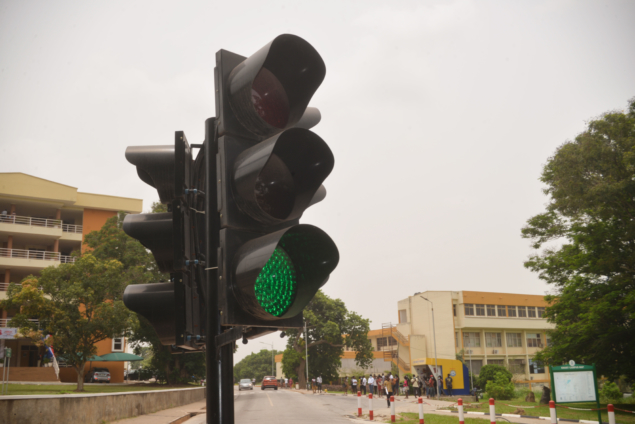
TRAFFITECH-GH Ghana: Registered Owner Liability Model Faces Legal Challenge
Summary
- The TRAFFITECH-GH system's practice of assigning liability to registered vehicle owners for traffic offenses is facing legal scrutiny in Ghana.
- Ghanaian criminal law generally lacks a doctrine of vicarious liability that would automatically hold owners responsible for others' driving offenses.
- Both the Constitution and the Ghana Evidence Act uphold the presumption of innocence, requiring the prosecution to prove guilt beyond a reasonable doubt.
- Registered owners receiving TRAFFITECH-GH notices can demand the prosecution prove they were the driver, absent specific parliamentary authorization.
- The legal system mandates identifying the actual person who committed an offense before imposing punishment, as vehicles do not commit crimes.
The TRAFFITECH-GH Liability Debate in Ghana
Lawyers should advise clients receiving TRAFFITECH-GH notices that they are entitled to demand the prosecution prove, beyond reasonable doubt, that they were the driver, as Ghana's criminal law does not support automatic vicarious liability for registered owners.
The TRAFFITECH-GH system, implemented to enhance road safety and enforce traffic regulations across Ghana, serves a commendable public objective. However, its current operational model, which assigns liability for traffic offenses directly to the registered owner of a vehicle, has sparked considerable legal debate. This approach is perceived by some as substituting a vehicle's registration record for concrete proof of an individual's conduct, thereby raising questions about its adherence to established legal principles. The core of the controversy lies in whether vehicle ownership alone can justify criminal liability, particularly when the actual perpetrator of a traffic offense remains unidentified.
This method of enforcement, while aiming for efficiency, places the onus on the citizen to refute an accusation, which critics argue is a reversal of the traditional burden of proof. The system's legitimacy, therefore, is not solely dependent on its laudable goals but also on the lawfulness and fairness of its enforcement mechanisms. The challenge to TRAFFITECH-GH's legality centers on this fundamental tension between administrative convenience and constitutional rights.
Legal Foundations Challenging Automatic Owner Liability
A cornerstone of Ghanaian criminal law is the absence of a general doctrine of vicarious liability that would automatically hold a registered owner accountable for offenses committed by another person driving their vehicle. This legal gap directly undermines the TRAFFITECH-GH system's current practice of assigning penalties based solely on vehicle registration. Furthermore, the Ghanaian Constitution, in conjunction with the Ghana Evidence Act, unequivocally safeguards the presumption of innocence for all accused individuals. These foundational legal documents mandate that the prosecution bears the responsibility of proving guilt beyond a reasonable doubt, explicitly prohibiting any requirement for an individual to establish their own innocence.
Such a reversal of the burden of proof would only be permissible if explicitly sanctioned by a clear legislative warrant from Parliament. Until such specific authorization is provided, the current framework of TRAFFITECH-GH, which relies on a register of title as evidence of culpability, operates without sufficient legal backing. The system's attempt to equate vehicle ownership with direct criminal conduct, therefore, faces significant legal hurdles under existing Ghanaian law.
Rights of Registered Owners and Burden of Proof
In light of these legal principles, any registered owner in Ghana who receives a TRAFFITECH-GH notice for a traffic offense they did not personally commit is fully entitled to demand that the prosecution provide irrefutable evidence, beyond a reasonable doubt, that they were indeed the driver at the time of the alleged infraction. This right is a direct consequence of the presumption of innocence TRAFFITECH-GH must respect. The fundamental tenet of criminal justice dictates that crimes are committed by individuals, not by the property they own. Therefore, before any punitive measures can be legally applied, the specific person responsible for the offense must be accurately identified and proven guilty.
This legal stance provides a crucial avenue for challenging TRAFFITECH-GH penalties, especially in situations where the actual driver cannot be definitively identified. Lawyers should advise clients receiving TRAFFITECH-GH notices that they are entitled to demand the prosecution prove, beyond reasonable doubt, that they were the driver, as Ghana's criminal law does not support automatic vicarious liability for registered owners. This development provides grounds for challenging TRAFFITECH-GH penalties where the actual driver cannot be identified.
Practical Implications
Lawyers should advise clients receiving TRAFFITECH-GH notices that they are entitled to demand the prosecution prove, beyond reasonable doubt, that they were the driver, as Ghana's criminal law does not support automatic vicarious liability for registered owners. This development provides grounds for challenging TRAFFITECH-GH penalties where the actual driver cannot be identified.
Source
How does this affect you?
Get an AI analysis of this article grounded in your jurisdictions, practice areas, and any policy documents you've uploaded to Wansom.
Wansom is AI and can make mistakes.