
Trader Joe's Police Shooting: Gene Atkins Implied Malice Murder Charge
Summary
- Gene Atkins was retried on a second-degree murder charge for killing Melyda Corado, a store employee, during a police shootout outside Trader Joe's.
- The prosecution used the 'implied malice' doctrine to argue that Atkins' actions showed a conscious disregard for human life and resulted in Corado's death.
- Atkins was previously convicted of attempted murder for shooting his girlfriend and grandmother but was acquitted of first-degree murder in the first trial.
- The verdict may set a precedent for police shooting liability in California, potentially expanding the scope of liability for law enforcement.
What Happened
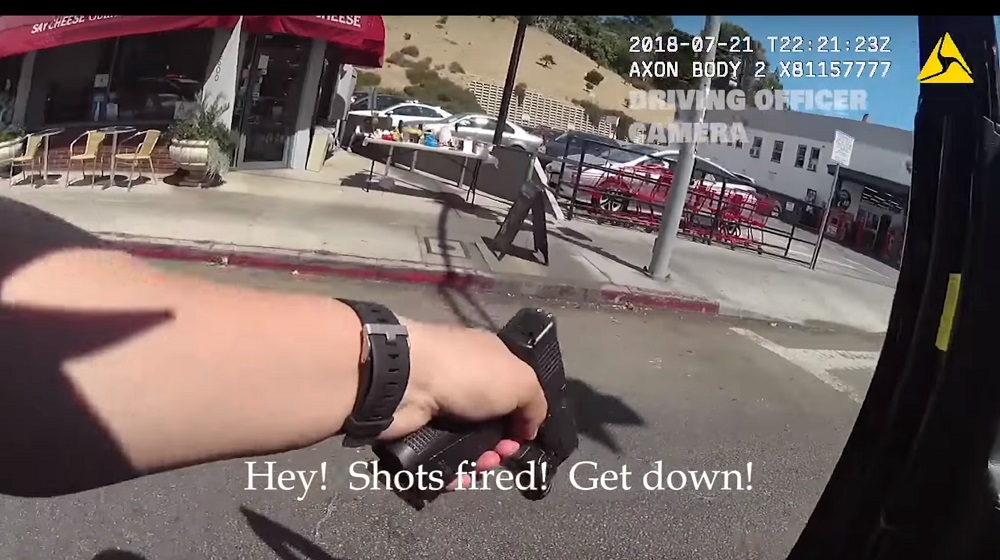
Gene Atkins, a 36-year-old man, was involved in a violent rampage on July 21, 2018, outside a Trader Joe's supermarket in Los Angeles. He shot his 17-year-old girlfriend and grandmother, then threw the teenager into the car and drove recklessly through the city. The police chased him, exchanging gunfire along the way. Atkins crashed the vehicle into a utility pole outside the store, fired more shots at police, and ran inside. Two officers returned fire, one of whom accidentally killed Melyda Corado, a store employee. Atkins was previously convicted of attempted murder for shooting his girlfriend and grandmother but was acquitted of first-degree murder and deadlocked on second-degree murder in the first trial. The prosecution retried him on the second-degree murder charge at the request of Corado's father.
Legal Context
The prosecution used the theory of 'implied malice' to charge Atkins with murder, arguing that his intentional actions showed a conscious disregard for human life. Deputy District Attorney Ben Schwartz argued that Atkins knew or should have known that police would shoot back and likely hit a bystander during the gunfight outside the store. The defense countered that it was not foreseeable that a bystander would be killed, citing the fact that only two out of five officers fired at Atkins. The case hinges on this legal interpretation, with the prosecution seeking to establish that Atkins' actions were reckless and resulted in Corado's death.
Why It Matters
The verdict in this case may have significant implications for police shooting liability in California. Prosecutors may use this precedent to argue for implied malice in future cases where police shootings result in bystander fatalities, potentially expanding the scope of liability for law enforcement. The case also highlights the complexities of applying the 'implied malice' doctrine in high-pressure situations like police shootouts.
Practical Implications
Prosecutors may use this verdict as a precedent to argue for implied malice in future cases where police shootings result in bystander fatalities, potentially expanding the scope of liability for law enforcement.
Source
How does this affect you?
Get an AI analysis of this article grounded in your jurisdictions, practice areas, and any policy documents you've uploaded to Wansom.
Wansom is AI and can make mistakes.