
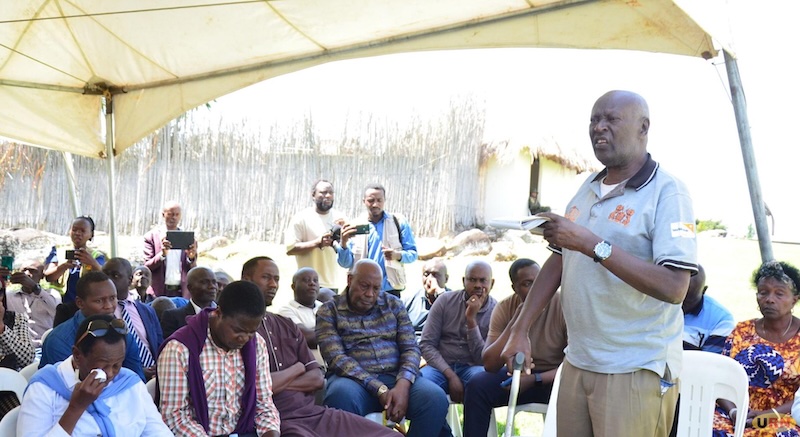
Babiito Royal Clan: Demands Tooro King Oyo Heir Verification Amidst Dispute
Summary
- A succession dispute has emerged in the Tooro Kingdom concerning a reported son of Omukama Oyo Nyimba Kabamba Iguru Rukidi IV, who recently passed away on August 27, 2026.
- The Babiito royal clan has demanded that this reported son be presented for verification.
- This verification is required before any succession arrangements can be made.
- The demand comes amid claims made by Queen Mother Best Kemigisa and Tooro prime minister Calvin Armstrong Rwomire.
The Emerging Succession Dispute
The Babiito royal clan has issued a formal demand concerning an individual reported to be the son of Omukama Oyo Nyimba Kabamba Iguru Rukidi IV, who recently passed away on August 27, 2026.
A significant succession dispute is currently unfolding within the Tooro Kingdom, centered on the identity and verification of a potential heir. The Babiito royal clan has issued a formal demand concerning an individual reported to be the son of Omukama Oyo Nyimba Kabamba Iguru Rukidi IV, who recently passed away on August 27, 2026. This demand stipulates that the alleged heir must be presented for thorough verification before any steps are taken to formalize succession arrangements within the kingdom.
This crucial requirement for King Oyo heir verification serves as a prerequisite, emphasizing the clan's insistence on due process before any decisions regarding the royal lineage are made. The Babiito royal clan's stance highlights the importance of establishing the authenticity of any claimant to the throne, ensuring adherence to customary practices.
The demand from the Babiito clan arises amidst a backdrop of various claims being made by prominent figures within the kingdom. These include assertions from Queen Mother Best Kemigisa and Tooro's prime minister, Calvin Armstrong Rwomire. The confluence of these claims and the clan's demand underscores the complex nature of this Tooro Kingdom succession dispute, bringing the issue of royal lineage to the forefront.
Customary Law and Verification Protocols
The insistence by the Babiito royal clan on the verification of the reported son of Omukama Oyo Nyimba Kabamba Iguru Rukidi IV, who recently passed away, is deeply rooted in the principles of Uganda customary law succession. In traditional monarchies, the legitimacy of an heir is paramount, often requiring ceremonial presentation and communal acknowledgment to affirm their right to the throne. This process is designed to uphold the integrity of the royal lineage and prevent future challenges to the Omukama's authority.
The demand for King Oyo heir verification before any succession arrangements are finalized underscores the meticulous nature of customary protocols governing royal transitions. Such procedures are not merely formalities but are essential mechanisms for ensuring stability and continuity within the Tooro Kingdom. They reflect a long-standing tradition where the identity and background of a successor must be unequivocally established to maintain the social and political order.
This emerging Tooro King Oyo heir dispute therefore highlights the critical role of established customary practices in validating royal claims. It serves as a reminder that while modern governance structures exist, traditional institutions continue to rely on their own intricate systems for managing leadership transitions, systems that are often designed to be robust against potential disputes.
Broader Implications for Traditional Institutions
The unfolding Tooro King Oyo heir dispute carries significant implications that extend beyond the immediate royal family, offering a crucial case study for other traditional institutions across Uganda. The Babiito royal clan's firm stance on the King Oyo heir verification process could set an important precedent for how similar claims are addressed in other kingdoms facing succession challenges. This situation underscores the delicate balance between long-standing customary practices, which traditionally govern royal lineage, and the potential for these matters to attract broader public scrutiny or even legal challenges.
This Tooro Kingdom succession dispute emphasizes the urgent need for clear, well-defined protocols within traditional institutions for managing and verifying royal lineage claims. The absence of such transparent and agreed-upon procedures can lead to internal strife, erode public trust, and potentially invite external intervention, including legal challenges. Therefore, establishing robust guidelines for succession is vital for maintaining the stability and legitimacy of these cultural and historical entities.
Legal professionals specializing in customary law in Uganda should closely monitor developments in this dispute. The resolution of this matter could influence future interpretations of traditional succession rights and the verification processes required for royal heirs. It highlights the ongoing interplay between traditional governance structures and the evolving legal landscape, emphasizing the need for traditional institutions to have clear, defensible protocols in place.
Practical Implications
Lawyers advising traditional institutions or specializing in customary law in Uganda should monitor this dispute for precedents on royal succession verification and the interplay between customary practices and potential legal challenges. It underscores the need for clear protocols in managing royal lineage claims.
Source
How does this affect you?
Get an AI analysis of this article grounded in your jurisdictions, practice areas, and any policy documents you've uploaded to Wansom.
Finish Reading the Full Story and the Expert Analysis.
Wansom is AI and can make mistakes.