
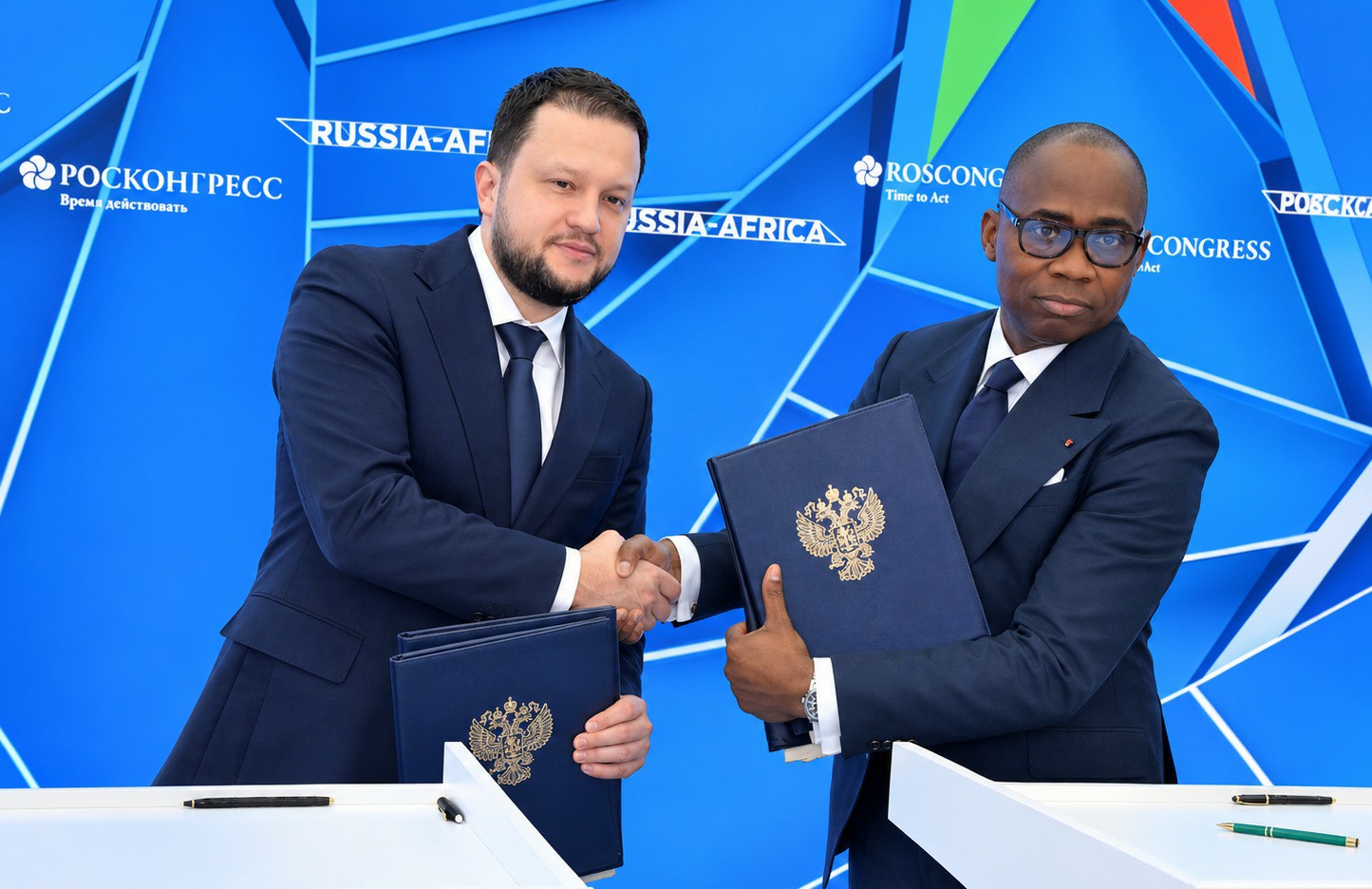
Togo, Russie: Accord sur la Reconnaissance des Brevets Marins
Summary
- Togo and Russia have signed an agreement for the mutual recognition of seafarers' certificates of competency.
- The accord aims to simplify the validation of qualifications for maritime professionals trained in either country.
- The agreement operates under the 1978 STCW Convention and requires adherence to IMO standards.
- A verification system ensures authenticity, with responses to requests within seven working days via email.
- While streamlining administration, the agreement does not guarantee employment for certified seafarers.
A New Maritime Accord Between Togo and Russia
A crucial aspect of this accord is its adherence to the requirements set forth by the Organisation maritime internationale (OMI), which mandates that both states fully implement the provisions of the Convention STCW 1978 Togo Russie.
The Republic of Togo, through its Delegated Ministry in charge of Maritime Economy, and the Russian Federation, represented by its Ministry of Transport, have formalized a significant bilateral agreement aimed at enhancing cooperation in the maritime sector. This accord establishes the mutual recognition of seafarers' certificates of competency and other qualifications for ship crews, marking a notable step in the relationship between Lomé and Moscou. The primary objective of this new framework is to streamline the validation process for maritime professionals who have received their training and certification in either of the signatory nations.
This development signifies a deepening of ties, particularly in an area critical to global commerce and navigation. The agreement on Togo Russie reconnaissance brevets marins is designed to simplify administrative hurdles for seafarers, allowing their credentials to be acknowledged across both jurisdictions. By facilitating the acceptance of certificats aptitude équipages navires Togo and their Russian counterparts, the accord seeks to foster greater mobility and employment opportunities for qualified personnel.
Adherence to International Standards and Verification Protocols
The recently signed agreement operates within the established parameters of the 1978 International Convention on Standards of Training, Certification and Watchkeeping for Seafarers (STCW). This foundational maritime treaty ensures that the mutual recognition process between Togo and Russie aligns with global benchmarks for seafarer competence. A crucial aspect of this accord is its adherence to the requirements set forth by the Organisation maritime internationale (OMI), which mandates that both states fully implement the provisions of the Convention STCW 1978 Togo Russie. This ensures that the quality and validity of recognized certificates meet rigorous international standards, providing assurance to the global shipping community.
To operationalize this recognition, the agreement outlines a clear mechanism involving the issuance of endorsements, often referred to as visas, by one party to attest to the validity of certificates issued by the other. Furthermore, a robust system for verifying the authenticity and validity of these documents has been put in place. Authorities from both nations have committed to responding to verification requests within a strict timeframe of seven working days, utilizing electronic mail for efficiency. This commitment is bolstered by the requirement for both countries to maintain accessible electronic registers of all issued certificates and their corresponding endorsements, thereby enhancing transparency and accountability in the mutual recognition process.
Broader Implications for Maritime Operations
While the Lomé Moscou accord brevets marins is expected to significantly ease administrative burdens and potentially expedite embarkation procedures for seafarers, its broader economic impact will largely depend on its practical implementation and the evolving demands of shipowners for skilled personnel. It is important to note that the recognition of a seafarer's certificate under this agreement does not inherently guarantee employment or placement on a vessel. Rather, it creates a more streamlined pathway for qualified individuals to be considered for such roles.
For Togo, a nation whose Port of Lomé serves as a pivotal hub in regional maritime trade, this agreement represents a strategic expansion of its international cooperation, particularly with Russia. In a sector where the proficiency of crews and strict adherence to international regulations are paramount, this accord establishes a new framework for collaboration. It underscores the shared commitment of both the Ministère délégué chargé de l'Économie maritime du Togo and its Russian counterpart to upholding high standards in maritime training and certification, thereby contributing to safer and more efficient global shipping operations.
Practical Implications
Lawyers advising shipping companies or seafarers operating between Togo and Russia should note the new agreement facilitating mutual recognition and verification of seafarer certificates. This streamlines administrative processes for validating qualifications, impacting hiring and deployment strategies for maritime personnel from either country, while still requiring adherence to STCW and IMO standards.
Source
How does this affect you?
Get an AI analysis of this article grounded in your jurisdictions, practice areas, and any policy documents you've uploaded to Wansom.
Finish Reading the Full Story and the Expert Analysis.
Wansom is AI and can make mistakes.