
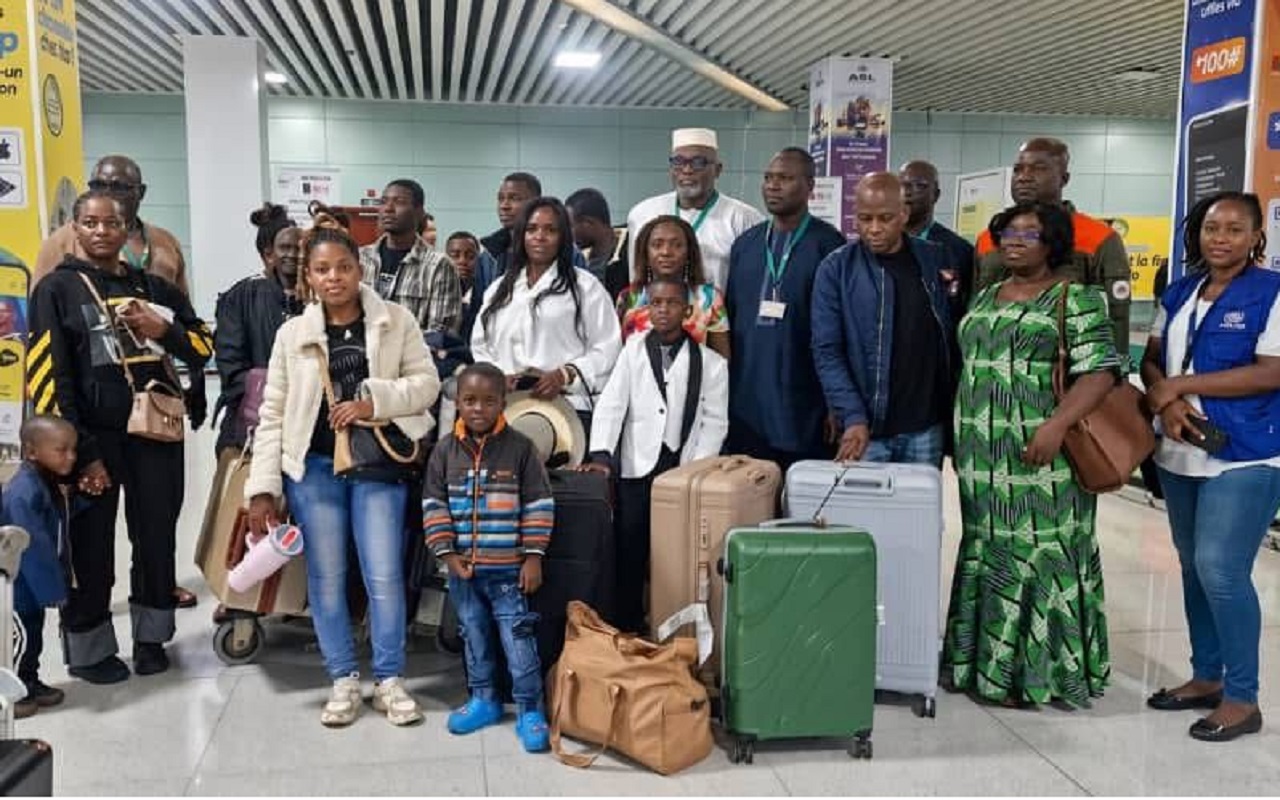
Togo: South Africa Xenophobia Repatriation Sees Nationals Return
Summary
- Approximately twenty Togolese nationals voluntarily returned to Lomé from South Africa on August 30, supported by the Togolese state.
- This repatriation occurred amidst a rise in xenophobic violence in South Africa, where many Togolese migrants face difficulties with residence permits.
- The UN Committee on the Elimination of Racial Discrimination (CERD) reported at least four migrants killed and 50,000 forcibly displaced since January, alongside kidnappings and looting targeting foreigners.
- Other African countries, including Nigeria, Ghana, Malawi, Zimbabwe, and Mozambique, have also conducted similar repatriation operations.
- The situation highlights significant legal and safety risks for African nationals in South Africa, driven by anti-immigration movements.
Togolese Nationals Repatriated Amidst Rising Xenophobia
Lawyers advising Togolese or other African nationals in South Africa must be acutely aware of these heightened xenophobic risks and the potential for forced repatriation, which can severely affect both immigration status and personal safety.
Approximately twenty Togolese nationals recently returned to Lomé, Togo, on Sunday, August 30, following a voluntary repatriation initiative. This operation, which saw the individuals depart from South Africa, was facilitated and supported by the Togolese state. The return of these Togolese migrants from South Africa occurs against a backdrop of increasing challenges faced by many of their compatriots in the country, particularly concerning the acquisition or renewal of their essential residence permits.
This specific instance of African migrant repatriation underscores a broader, tense environment in South Africa, characterized by a significant uptick in xenophobic violence. These hostilities are reportedly fueled by various anti-immigration movements active within the nation. The difficulties encountered by Togolese nationals in securing their legal status, coupled with the prevailing social unrest, highlight the precarious situation for many foreign residents.
The voluntary return of these Togo nationals from South Africa is not an isolated event. Several other African nations, including Nigeria, Ghana, Malawi, Zimbabwe, and Mozambique, have undertaken similar operations to repatriate their citizens from South Africa. However, no further details have been made public regarding any potential future repatriations for Togolese individuals currently residing in the country.
International Alarm Over South Africa's Xenophobic Violence
The escalating xenophobic violence in South Africa has drawn significant international attention and concern. On August 27, the United Nations Committee on the Elimination of Racial Discrimination (CERD) issued a stark alert detailing the severity of the situation. This alert highlighted a disturbing trend of violence and displacement affecting migrants and foreign nationals within South Africa since the beginning of the year.
According to the CERD's report, at least four migrants have been killed since January, painting a grim picture of the dangers faced by non-citizens. Furthermore, the committee documented that approximately 50,000 individuals have been forcibly displaced from their homes during the same period. The alert also cited numerous incidents of kidnappings and widespread looting specifically targeting foreigners, indicating a systemic pattern of aggression.
These alarming statistics from CERD underscore the urgent need for protective measures for African nationals in South Africa, including Togolese migrants. The reported difficulties in obtaining and renewing residence permits for Togolese individuals, combined with the documented violence, create a challenging and often dangerous environment for those seeking to live and work in the country. The international community's focus on these human rights conditions emphasizes the gravity of the situation.
Legal and Safety Implications for African Migrants
The current climate in South Africa presents significant legal and safety implications for African migrants, including Togolese nationals. The resurgence of xenophobic violence, driven by anti-immigration sentiments, directly impacts the personal security of these individuals. Lawyers advising Togolese or other African nationals in South Africa must be acutely aware of these heightened xenophobic risks and the potential for forced repatriation, which can severely affect both immigration status and personal safety.
Beyond the immediate threat of violence, the administrative hurdles faced by Togolese nationals in obtaining or renewing residence permits add another layer of vulnerability. This legal precarity can leave individuals without official protection, making them more susceptible to exploitation and targeted attacks. Compliance officers, particularly those overseeing operations or employees in South Africa, should closely monitor the human rights conditions to mitigate potential risks associated with the volatile environment.
The broader context of African migrant repatriation, as seen with the actions taken by Nigeria, Ghana, Malawi, Zimbabwe, and Mozambique, suggests a recognition by home governments of the severe challenges their citizens face. The lack of clarity regarding future repatriations for Togolese nationals means that those remaining in South Africa must navigate an uncertain landscape, balancing legal compliance with personal safety in a country grappling with significant social tensions.
Practical Implications
Lawyers advising Togolese or other African nationals in South Africa should be aware of the heightened xenophobic risks and potential for forced repatriation, impacting immigration status and personal safety. Compliance officers should monitor human rights conditions in South Africa for employees or business operations to mitigate potential risks.
Source
Source: Original reporting via {source}
How does this affect you?
Get an AI analysis of this article grounded in your jurisdictions, practice areas, and any policy documents you've uploaded to Wansom.
Finish Reading the Full Story and the Expert Analysis.
Wansom is AI and can make mistakes.