
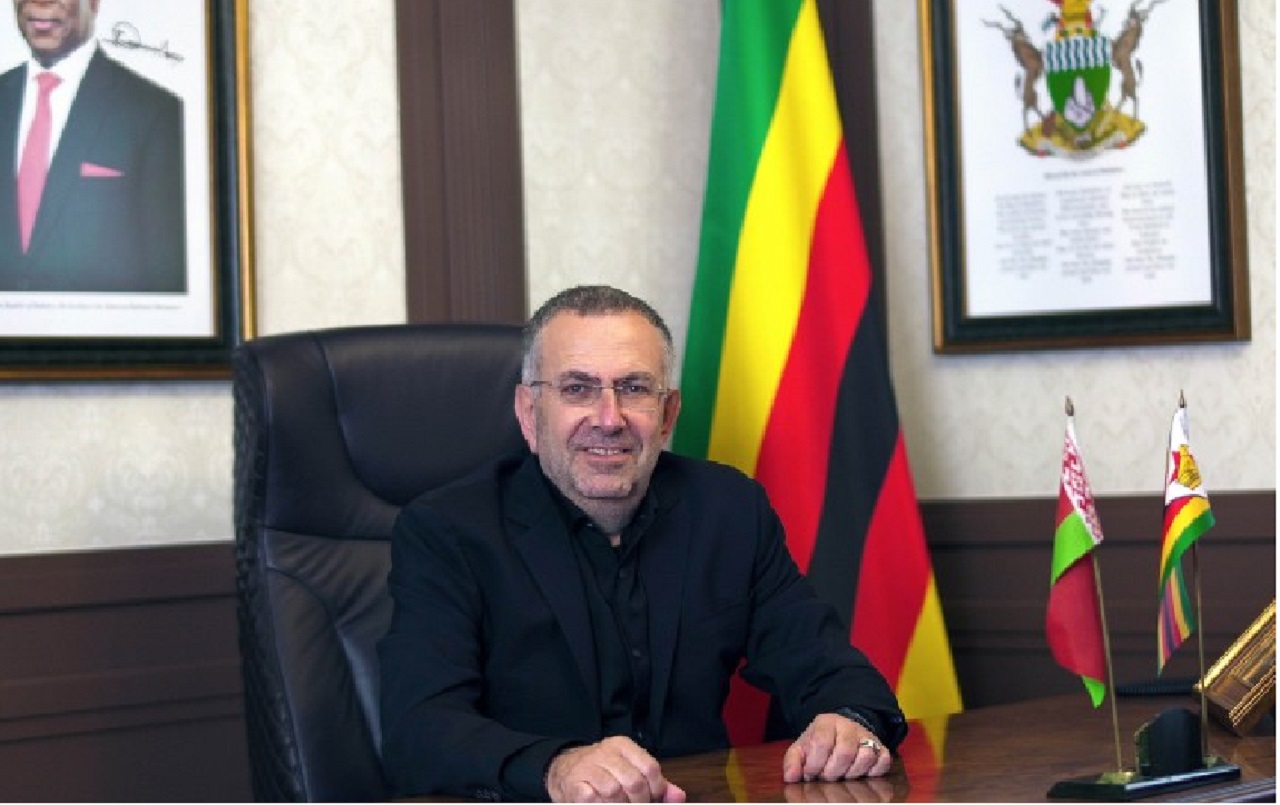
Togo: Alexander Zingman's Influence Raises Compliance Concerns Over Lomé Port Armaments Co
Belarusian-American businessman Alexander Zingman is reportedly consolidating his influence with Togolese President Faure Gnassingbé, potentially facilitating a new logistical corridor for Russian armaments through the Port of Lomé by 2026 and strengthening Togo-Russia diplomatic ties. According to revelations from Africa Intelligence, Zingman, who heads the Dubai-based company Aftrade DMCC, has been strategically repositioning his operations towards Francophone Africa, including Togo and Madagascar, after a decade of activity primarily in the DRC and Zimbabwe. His presence alongside President Gnassingbé since 2024 is said to be instrumental in preparing the logistical groundwork for the Port of Lomé to become a key transit point for Russian military supplies destined for the Sahel region. Concurrently, Zingman is reportedly involved in organizing a visit for President Gnassingbé to Minsk and facilitating the upcoming opening of a Togolese embassy in Moscow, signaling a significant shift in Togo's international alignments.
This development carries substantial legal and geopolitical implications for Togo, its regional partners, and international actors. For legal practitioners, it highlights potential risks and opportunities related to international trade, sanctions compliance, and foreign policy. Businesses operating in Togo, especially those involved in logistics, shipping, or defense-related sectors, must be acutely aware of the evolving geopolitical landscape and potential regulatory scrutiny. The involvement of a businessman with dual nationality and a Dubai-based company adds layers of complexity regarding jurisdiction, international law, and the potential for extraterritorial application of sanctions.
The legal context for such activities involves a complex interplay of international trade law, national security legislation, and various sanctions regimes. While the excerpt does not detail specific Togolese statutes, the establishment of diplomatic ties and trade routes, particularly for armaments, would fall under national security laws, international arms trade treaties, and potentially UN Security Council resolutions. Togo, as a member of ECOWAS and the African Union, operates within a framework of regional and continental agreements, which could be impacted by these new alignments. The Port of Lomé's potential role as a transit hub would necessitate adherence to international maritime law, customs regulations, and potentially raise questions regarding compliance with international sanctions imposed by entities like the US or EU on Russia or Belarus. The key parties involved are Alexander Zingman and his company Aftrade DMCC, Togolese President Faure Gnassingbé, the government of Togo, and the governments of Russia and Belarus.
Attorneys advising clients with interests in Togo or the broader West African region should closely monitor developments related to Togo's foreign policy, particularly its deepening ties with Russia and Belarus. They must assess potential impacts on international trade, investment, and sanctions compliance for their clients. Businesses involved in logistics, shipping, defense, or dual-use goods must conduct enhanced due diligence on their supply chains and partners to mitigate risks associated with sanctions evasion or illicit trade. Furthermore, practitioners should advise on the implications of increased geopolitical alignment for contractual obligations, insurance, and regulatory compliance in a rapidly shifting international environment, ensuring clients understand the potential for heightened scrutiny from international bodies and foreign governments.
How does this affect you?
Get an AI analysis of this article grounded in your jurisdictions, practice areas, and any policy documents you've uploaded to Wansom.
Finish Reading the Full Story and the Expert Analysis.
Wansom is AI and can make mistakes.