
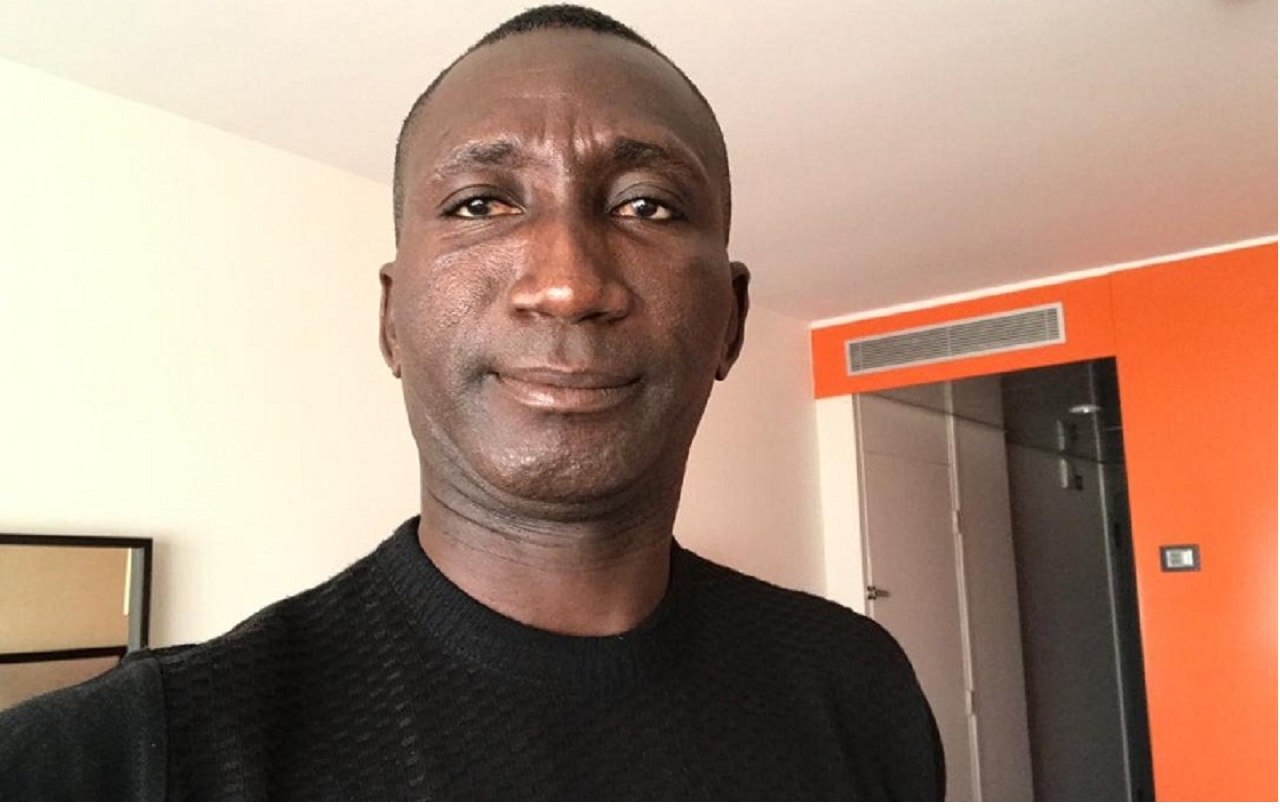
Togo: Opposition, Civil Society Condemn Threats Against Journalist Ferdinand Ayité
Political parties and civil society organizations in Togo issued a communiqué to express their support for journalist Ferdinand Ayité and denounce threats against him, as reported by IciLome.
This development carries significant legal implications, primarily highlighting ongoing concerns regarding press freedom, freedom of expression, and the safety of journalists within Togo. For legal practitioners, it underscores the critical importance of constitutional guarantees for free speech and the potential for legal action related to defamation, harassment, or the need for protective orders. The collective action by opposition groups and civil society signals a perceived threat to democratic principles and the rule of law, particularly concerning the protection of individuals who engage in critical reporting.
The legal context for this situation is rooted in the Togolese Constitution, which explicitly guarantees freedom of expression and press freedom, notably under Article 25. However, these fundamental rights are often balanced against other legal provisions concerning defamation, public order, and national security. The legal framework for protecting journalists, including potential recourse through the courts for harassment or threats, would be highly relevant. Additionally, international conventions ratified by Togo, such as the African Charter on Human and Peoples' Rights, play a crucial role in upholding these freedoms. While the High Authority for Audiovisual and Communication (HAAC) is the primary media regulator, its role here might be more reactive to formal complaints than proactive in preventing threats.
The key parties involved include Ferdinand Ayité, the journalist at the center of the threats, various unnamed Togolese political parties, and civil society organizations that issued the communiqué. IciLome serves as the reporting source. Implicitly, the government and its security apparatus are involved, either as the potential source or enabler of the threats, or as the body responsible for ensuring the protection of citizens, including journalists. The outcome of any investigation into these reported threats is not detailed in the excerpt.
Attorneys practicing in Togo should closely monitor developments concerning press freedom and journalist safety. They must be prepared to advise media organizations and individual journalists on their constitutional rights and available legal remedies against threats or harassment, which could include seeking protective orders or pursuing defamation claims where applicable. Businesses operating in Togo should also be cognizant of the broader human rights and governance environment, as such issues can impact their operational stability and reputation. Understanding the interplay between constitutional rights, criminal law, and media regulation is paramount for effective legal counsel in this area.
How does this affect you?
Get an AI analysis of this article grounded in your jurisdictions, practice areas, and any policy documents you've uploaded to Wansom.
Finish Reading the Full Story and the Expert Analysis.
Wansom is AI and can make mistakes.