
Togo: Provisional Detention for French Journalists Over Visa False Declarations
Summary
- Two French journalists and their Togolese fixer were arrested on July 27, 2026, in Kara, northern Togo, and placed in provisional detention on August 17, 2026.
- They face charges of "false declarations" related to their visas, which their lawyers have publicly disputed.
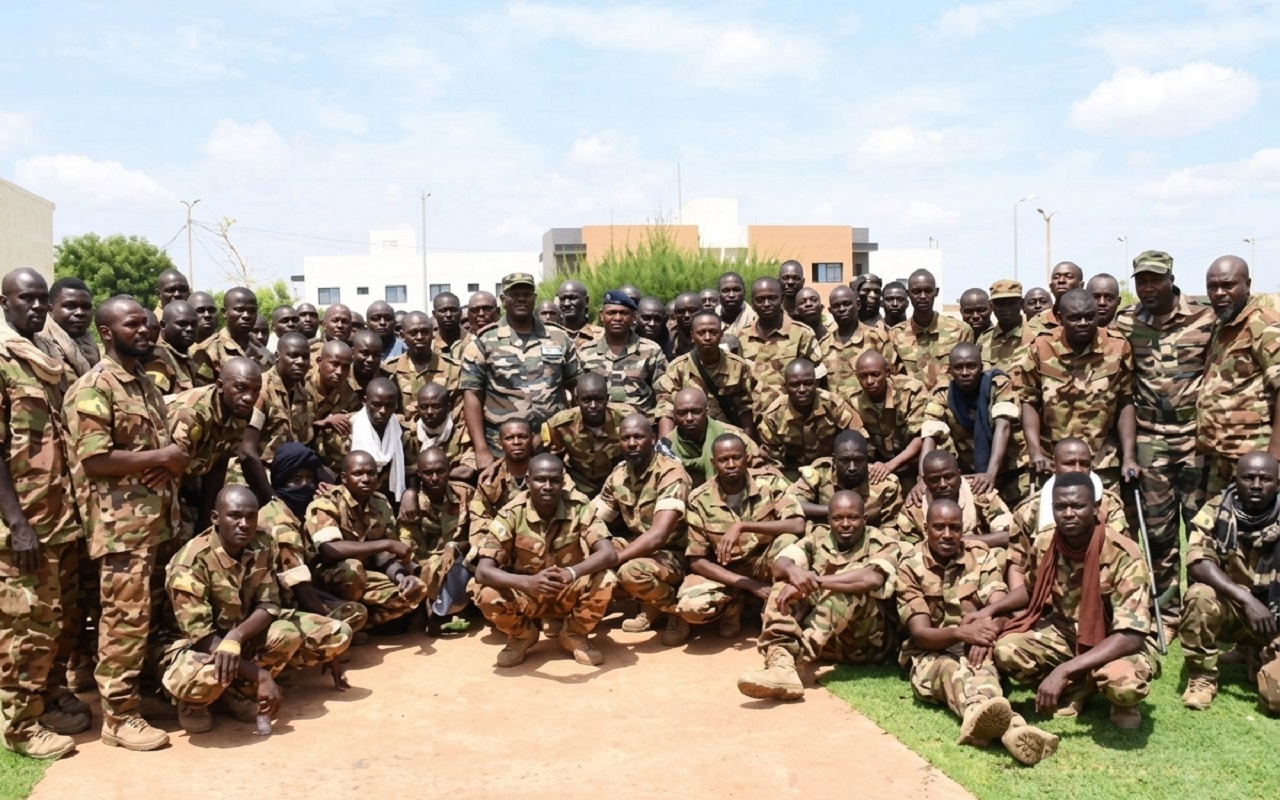
- The arrests occurred amidst Togo's lauded mediation efforts, which saw the release of two Wagner mercenaries and 82 Malian soldiers in August 2026.
- Critics highlight a perceived contradiction between Faure Gnassingbé, President of the Council of Ministers, and his international peacemaking role and internal concerns regarding media freedom, arbitrary detentions, and the security situation in Togo's Savanes region.
- Some observers sarcastically refer to Faure Gnassingbé, President of the Council of Ministers, as a "hostage-taker" due to the significant number of "prisoners of opinion" reportedly held in Togolese jails.
French Journalists Detained in Togo
These internal contradictions have led some to sarcastically label Faure Gnassingbé, President of the Council of Ministers, a 'hostage-taker,' casting a shadow over his international mediation efforts.
Two French documentary filmmakers, alongside their Togolese fixer, were apprehended on July 27, 2026, in Kara, located in northern Togo. The trio was actively engaged in filming for a documentary series titled "Les routes de l’impossible" at the time of their arrest. Subsequently, on August 17, 2026, they were placed in provisional detention, intensifying concerns surrounding media operations in the West African nation.
The charges brought against the French journalists and their local colleague center on allegations of "false declarations" pertaining to their entry visas. Authorities have indicated that their prosecution is supported by "serious and corroborating evidence." However, legal representatives for the accused have vehemently rejected these accusations, setting the stage for a contentious legal battle.
Legal Scrutiny Over Visa Allegations
The provisional detention of the French journalists, stemming from the "Togo visa false declarations charges," underscores a heightened scrutiny of immigration compliance for foreign nationals, particularly those involved in sensitive reporting. The specific details of the alleged false declarations have not been fully disclosed, but the authorities' insistence on "serious and corroborating evidence" suggests a firm stance on the matter. This situation highlights the potential legal challenges faced by international media personnel operating in Togo.
Lawyers for the detained individuals have publicly challenged the validity of the charges, arguing against the accusations of false declarations. This legal dispute brings into focus the broader issue of media freedom and the regulatory environment for journalists within Togo, prompting questions about the ease with which foreign reporters can conduct their work without facing legal impediments.
Contrasting Narratives: Mediation vs. Internal Clampdown
The arrests and subsequent provisional detention of the French journalists coincide with Togo's prominent role in regional diplomacy, particularly its mediation efforts in Mali. On August 20, 2026, two Wagner Group mercenaries, who had been captured by Azawad Liberation Front (FLA) fighters during the Battle of Tinzawaten in July 2024, were released. This event followed by one week the freeing of 82 Malian soldiers, also held by the FLA and Jnim.
Official communications from the Togolese regime have attributed these successful releases to Faure Gnassingbé, President of the Council of Ministers, and his "proximity diplomacy," emphasizing the importance of maintaining direct communication channels even when official relations are strained. This portrayal of Faure Gnassingbé, President of the Council of Ministers, as a regional peacemaker, however, stands in stark contrast to the internal situation, where the "Togo provisional detention French journalists visa" case has drawn attention to "Togo media freedom concerns" and the broader human rights record.
The Faure Gnassingbé Mediation Controversy
The "Faure Gnassingbé mediation controversy" has intensified following the journalists' arrests, with critics drawing a sharp distinction between Togo's international image and its domestic realities. While the regime champions Faure Gnassingbé, President of the Council of Ministers, and his efforts to secure the release of "Wagner mercenaries Mali release Togo," internal observers question why similar diplomatic strategies are not applied to address the escalating security challenges in Togo's northern Savanes region, which some link to the arrests in Kara.
Furthermore, the perception of Faure Gnassingbé, President of the Council of Ministers, as a "man of peace" is undermined by allegations of widespread arbitrary detentions within Togo. Reports indicate that nearly a hundred Togolese citizens are deprived of their freedom for minor reasons, with numerous "prisoners of opinion" reportedly held in Togolese jails. These internal contradictions have led some to sarcastically label Faure Gnassingbé, President of the Council of Ministers, a 'hostage-taker,' casting a shadow over his international mediation efforts.
Practical Implications
Lawyers advising media or international clients operating in Togo should note the increased risk of arbitrary detention and 'false declaration' charges related to visas. This case signals a need for rigorous review of immigration compliance and heightened awareness of potential legal challenges for personnel, particularly journalists, engaged in sensitive reporting.
Source
How does this affect you?
Get an AI analysis of this article grounded in your jurisdictions, practice areas, and any policy documents you've uploaded to Wansom.
Finish Reading the Full Story and the Expert Analysis.
Wansom is AI and can make mistakes.