
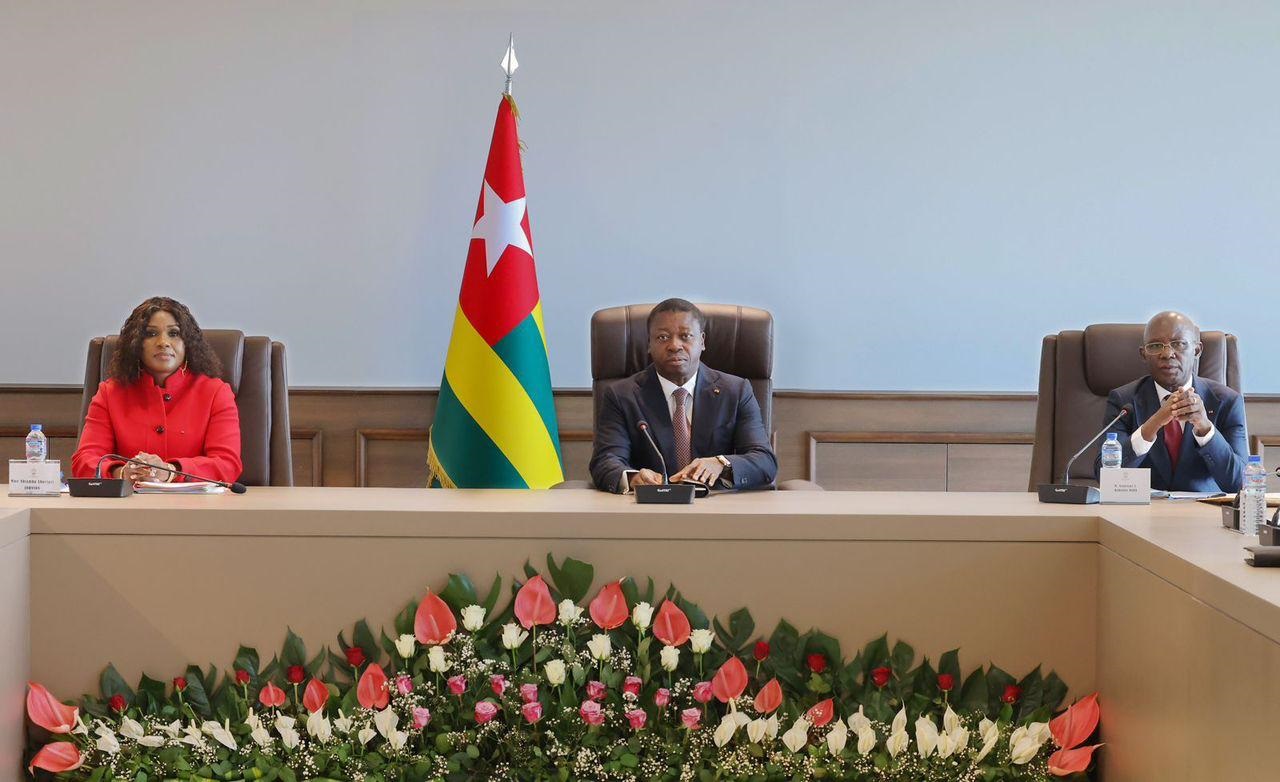
Togo: Nouvelle Loi Secteur Électricité Approuvée Pour Réforme Et Investissements
Summary
- Togo's Council of Ministers, led by President of the Council of Ministers Faure Essozimna GNASSINGBE, approved two key draft laws on October 6, 2026.
- One law introduces a major reform of the electricity sector to modernize governance, attract investment, and enhance energy security.
- The electricity reform includes recognizing storage, creating eligible client status, and integrating cybersecurity requirements for networks.
- The second law amends the 2023 chemical weapons legislation to strengthen control over explosives and sensitive products.
- This amendment associates the Ministry of National Defense with ANIAC-TOGO for monitoring and authorization processes of dangerous substances.
Key Decisions from Togo's Council of Ministers
The comprehensive reform aims to transform Togo's electricity sector into a more modern, innovative, and financially sustainable model, designed to attract investment and accelerate universal access to power.
Togo's Council of Ministers, under the leadership of President of the Council of Ministers Faure Essozimna GNASSINGBE, convened on Tuesday, October 6, 2026, to address critical national matters. During the session, the Council approved two significant draft laws and three decrees, listened to three communications, and confirmed several nominations. These legislative actions signal a proactive approach by the Togolese government to modernize key sectors and enhance national security.
The approved legislation includes a comprehensive reform of the electricity sector and an amendment to existing law concerning chemical weapons. These initiatives are designed to bolster the nation's infrastructure, improve public services, and fortify defenses against emerging threats, reflecting a strategic effort to adapt to contemporary challenges and opportunities.
Transforming Togo's Electricity Sector
A major focus of the Council's deliberations was the adoption of a new law pertaining to the electricity sector, a critical public service and a cornerstone of energy and economic sovereignty. This **Togo nouvelle loi secteur électricité** is a direct response to the sustained growth in demand for power and the rapid technological and economic shifts occurring within the energy landscape. Its primary objectives are to update the existing legislative framework, strengthen sector governance, and facilitate substantial **Togo investissements infrastructures électriques**.
The new law introduces several pivotal innovations aimed at fostering a more dynamic and resilient energy market. These include the formal recognition of electricity storage, the establishment and regulation of a new 'eligible client' status, and provisions for third-party access to electricity networks. Furthermore, the legislation enhances the role of independent power producers, promotes self-production and self-consumption, and encourages the injection of surplus renewable electricity into the grid. It also lays the groundwork for deploying smart meters and incorporates crucial cybersecurity requirements for network infrastructure. This **Togo réforme électricité 2026** is expected to significantly improve energy availability and quality across the nation.
Enhanced Security Measures for Explosives and Chemical Substances
In parallel with energy reforms, the Council also adopted a draft law to amend Law n° 2023-003 of March 2, 2023, which prohibits the development, manufacture, storage, and use of chemical weapons, and mandates their destruction. This **Togo modification loi armes chimiques 2023-003** comes in the context of a challenging national and sub-regional security environment, marked by the activities of armed criminal groups frequently employing improvised explosive devices (IEDs).
The amendment aims to significantly reinforce the **Togo contrôle substances explosives** and other sensitive products, particularly concerning their importation, exportation, and circulation. The goal is to prevent the diversion of these materials for purposes that could compromise national security. A key provision of the new law involves the Ministry of National Defense collaborating with the National Authority for the Prohibition of Chemical Weapons (ANIAC-TOGO) in the authorization and monitoring processes for civil explosives, military chemical agents, and any substances that could be used in IEDs or pose risks to national security and the environment. This reform is designed to strengthen national control, traceability, and monitoring mechanisms, fostering better coordination among relevant agencies and proactively mitigating security and environmental risks.
Broader Implications for Togo's Development
The comprehensive reform of the electricity sector is poised to transform Togo's energy landscape into a more modern, innovative, and financially sustainable model. This strategic shift is designed to accelerate universal access to electricity and enhance service quality for all citizens. By allowing special economic zones to diversify their power supply through self-production and direct contracts with national or regional producers, the law aims to improve energy availability, manage costs for businesses, and boost the attractiveness of industrial zones.
Furthermore, the legislation mandates the progressive connection of isolated networks to the national grid, strengthens consumer protection, and promotes increased exchanges within the regional electricity market. These measures are intended to diversify supply sources and bolster the country's overall energy security. Concurrently, the tightened controls on explosives and chemical precursors underscore Togo's commitment to national security and its proactive stance against evolving threats, ensuring a safer environment for both its citizens and its economic development.
Practical Implications
Lawyers advising clients in Togo's energy sector must review the new electricity law for implications on investment, governance, market access, and cybersecurity compliance. Additionally, companies handling explosives or chemical precursors should anticipate stricter controls and revised authorization procedures under the amended chemical weapons legislation.
Source
How does this affect you?
Get an AI analysis of this article grounded in your jurisdictions, practice areas, and any policy documents you've uploaded to Wansom.
Finish Reading the Full Story and the Expert Analysis.
Get the latest legal & regulatory intelligence in Togo
Wansom is AI and can make mistakes.