
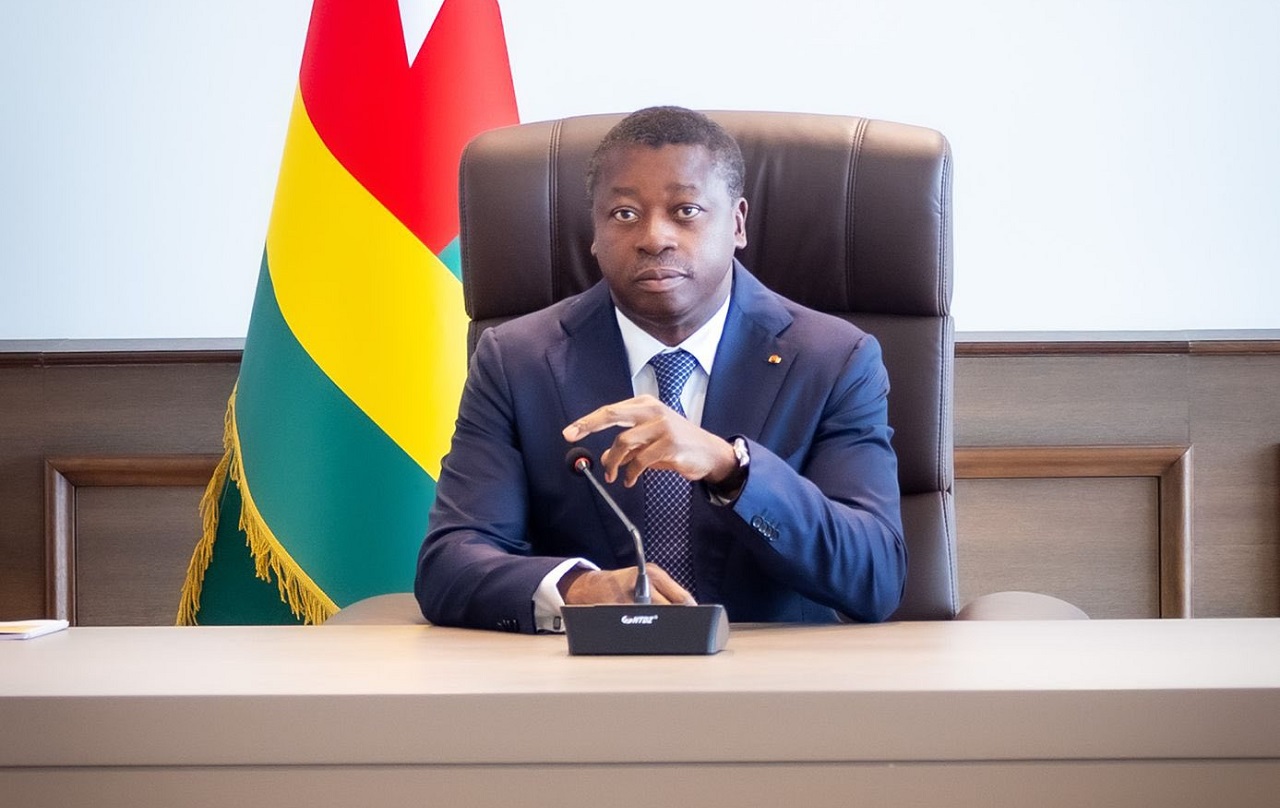
Togo: Nouvelle Constitution Contestée, Faure Gnassingbé Président du Conseil
Summary
- Togo implemented constitutional reforms one year ago, establishing a parliamentary system and creating the role of President of the Council.
- Faure Gnassingbé was appointed to the newly created position of President of the Council.
- The constitutional changes continue to be contested by both the opposition and civil society organizations.
- Observers note that the reform has primarily served to reinforce the incumbent regime's power and influence.
Togo's Contested Constitutional Overhaul
The practical outcome of these reforms, as observed by many, has been a reinforcement of the existing political power structure.
Togo has been navigating significant constitutional changes for the past year, following the implementation of a comprehensive reform package. This `Togo réforme constitutionnelle` introduced a new parliamentary system of governance, fundamentally altering the nation's political structure. A key component of these amendments was the establishment of the position of President of the Council, a role designed to lead the executive branch within the new framework.
However, these far-reaching constitutional adjustments have not been met with universal acceptance. From their inception, the reforms have faced considerable opposition from various segments of Togolese society. Both the political opposition and civil society organizations have consistently voiced their objections, leading to an ongoing period of political contention surrounding the legitimacy and implications of the new constitutional order.
The New Leadership Structure
Under the provisions of the newly adopted `Togo nouvelle Constitution contestée`, the role of President of the Council was created, signifying a shift in executive power dynamics. This pivotal position was subsequently entrusted to Faure Gnassingbé, the incumbent head of state. His appointment to this newly established office is a central element of the constitutional changes, reshaping the leadership landscape within the `régime parlementaire Togo`.
This structural modification places significant authority in the hands of the President of the Council, particularly within the parliamentary system now in effect. The move has been closely watched by observers of `droit constitutionnel Togo`, as it redefines the balance of power and the operational mechanisms of the government, with Faure Gnassingbé at the helm of this new executive function.
Persistent Opposition and Political Consolidation
Despite the constitutional reforms having been in force for a year, the `Togo constitutional changes opposition` remains steadfast. Critics from both the political opposition and civil society continue to challenge the validity and intent behind the new constitutional framework. Their ongoing contestation highlights deep-seated concerns regarding the democratic implications of these changes and their impact on the country's political future.
Indeed, the practical outcome of these reforms, as observed by many, has been a reinforcement of the existing political power structure. Rather than fostering a more distributed system of governance, the new constitution, particularly with the appointment of `Faure Gnassingbé président du Conseil`, appears to have only solidified the regime's dominant position, leading to accusations that it has merely served to entrench its omnipotence.
Broader Implications for Governance
The enduring controversy surrounding Togo's constitutional reform carries significant implications for the nation's governance and stability. The persistent challenge from opposition groups and civil society suggests a fundamental disagreement over the direction of the country's political evolution. This ongoing dispute over the `Togo nouvelle Constitution contestée` could potentially lead to prolonged periods of political uncertainty and legal challenges.
For those monitoring `droit constitutionnel Togo`, the perception that the reforms have primarily served to strengthen the incumbent regime raises questions about democratic accountability and the future of political pluralism. The outcome of these constitutional changes, particularly their role in consolidating power, will continue to be a critical factor in understanding Togo's political trajectory and its adherence to democratic principles in the years to come.
Practical Implications
Lawyers advising on governance, investment, or human rights in Togo should closely monitor the ongoing political and legal challenges to the new Constitution, as its contested legitimacy could lead to future instability or legal uncertainties affecting client operations and compliance.
Source
How does this affect you?
Get an AI analysis of this article grounded in your jurisdictions, practice areas, and any policy documents you've uploaded to Wansom.
Finish Reading the Full Story and the Expert Analysis.
Get the latest legal & regulatory intelligence in Togo
Wansom is AI and can make mistakes.