
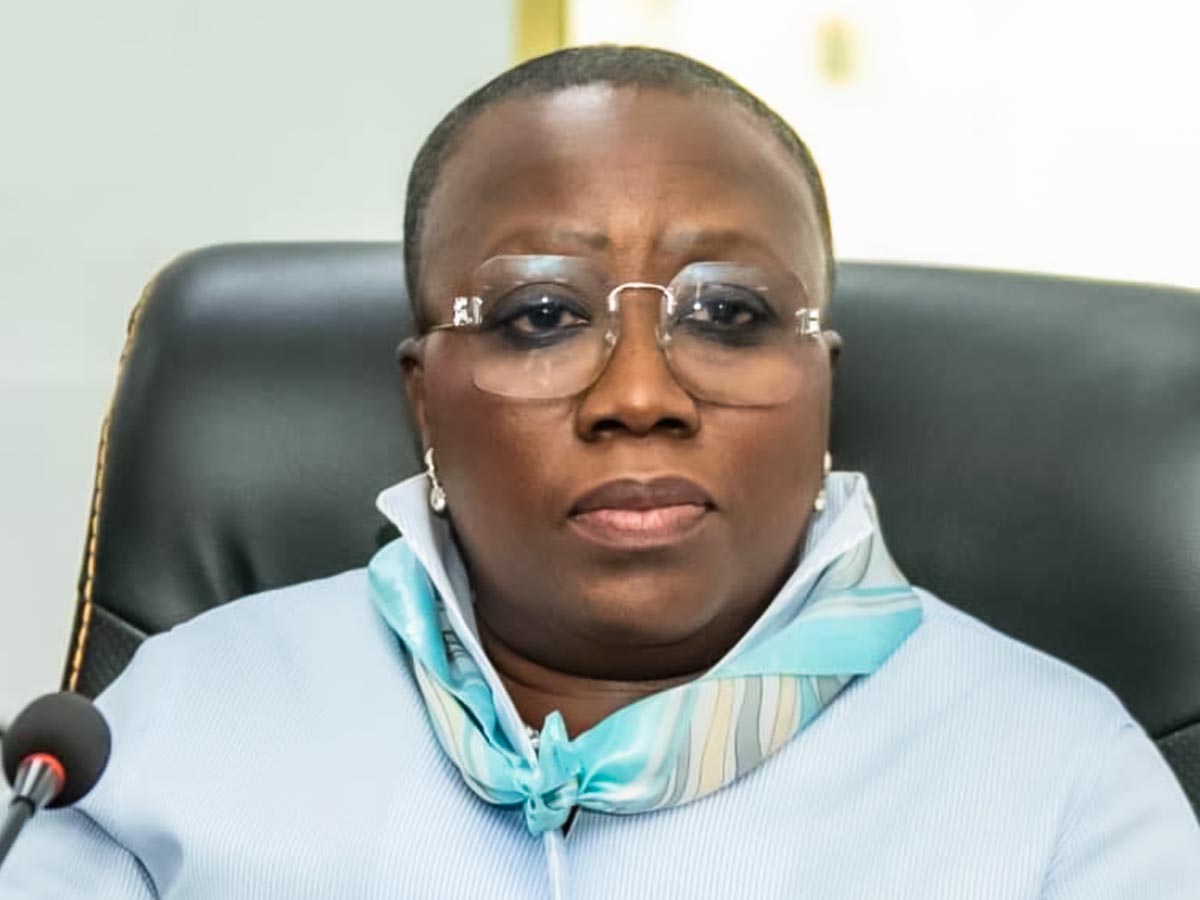
Togo Myriam Dossou-D’Almeida: Medical Refusal For TikTok Comments Questioned
Summary
- Myriam Dossou-D’Almeida, 6th Vice-President of Togo's National Assembly, suggested doctors could refuse treatment based on a citizen's TikTok comments.
- Ms. Dossou-D’Almeida previously directed Togo's national health insurance for twelve years.
- Togolese law and the Hippocratic Oath unequivocally condemn the refusal of medical care based on a patient's personal expressions.
- The statement highlights a critical conflict between patient social media activity and the universal obligation of medical professionals to provide care.
- The incident reinforces the legal and ethical imperative for doctors in Togo to treat all patients without discrimination.
Controversial Statement Sparks Debate on Medical Ethics in Togo
Both Togolese law and the foundational Hippocratic Oath unequivocally condemn the practice of refusing medical treatment based on a patient's personal conduct or expressions, including those made on platforms like TikTok.
A high-ranking official in Togo recently ignited a significant discussion regarding the ethical and legal boundaries of medical care. Myriam Dossou-D’Almeida, who serves as the 6th Vice-President of the National Assembly, suggested that medical professionals might be justified in refusing treatment to a citizen based on comments they have made on the social media platform TikTok. This assertion quickly drew scrutiny, particularly given the fundamental principles governing healthcare provision.
Ms. Dossou-D’Almeida's remarks, which imply a discretionary power for doctors to deny care based on a patient's online speech, have been met with strong opposition from legal and ethical standpoints. The controversy highlights a critical intersection of patient social media activity and the unwavering obligation of medical practitioners. The official's past professional experience further amplifies the weight of her statement; prior to her current role, she directed Togo's national health insurance program for a period of twelve years, a background that would typically suggest a deep understanding of healthcare access and patient entitlements.
Upholding Patient Rights: The Mandate of Togolese Law and Medical Oaths
Contrary to the suggestion made by the Vice-President, both Togolese law and the foundational Hippocratic Oath unequivocally condemn the practice of refusing medical treatment based on a patient's personal conduct or expressions, including those made on platforms like TikTok. The legal framework in Togo, much like international medical ethics, establishes a clear obligation for healthcare providers to offer care without discrimination. This principle ensures that access to essential medical services is not contingent upon a patient's popularity, political views, or online persona.
The Hippocratic Oath, a timeless ethical guide for physicians, mandates impartial care for all individuals in need, irrespective of their background or actions. This ethical cornerstone, when coupled with specific Togolese legal provisions, forms a robust defense against any form of arbitrary denial of medical care Togo. The notion that a doctor could selectively treat patients based on their social media comments directly contravenes these established norms, reinforcing the importance of upholding patient rights and ensuring equitable access to healthcare for every citizen.
Broader Implications for Healthcare and Public Trust
The statement by Myriam Dossou-D’Almeida carries significant implications for the public's trust in the healthcare system and the understanding of Togo doctor patient rights. When a prominent figure, especially one with a history in health insurance administration, suggests that medical refusal TikTok comments could be a legitimate basis for denying care, it risks eroding confidence in the impartiality of medical professionals. Such a stance could lead to a chilling effect, where individuals might fear seeking necessary medical attention if they believe their social media presence could be used against them.
The incident underscores the critical need for clarity on medical ethics and the legal implications of the Hippocratic Oath Togo within the nation's healthcare sector. It serves as a reminder that the fundamental duty of care transcends personal opinions or public statements made by patients. Healthcare compliance officers must ensure that all staff adhere strictly to Togolese law regarding medical treatment refusal, reinforcing that discriminatory treatment based on non-medical factors is unacceptable and legally indefensible.
Practical Implications
This article clarifies that medical professionals in Togo are legally obligated to provide care regardless of a patient's social media activity, reinforcing patient rights and condemning discriminatory treatment. Compliance officers in healthcare must ensure staff adherence to Togolese medical law and the Hippocratic Oath, while lawyers can cite this interpretation in cases involving denial of care.
Source
Source: Original reporting via Icilome
How does this affect you?
Get an AI analysis of this article grounded in your jurisdictions, practice areas, and any policy documents you've uploaded to Wansom.
Finish Reading the Full Story and the Expert Analysis.
Get the latest legal & regulatory intelligence in Togo
Wansom is AI and can make mistakes.