
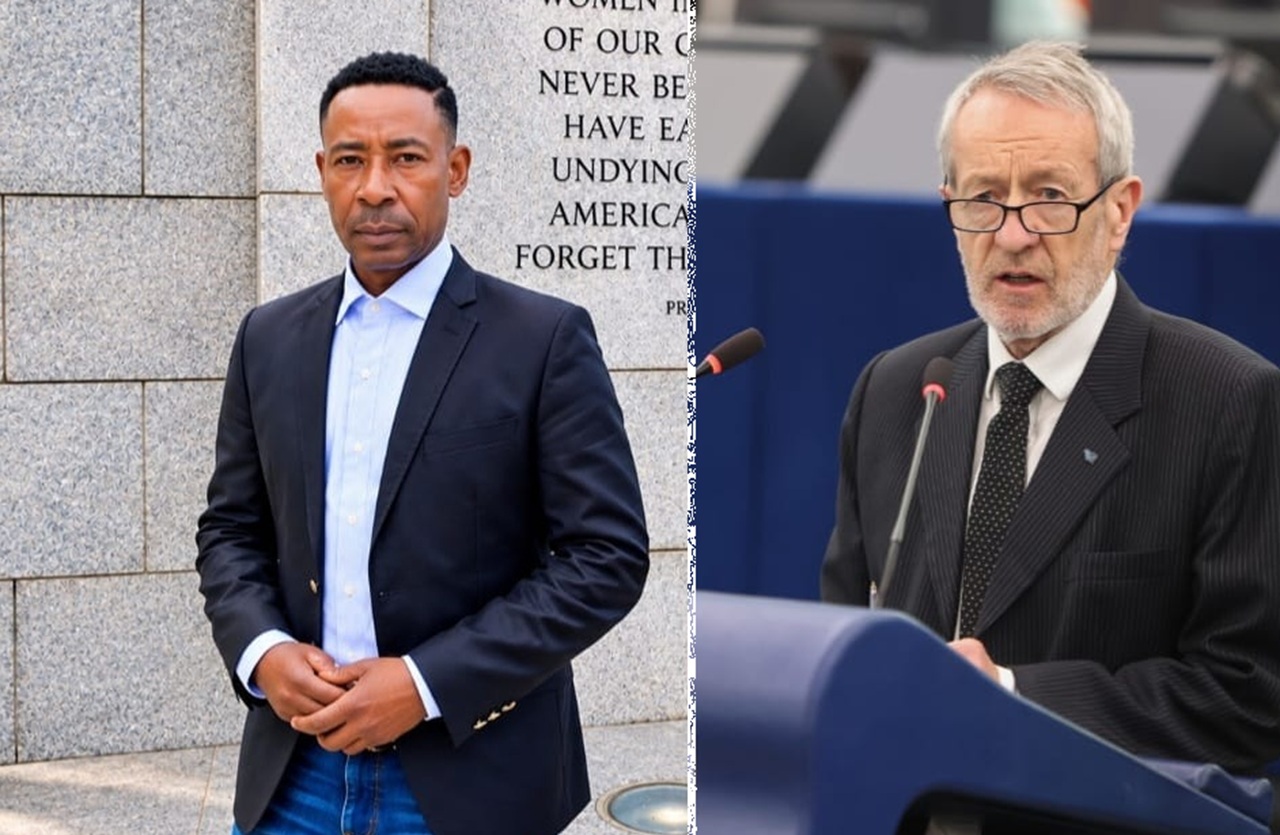
Seán Kelly: Inquires on Togo Human Rights, EU Funds, Judicial Decisions
Summary
- Irish MEP Seán Kelly questioned the European Commission on October 2, 2026, regarding human rights violations and EU fund monitoring in Togo.
- The inquiry highlighted the non-execution of a February 18, 2026, Lomé Court of Appeal decision ordering provisional release for thirteen individuals who remain detained.
- Kelly's questions seek clarification on the transparency of European Commission Togo funds and Togo's compliance with human rights commitments under the Samoa Agreement Article 9.
- The case of Abdoul Aziz Goma, detained for over seven years, underscores systemic issues like prolonged detention and alleged torture in Togo.
- Approximately 70 individuals are documented in political detention cases in Togo, according to human rights actors and Abdoul Aziz Goma.
Parliamentary Scrutiny on Togo's Human Rights Record
The effective execution of judicial decisions stands as a cornerstone of the rule of law, a principle directly challenged by the continued detention of individuals despite court orders for their release.
Irish Member of European Parliament (MEP) Seán Kelly initiated a formal inquiry with the European Commission on October 2, 2026, concerning human rights in Togo. His written question, titled "Monitoring of the use of EU funds in Togo in light of ongoing human rights violations," specifically links three critical areas: the plight of individuals detained alongside Abdoul Aziz Goma, the consistent failure to execute judicial decisions within Togo, and the broader oversight of European financial assistance to the nation.
This parliamentary action represents a demand for accountability from both the European Commission and the European External Action Service (EEAS), rather than an immediate announcement of sanctions. A central point of concern raised in Kelly's inquiry is the non-execution of a February 18, 2026, ruling by the investigating chamber of the Lomé Court of Appeal. This decision mandated the provisional release, under judicial supervision, of thirteen specific individuals. Despite this judicial order, these individuals reportedly remained in detention at the time Kelly submitted his question, with references to new criminal charges, including allegations of terrorism and criminal association.
Rule of Law and International Commitments
The effective execution of judicial decisions stands as a cornerstone of the rule of law, a principle directly challenged by the continued detention of individuals despite court orders for their release. When a court mandates a provisional release, the actualization of this decision relies entirely on the subsequent actions of the authorities responsible for its implementation.
Seán Kelly's inquiry specifically presses for precise clarification regarding the current procedural status of each of the thirteen beneficiaries of the Lomé Court of Appeal decision. It seeks to understand the exact legal grounds, if any, for their ongoing deprivation of liberty and the available avenues for legal recourse. A credible response from the Togolese authorities would necessitate specific judicial documentation, clear dates of decisions, and verifiable proof of their effective execution, moving beyond general statements.
Furthermore, Kelly's questions extend to Togo's international obligations, particularly under Article 9 of the Samoa Agreement. He has asked how the European External Action Service monitors and evaluates Togo's adherence to its commitments concerning human rights, democracy, and the rule of law. This highlights the international community's expectation that judicial decisions, once rendered, are respected and enforced.
Systemic Issues and Ongoing Advocacy
The broader context of these concerns is underscored by the personal experience and ongoing advocacy of Abdoul Aziz Goma, an Irish national of Togolese descent. Goma himself endured over seven years of detention before his release in January 2026, during which he reported experiencing torture and severe human rights violations. His case drew significant international attention, including an opinion from the UN Working Group on Arbitrary Detention (Opinion 39/2023) and a resolution passed by the European Parliament on September 11, 2025.
Since his release, Goma has channeled his efforts into advocating for those who remain imprisoned, their families, and the fundamental necessity of ensuring that judicial decisions are effectively implemented in Togo. His journey illustrates that individual releases, while significant, do not inherently resolve the systemic issues prevalent in the country, such as prolonged detention, allegations of torture, and the lack of effective legal remedies.
Human rights organizations in Togo, in collaboration with Abdoul Aziz Goma, have documented approximately 70 individuals in cases categorized as political detention. Kelly's parliamentary question also scrutinizes the transparency and impact of European Commission Togo funds, asking for criteria and indicators used to ensure credible independent verification and demonstrable benefits for the population, thereby linking financial aid to human rights compliance.
Practical Implications
Lawyers in Togo should be aware of the international scrutiny on the non-execution of judicial decisions, particularly provisional releases, which may influence litigation strategies and client advice in human rights cases. Compliance officers working with EU-funded projects in Togo should monitor the European Commission's response regarding human rights compliance and fund transparency, as this could affect project risk assessments.
Source
How does this affect you?
Get an AI analysis of this article grounded in your jurisdictions, practice areas, and any policy documents you've uploaded to Wansom.
Wansom is AI and can make mistakes.