
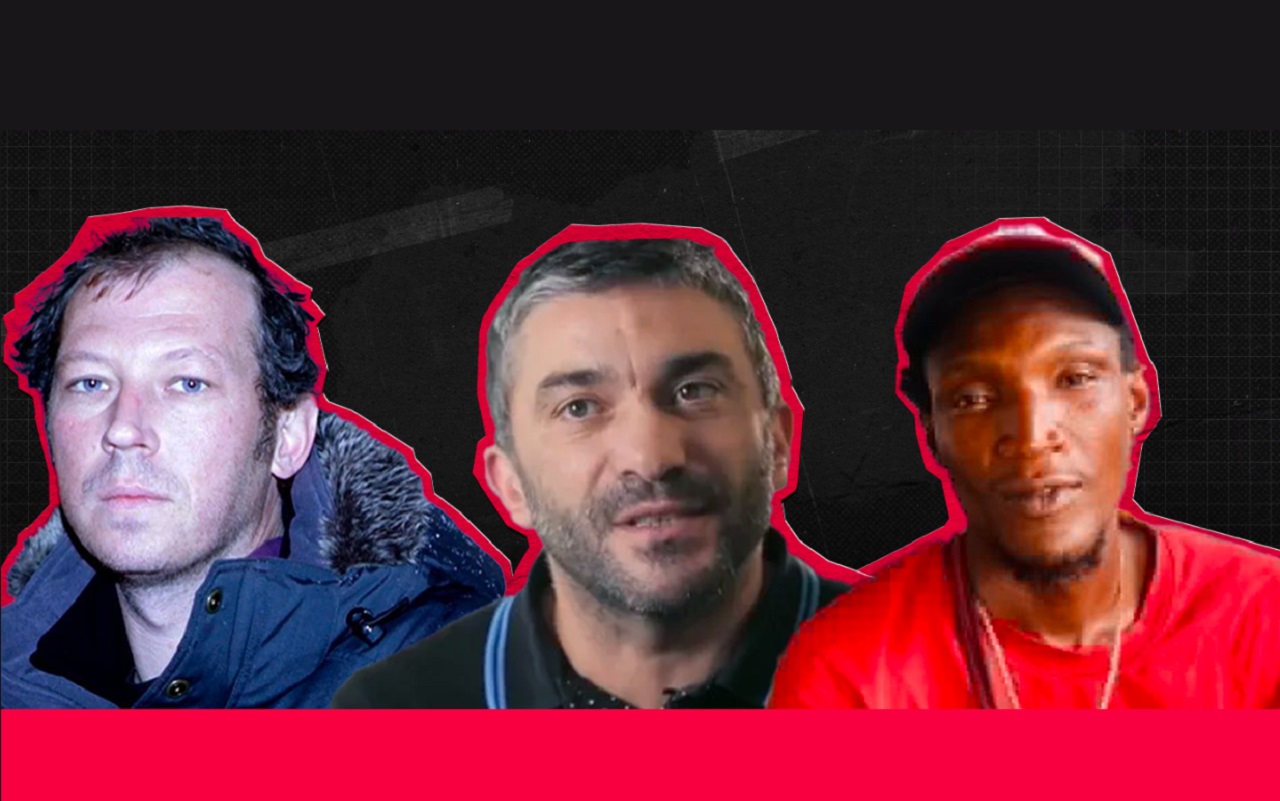
Togo: Gaël Mocaër, Sebastian Perez Pezzani, Vedomey Granted Provisional Release
Summary
- French journalists Gaël Mocaër and Sebastian Perez Pezzani, along with Togolese fixer Fred Vedomey, have been granted provisional release.
- The three individuals were detained for several weeks in Lomé after their arrest on July 27th in northern Togo.
- They were in Togo to film an episode of the France Télévisions documentary series "Les routes de l'impossible."
- Togolese judicial authorities issued the provisional release decision on Tuesday, September 1st.
- All three are facing prosecution on charges of "false declarations."
Provisional Release Granted in Togo
The provisional release granted to Gaël Mocaër, Sebastian Perez Pezzani, and Fred Vedomey highlights a critical aspect of the Togolese legal system: the exercise of judicial discretion in matters of pre-trial detention.
French filmmakers Gaël Mocaër and Sebastian Perez Pezzani, along with their Togolese collaborator Fred Vedomey, have been granted provisional release by Togolese judicial authorities. The trio, who had been detained for several weeks in Lomé, are now free following a decision rendered on Tuesday, September 1st. This development marks a significant turn in their legal situation, which began with their arrest in late July.
The decision to release them provisionally was communicated by one of their legal representatives to RFI, who indicated that the continued incarceration of the individuals was no longer deemed necessary for the ongoing investigation to ascertain the full facts of the case. This judicial determination allows the journalists and their fixer to await further legal proceedings outside of detention, underscoring the discretion exercised by the Togolese courts in such matters.
Background to Detention and Charges
The two French nationals, Mocaër and Pezzani, are identified as journalist-filmmakers who had traveled to Togo for professional purposes. Their objective was to film an episode for "Les routes de l'impossible," a well-known documentary series broadcast by France Télévisions, which explores challenging journeys and remote locations. Their work involved collaborating with local professionals, including Fred Vedomey, who served as their fixer during the production.
Their detention commenced on July 27th, when they were apprehended in the northern region of Togo. Fred Vedomey, their local associate, was arrested alongside them. Subsequently, all three individuals were formally charged with making "false declarations." This accusation formed the basis for their incarceration in Lomé, preceding the recent provisional release.
Legal Context and Implications
The provisional release granted to Gaël Mocaër, Sebastian Perez Pezzani, and Fred Vedomey highlights a critical aspect of the Togolese legal system: the exercise of judicial discretion in matters of pre-trial detention. A provisional release, or "mise en liberté provisoire," does not equate to an acquittal; rather, it permits an accused individual to be released from custody while the prosecution continues. This decision often hinges on the court's assessment that the individual no longer poses a flight risk, will not obstruct justice, or that their continued detention is disproportionate to the stage or nature of the investigation.
For legal practitioners advising foreign nationals or media organizations operating within Togo, this case underscores the potential legal risks associated with charges such as "false declarations." Such accusations, even if ultimately unproven, can lead to significant periods of detention, as experienced by the French journalists and their Togolese colleague. The instance of provisional release, however, also demonstrates that judicial authorities may determine that incarceration is not always a prerequisite for the "manifestation of the truth," as articulated by the defense counsel.
This outcome serves as a pertinent example for understanding the nuances of media detention in Togo. While the specific details of the "false declarations" charges remain central to the ongoing prosecution, the decision to grant provisional freedom suggests a judicial pathway exists for individuals accused of such offenses, even those engaged in sensitive journalistic work. It emphasizes the importance of navigating local legal frameworks carefully and understanding the potential for both stringent application of laws and the availability of judicial remedies like provisional release.
Practical Implications
Lawyers advising foreign nationals or media operating in Togo should note this instance of provisional release, as it highlights judicial discretion in detention matters and the potential legal risks associated with 'false declarations' charges in the jurisdiction.
Source
Source: Original reporting via RFI
How does this affect you?
Get an AI analysis of this article grounded in your jurisdictions, practice areas, and any policy documents you've uploaded to Wansom.
Finish Reading the Full Story and the Expert Analysis.
Wansom is AI and can make mistakes.