
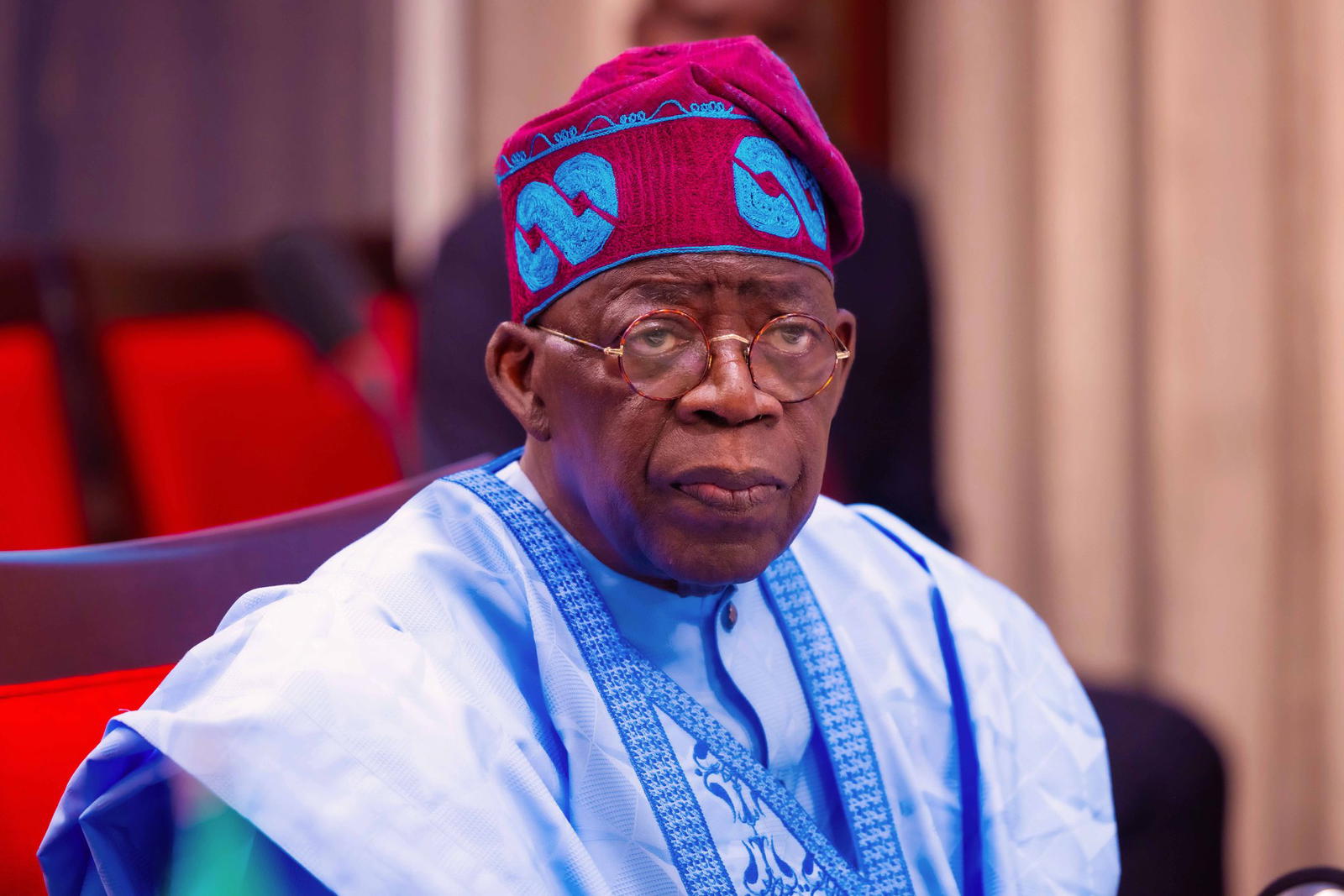
Nigeria: Tinubu Warns Bishops Against 2027 Election Incitement
Summary
- President Bola Tinubu urged Christian leaders to promote peace and responsible participation ahead of the 2027 general election.
- He specifically warned against using religious pulpits to incite violence or deepen societal divisions.
- The caution was delivered in Abuja on Wednesday during the 2026 International Synod.
- This directive signals a heightened focus by authorities on public speech from influential religious figures.
- The warning aligns with existing laws prohibiting incitement and hate speech, indicating potential increased scrutiny for electoral offenses.
Presidential Warning on Electoral Conduct
This presidential caution signals a heightened focus by Nigerian authorities on public speech, particularly from influential religious figures, leading up to the 2027 elections.
President Bola Tinubu recently issued a significant caution to Christian leaders across Nigeria, urging them to foster an environment of peace and encourage responsible civic engagement as the nation approaches the 2027 general election. Speaking in Abuja on Wednesday, the President specifically warned against the misuse of religious platforms, emphasizing that pulpits should not become conduits for inciting violence or exacerbating societal divisions. This directive underscores a proactive stance from the highest office regarding the conduct of influential public figures in the lead-up to future electoral processes.
The presidential address took place during the 2026 International Synod, providing a prominent forum for Tinubu to convey his message directly to a gathering of key religious figures. His remarks highlighted the critical role religious institutions play in shaping public discourse and influencing their congregations. By calling for restraint and constructive participation, President Tinubu sought to preempt potential flashpoints that could arise from politically charged sermons or pronouncements, aiming to safeguard the integrity and stability of the electoral landscape.
This direct appeal from President Tinubu caution Christian leaders signals a clear expectation for religious leaders to uphold national unity and peace, rather than contributing to polarization. The warning against incitement from the pulpit is particularly pertinent given Nigeria's diverse religious and ethnic composition, where inflammatory rhetoric can quickly escalate tensions. The administration appears keen to ensure that religious spaces remain sanctuaries for spiritual guidance, detached from partisan incitement that could undermine the democratic process.
Legal and Regulatory Framework
President Tinubu's warning to Christian leaders resonates with existing legal provisions in Nigeria designed to prevent electoral misconduct and maintain public order. Nigerian electoral law, alongside other statutes, prohibits actions that could incite violence, promote hate speech, or otherwise undermine the electoral process. While religious freedom is a constitutional right, it is not absolute and does not extend to speech that directly threatens national security, public order, or incites criminal acts.
The caution serves as a timely reminder that public pronouncements, especially from influential religious leaders, are subject to scrutiny under these laws. The concept of "incitement" in the context of Nigeria 2027 election incitement warning can encompass various forms of speech, from direct calls to violence to subtle rhetoric that stokes ethnic or religious animosity. The government's emphasis on hate speech prevention 2027 elections suggests a potential increase in enforcement actions against individuals or groups found to be in breach of these regulations.
This presidential caution signals a heightened focus by Nigerian authorities on public speech, particularly from influential religious figures, leading up to the 2027 elections. Lawyers advising religious organizations, media houses, or political actors should be aware of potential increased scrutiny and enforcement actions related to incitement, hate speech, or electoral offenses stemming from public pronouncements, necessitating proactive compliance with relevant laws. The administration's stance indicates a low tolerance for rhetoric that could destabilize the political environment, placing a greater onus on religious leaders electoral conduct Nigeria.
Implications for the 2027 Elections
The President's intervention carries significant weight, particularly given the historical influence of religious institutions in Nigeria's political landscape. Religious leaders often command vast followings and their pronouncements can profoundly sway public opinion and electoral outcomes. Therefore, President Tinubu warns bishops incitement 2027 Nigeria, recognizing the potential for pulpits to be leveraged for political ends, which could either foster peace or sow discord.
This proactive stance by the government indicates a strategic effort to manage the narrative and conduct surrounding the upcoming polls. It underscores a determination to ensure that the 2027 general election is conducted in an atmosphere free from undue religious manipulation or inflammatory rhetoric. The warning serves as a clear signal to all religious leaders, not just Christian leaders, that their public utterances will be closely monitored for compliance with electoral conduct guidelines and laws against incitement.
The implications extend beyond just the immediate electoral cycle, setting a precedent for how religious leaders electoral conduct Nigeria will be viewed and regulated in future political contests. It highlights the delicate balance between freedom of speech and the imperative to maintain national cohesion, especially in a politically charged environment. This focus on pulpit political speech electoral law suggests a more stringent approach to public commentary from religious figures, aiming to curb any potential for religious platforms to be exploited for divisive political agendas.
Practical Implications
This presidential caution signals a heightened focus by Nigerian authorities on public speech, particularly from influential religious figures, leading up to the 2027 elections. Lawyers advising religious organizations, media houses, or political actors should be aware of potential increased scrutiny and enforcement actions related to incitement, hate speech, or electoral offenses stemming from public pronouncements, necessitating proactive compliance with relevant laws.
Source
How does this affect you?
Get an AI analysis of this article grounded in your jurisdictions, practice areas, and any policy documents you've uploaded to Wansom.
Finish Reading the Full Story and the Expert Analysis.
Get the latest legal & regulatory intelligence in Nigeria
Wansom is AI and can make mistakes.