
Tinubu Signs 2025 Budget Extension Law: Capital Projects Get More Time
Summary
- President Bola Tinubu has signed a bill into law extending the implementation of the 2025 national budget.
- This extension specifically applies to the capital component of the budget, which funds long-term development projects.
- It marks the fourth time the Tinubu administration has prolonged the implementation period for the 2025 budget's capital expenditure.
- The legislative action aims to ensure continued disbursement and utilization of funds for critical infrastructure and development initiatives.
Presidential Action on 2025 Budget
This recent development marks the fourth instance under the current Tinubu administration where the implementation window for the 2025 budget's capital expenditure has been prolonged.
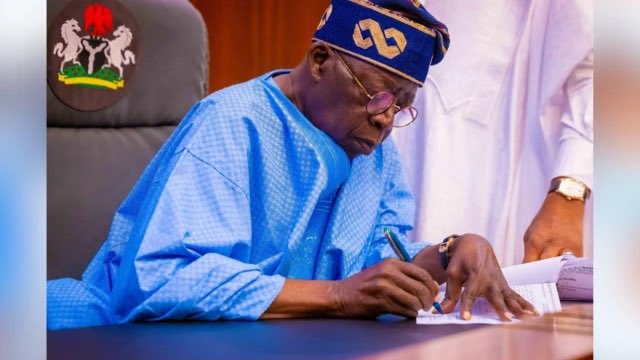
President Bola Tinubu has formally enacted a new law, extending the implementation period for the capital component of the 2025 national budget. This legislative move, confirmed by the President's signature, ensures that funds allocated for critical infrastructure and development projects can continue to be disbursed and utilized beyond their initial timeframe. The signing of this bill is a key administrative decision impacting the nation's fiscal calendar and the progress of government-backed initiatives.
This recent development marks the fourth instance under the current Tinubu administration where the implementation window for the 2025 budget's capital expenditure has been prolonged. Such repeated extensions underscore an ongoing pattern in the management of public sector investments and the execution of long-term strategic projects across various ministries and agencies. The consistent need for these extensions suggests a dynamic and evolving approach to fiscal planning and project delivery within the government.
Understanding Capital Budget Extensions
A budget extension, particularly for the capital component, is a mechanism often employed by governments to provide additional time for the completion of projects that may encounter unforeseen delays. Capital budgets are specifically earmarked for long-term investments such as infrastructure development, public works, and other assets that contribute to national growth and public welfare. These projects are often complex, requiring extensive planning, procurement processes, and execution phases that can be susceptible to various challenges.
The legal framework surrounding budget implementation allows for such adjustments, typically through legislative approval and presidential assent. This flexibility is designed to prevent the lapsing of crucial funds at the end of a fiscal year, which would otherwise necessitate a re-appropriation process in subsequent budgets, potentially causing further delays and administrative burdens. The signing of this bill by President Tinubu therefore ensures continuity in funding for ongoing capital projects.
Implications of Repeated Extensions
The fact that the Tinubu administration has now extended the implementation of the 2025 budget's capital component four times carries significant implications. While extensions can be beneficial for project continuity, a pattern of repeated prolongations may prompt scrutiny regarding the initial planning and execution capabilities of government agencies. It could suggest challenges in meeting original project timelines, potentially due to issues in procurement, contractor performance, or administrative bottlenecks.
For the economy, these extensions mean that capital injections into various sectors will continue, supporting employment and economic activity tied to government projects. However, prolonged project timelines can also lead to increased costs due to inflation or extended operational expenses. Stakeholders, including contractors, suppliers, and the public, will be observing how these extended periods translate into tangible progress and timely completion of the intended development initiatives.
Broader Context and Future Outlook
The consistent need for budget extensions under the Tinubu administration for the 2025 capital budget highlights a broader context of fiscal management and project delivery challenges that many governments face. It emphasizes the complex interplay between legislative timelines, administrative capacity, and the practical realities of executing large-scale public works. The President's decision to sign this latest extension bill reflects a commitment to ensuring that allocated funds are ultimately utilized for their intended purposes, rather than being returned to the treasury unspent.
Moving forward, the administration will likely continue to navigate the balance between fiscal discipline and the flexibility required to complete critical development projects. The repeated extensions of the 2025 capital budget's implementation period will undoubtedly remain a point of discussion regarding governmental efficiency and the strategic planning of national development goals. This ongoing situation underscores the dynamic nature of budget execution in a developing economy.
Source
How does this affect you?
Get an AI analysis of this article grounded in your jurisdictions, practice areas, and any policy documents you've uploaded to Wansom.
Finish Reading the Full Story and the Expert Analysis.
Get the latest legal & regulatory intelligence in Nigeria
Wansom is AI and can make mistakes.