
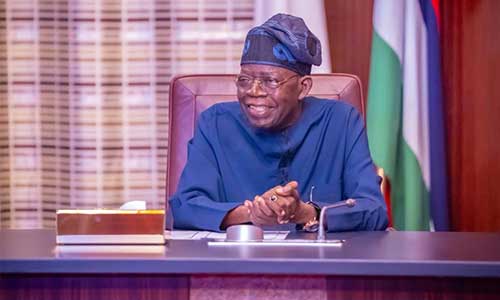
Tinubu Senate FRC NDDC Budget Requests: Key Approvals Sought
Summary
- President Bola Ahmed Tinubu has sent a new set of requests to the Senate for confirmation and legislative action.
- The requests include nominees for the Fiscal Responsibility Commission, the Federal Civil Service Commission, and a non-career ambassadorial position.
- Two executive bills have also been transmitted to the Senate for consideration.
- The 2026 statutory budget proposal for the Niger Delta Development Commission (NDDC) is also part of the submissions.
Presidential Submissions to the Senate
Lawyers and compliance officers should closely monitor the progress of these executive bills and appointments.
President Bola Ahmed Tinubu has recently dispatched a comprehensive set of requests to the Nigerian Senate, encompassing both critical appointments and significant legislative and budgetary proposals. This fresh batch of communications underscores the administration's ongoing efforts to solidify its governance structure and advance key policy initiatives through the legislative arm of government.
The submissions include several nominations requiring senatorial confirmation, alongside two executive bills designed to introduce new legal frameworks or amend existing ones. Furthermore, the President has transmitted the Niger Delta Development Commission (NDDC) budget for the 2026 fiscal year, signaling a forward-looking approach to regional development planning.
These Tinubu Senate FRC NDDC budget requests represent a crucial phase in the executive-legislative relationship, as the Senate's deliberation and approval are essential for the implementation of these proposals. The array of items sent for consideration highlights the multi-faceted agenda of the presidency, touching upon fiscal responsibility, civil service integrity, diplomatic representation, and regional development.
Key Executive Appointments Under Review
Among the nominations forwarded for Senate confirmation are those for the Fiscal Responsibility Commission (FRC), an institution vital for promoting prudent management of the nation's financial resources. These Fiscal Responsibility Commission appointments Nigeria are particularly significant, as the FRC plays a crucial role in ensuring transparency and accountability in public finance.
Additionally, President Tinubu has sought the Senate's approval for nominees to the Federal Civil Service Commission, an essential body responsible for the recruitment, promotion, and discipline of civil servants. The integrity and efficiency of the civil service are paramount for effective governance, making the Federal Civil Service Commission nominees a critical consideration for the legislature. The package also includes a nomination for a non-career ambassadorial position, reflecting the administration's diplomatic priorities.
These Nigeria presidential nominations Senate are subject to rigorous screening processes, where senators will assess the suitability and qualifications of each candidate. The confirmation of these nominees is a prerequisite for them to assume their respective roles, thereby enabling the full operational capacity of these key government agencies.
Legislative and Budgetary Directives
Beyond appointments, President Tinubu has also transmitted two executive bills to the Senate for legislative action. These Tinubu executive bills Senate are expected to address specific policy areas, though their exact nature has not been detailed in the initial communication. Their passage would introduce new legal provisions or modify existing statutes, impacting various sectors of the economy and society.
Crucially, the President has also submitted the 2026 statutory budget proposal of the Niger Delta Development Commission (NDDC). This Niger Delta Development Commission budget 2026 outlines the financial framework for the commission's operations and projects aimed at fostering development in the oil-rich Niger Delta region. The submission of a statutory budget proposal for a future fiscal year underscores a commitment to long-term planning and resource allocation for regional upliftment.
The Senate's review of these executive bills and the NDDC budget proposal will involve detailed scrutiny, potentially leading to debates and amendments before their eventual passage. This legislative process is fundamental to ensuring that proposed policies and financial allocations align with national objectives and public interest.
Implications for Governance and Compliance
The comprehensive nature of President Tinubu's latest requests to the Senate carries significant implications for Nigeria's governance landscape and regulatory environment. The confirmation of nominees for the Fiscal Responsibility Commission, for instance, could lead to a renewed focus on fiscal discipline and compliance with financial regulations across government agencies. Similarly, the Federal Civil Service Commission nominees, once confirmed, will influence the trajectory of public service reforms and human resource management within the federal bureaucracy.
Lawyers and compliance officers should closely monitor the progress of these executive bills and appointments. The potential introduction of new legal frameworks or amendments to existing regulations could necessitate adjustments in corporate and public sector compliance strategies. Furthermore, shifts in regulatory enforcement, particularly concerning fiscal responsibility and Niger Delta development, could create new challenges or opportunities for stakeholders.
These developments also signal potential public sector project opportunities, especially in the Niger Delta region, as the 2026 NDDC budget begins its legislative journey. Understanding the nuances of these presidential submissions is crucial for anticipating policy shifts, navigating regulatory changes, and identifying areas for engagement within the Nigerian public sector.
Practical Implications
Lawyers and compliance officers should monitor the progress of these executive bills and appointments, as they could introduce new legal frameworks, amend existing regulations, or signal shifts in regulatory enforcement and public sector project opportunities, particularly concerning fiscal responsibility and Niger Delta development.
Source
How does this affect you?
Get an AI analysis of this article grounded in your jurisdictions, practice areas, and any policy documents you've uploaded to Wansom.
Finish Reading the Full Story and the Expert Analysis.
Get the latest legal & regulatory intelligence in Nigeria
Wansom is AI and can make mistakes.