
Tinubu Section 145: Nigeria Debates Acting President Declaration
Summary
- President Bola Tinubu's 'working vacation' has sparked a constitutional debate in Nigeria.
- The debate centers on the application of Section 145 of the Nigerian Constitution.
- Section 145 mandates the Vice President to assume presidential functions as acting president after a formal declaration from the President.
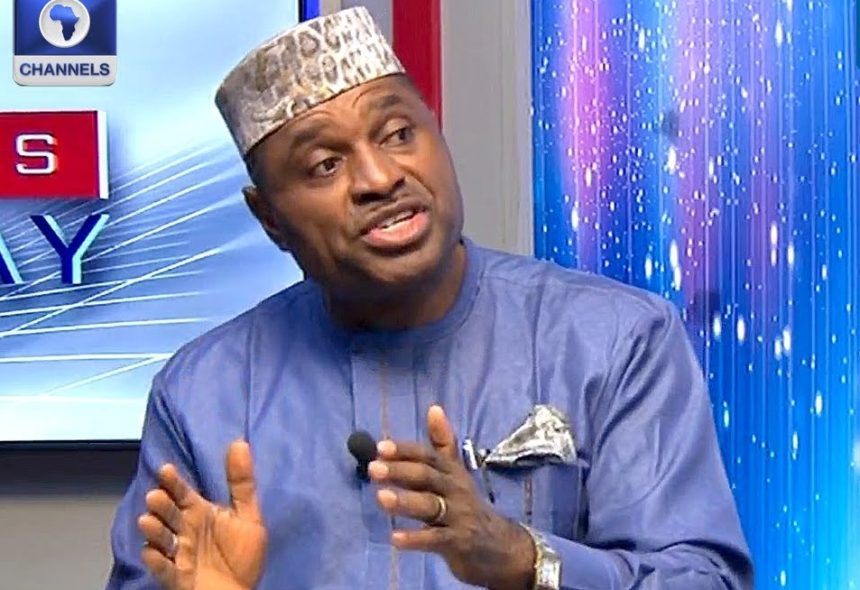
- Okonkwo is a notable voice contributing to this ongoing discussion.
- The core issue is whether a 'working vacation' necessitates a formal declaration for an acting president.
The Catalyst for Constitutional Scrutiny
The ensuing debate centers on the precise conditions under which a President’s temporary unavailability necessitates a formal transfer of power to the Vice President, particularly when the President is described as being on a 'working' break rather than incapacitated.
President Bola Tinubu's recent 'working vacation' has ignited a significant constitutional discussion in Nigeria, drawing attention to the intricacies of presidential succession and the formal declaration of an acting president. This period of absence has prompted legal experts and political observers, including Okonkwo, to scrutinize the application and interpretation of Section 145 of the Nigerian Constitution. The ensuing debate centers on the precise conditions under which a President’s temporary unavailability necessitates a formal transfer of power to the Vice President, particularly when the President is described as being on a 'working' break rather than incapacitated.
The situation underscores a broader interest in how Nigeria's constitutional provisions govern the continuity of executive authority. While a 'working vacation' might imply continued engagement from the President, the constitutional framework, specifically Section 145, outlines a clear mechanism for ensuring governance remains uninterrupted through the formal designation of an acting president. The public discourse, amplified by figures like Okonkwo, highlights the importance of clarity in these constitutional processes to maintain stability and legal certainty within the Nigerian political landscape.
Understanding Section 145 of the Nigerian Constitution
At the heart of the current discussion is Section 145 of the Nigerian Constitution, a pivotal component of Nigerian presidential succession law. This constitutional provision explicitly stipulates the procedure for the Vice President to assume the functions of the President. According to Section 145, the Vice President is empowered to discharge the President’s duties as an acting president. This transfer of authority is contingent upon a specific action: the President must transmit a formal declaration to that effect.
The intent behind Section 145 is to prevent a power vacuum and ensure the seamless continuity of governance in the event of the President's temporary absence or inability to perform official duties. The requirement for a formal declaration underscores the constitutional emphasis on clear, documented processes for the transfer of executive power. The current debate, sparked by President Tinubu's 'working vacation,' therefore brings into focus the precise circumstances that trigger the need for such a Section 145 declaration acting president, and whether a 'working vacation' falls within the scope requiring this formal constitutional step.
The Constitutional Debate and Its Implications
The 'working vacation' taken by President Tinubu has ignited a significant Nigeria Section 145 constitutional debate, particularly concerning the necessity of formally designating an acting president during such periods. The core of the contention revolves around whether a President, even while on a 'working vacation,' is considered sufficiently absent or unavailable to warrant the transmission of a declaration under Section 145. Critics and legal commentators, including Okonkwo, have raised questions about the legal implications of a presidential absence without a formal transfer of power, even if the President is purportedly still engaged in official duties remotely.
This ongoing discussion highlights potential ambiguities in the interpretation of Section 145 regarding presidential succession. The absence of a clear Section 145 declaration acting president during President Tinubu's period away has prompted scrutiny into the precise constitutional threshold for activating this provision. The debate is not merely academic; it touches upon fundamental principles of governance, accountability, and the rule of law in Nigeria, emphasizing the need for unambiguous constitutional adherence in matters of executive authority.
Why Clarity in Succession Law Matters
The constitutional questions raised by President Tinubu's 'working vacation' and the subsequent Nigeria Section 145 constitutional debate carry significant weight for the nation's legal and political future. Ensuring absolute clarity in the application of Section 145 is paramount for maintaining public confidence in the stability of government and upholding the rule of law. Ambiguity surrounding the conditions for a Section 145 declaration acting president could set precedents that might be challenging to navigate in future scenarios of presidential absence or temporary incapacitation.
For legal professionals and compliance officers, the Tinubu working vacation legal implications underscore the critical need to monitor developments closely. A definitive interpretation or clarification of Section 145 in light of such 'working vacations' would provide much-needed guidance on the constitutional process for presidential absence and power transfer. Such clarity is essential not only for immediate governance but also for strengthening the institutional frameworks that underpin Nigeria's democratic system, ensuring that executive functions are always discharged through constitutionally sanctioned means.
Practical Implications
This debate highlights potential ambiguities in the interpretation of Section 145 of the Nigerian Constitution regarding presidential succession and the declaration of an acting president. Lawyers and compliance officers should monitor developments for clarity on the constitutional process for presidential absence and power transfer, which could impact legal certainty in governance.
Source
How does this affect you?
Get an AI analysis of this article grounded in your jurisdictions, practice areas, and any policy documents you've uploaded to Wansom.
Finish Reading the Full Story and the Expert Analysis.
Get the latest legal & regulatory intelligence in Nigeria
Wansom is AI and can make mistakes.