
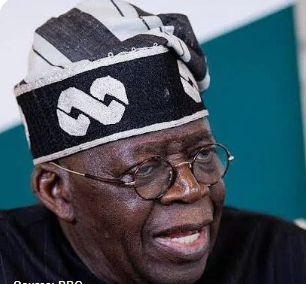
Tinubu: Forwards NDLEA, NSIB, School of Government Bills to Senate
Summary
- President Bola Tinubu has transmitted three executive bills to the Senate for consideration.
- One bill proposes reforms to the country's drug law enforcement framework.
- Another bill seeks to expand the mandate of the Nigerian Safety Investigation Bureau (NSIB).
- The third bill aims to establish a National School of Government.
- These proposals are now awaiting legislative review by the Senate.
Legislative Developments
The collective impact of these Tinubu NDLEA NSIB School of Government bills, if passed, could be far-reaching.
President Bola Tinubu has initiated a significant legislative push by forwarding three distinct executive bills to the Senate for their deliberation and potential enactment. These proposals, transmitted through separate official communications, mark a crucial step in the country's ongoing legislative updates, signaling the administration's priorities across various sectors.
The transmission of these executive bills to the Senate underscores a concerted effort to introduce reforms and establish new frameworks. The legislative body is now tasked with reviewing these proposals, which touch upon critical areas ranging from national security and public safety to governance and institutional development. This move sets the stage for potentially impactful changes in the nation's legal and administrative landscape.
These bills represent key initiatives from the executive branch, seeking to address specific national challenges and enhance governmental capabilities. Their journey through the Senate will involve detailed scrutiny, debate, and potential amendments before they can proceed further in the legislative process. The focus on these particular areas highlights the administration's strategic objectives for the coming period.
Key Proposals Detailed
Among the three legislative proposals is a bill specifically designed to reform Nigeria's existing drug law enforcement framework. This initiative aims to modernize and strengthen the operational capabilities and legal instruments available to agencies like the National Drug Law Enforcement Agency (NDLEA), ensuring a more effective approach to combating illicit drug activities across the nation. The proposed changes could lead to significant adjustments in how drug-related offenses are investigated, prosecuted, and prevented.
Another pivotal bill seeks to expand the mandate of the Nigerian Safety Investigation Bureau (NSIB). Currently focused primarily on air accident investigations, the proposed legislation would broaden the NSIB's scope to cover other modes of transportation, such as rail and maritime incidents. This expansion of the Nigerian Safety Investigation Bureau mandate is intended to enhance safety oversight and investigation capabilities across the entire transport sector, aligning Nigeria with international best practices in comprehensive safety management.
The third executive bill proposes the establishment of a National School of Government. This institution would be dedicated to training and developing public servants, aiming to improve efficiency, professionalism, and ethical conduct within the civil service. The National School of Government establishment bill reflects a commitment to strengthening institutional capacity and ensuring that government officials possess the necessary skills and knowledge to deliver effective public services.
Broader Implications
The collective impact of these Tinubu NDLEA NSIB School of Government bills, if passed, could be far-reaching. The proposed reforms to the drug law enforcement framework could lead to more robust enforcement actions and a re-evaluation of existing policies, potentially affecting various stakeholders from individuals to corporate entities. Similarly, the expanded NSIB mandate would introduce new regulatory requirements and investigative powers across multiple transport sectors, necessitating adjustments for operators and compliance officers.
Establishing a National School of Government signifies a long-term investment in human capital development within the public sector, with the potential to foster a more skilled and accountable civil service. These legislative efforts collectively underscore a strategic direction towards enhanced governance, improved public safety, and a more effective fight against crime. Monitoring the progress of these bills through the Senate will be crucial for understanding the future regulatory and operational landscape in Nigeria.
Practical Implications
Lawyers and compliance officers should monitor the progress of these executive bills through the House of Representatives, particularly those concerning the NDLEA and NSIB, as their passage could significantly alter regulatory frameworks and enforcement powers in drug law and safety investigations, requiring potential adjustments to client compliance strategies.
Source
How does this affect you?
Get an AI analysis of this article grounded in your jurisdictions, practice areas, and any policy documents you've uploaded to Wansom.
Finish Reading the Full Story and the Expert Analysis.
Get the latest legal & regulatory intelligence in Nigeria
Wansom is AI and can make mistakes.