
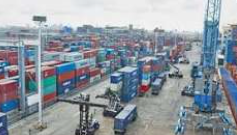
ACTOAN: Tin Can Port N50,000 Container Charges Hinder Exports
Summary
- Truck owners operating near Tin Can Island Port in Lagos have reported significant charges on export containers.
- These alleged multiple charges amount to approximately N50,000 per export-laden container.
- The Chairman of the Association of Container Truck Owners of Nigeria (ACTOAN), Ridwan Bello, raised concerns about these fees.
- The reported N50,000 container charges are said to hinder the promotion of non-oil exports.
Allegations of Excessive Port Charges Emerge
Lawyers must thoroughly investigate the legality of these "illegal port charges Nigeria" to ascertain whether they are authorized by relevant port authorities or constitute illicit levies.
Truck owners operating within the vicinity of Lagos's Tin Can Island Port have recently voiced significant concerns regarding what they describe as multiple, unauthorized charges levied on containers designated for export. These operators, who are crucial to the logistics chain, report that the cumulative cost of these alleged fees amounts to approximately N50,000 for each export-laden container. This development has prompted an alarm from the industry, highlighting potential impediments to trade and raising questions about the operational transparency at the port.
The Chairman of the Association of Container Truck Owners of Nigeria (ACTOAN), Ridwan Bello, has been instrumental in bringing these allegations to public attention. According to ACTOAN, these substantial "Tin Can port N50,000 container charges" are being imposed without clear justification, creating an unexpected financial burden for businesses attempting to move goods through one of Nigeria's busiest maritime gateways. The consistent application of these fees across numerous containers suggests a systemic issue that warrants immediate scrutiny from regulatory bodies and port management.
Impact on Export Promotion Efforts
The reported imposition of these N50,000 container charges directly contradicts national initiatives aimed at bolstering Nigeria's non-oil export sector. Stakeholders argue that such "Tin Can Island Port export charges" inflate operational costs, thereby diminishing the competitiveness of Nigerian products in international markets. The additional financial strain makes it more challenging for exporters to maintain viable profit margins, potentially discouraging future export activities and hindering economic diversification efforts.
These alleged "Nigeria port container fees" are perceived as a significant barrier, particularly for smaller businesses that may lack the financial resilience to absorb unexpected and substantial levies. The concerns raised by ACTOAN underscore a broader apprehension that these charges could undermine the government's strategic objectives to diversify the economy away from its reliance on oil revenues. Ensuring transparent and justifiable "Lagos port export levies" is critical for fostering a conducive environment for trade and attracting foreign investment.
Legal and Compliance Considerations
The emergence of these alleged N50,000 container charges at Tin Can Port presents a critical area of focus for legal professionals and compliance officers advising export businesses. Lawyers must thoroughly investigate the legality of these "illegal port charges Nigeria" to ascertain whether they are authorized by relevant port authorities or constitute illicit levies. Understanding the regulatory framework governing "ACTOAN container charges" and other port fees is paramount for assessing potential financial exposures and identifying grounds for dispute.
For compliance officers, the immediate priority is to ensure that their clients' export operations are not inadvertently subjected to unauthorized payments. This involves a meticulous review of all charges incurred at the port to differentiate legitimate fees from those that are questionable. The implications for export cost structures are substantial, as these additional N50,000 container charges can significantly impact pricing strategies and overall business profitability, necessitating proactive legal and compliance oversight to mitigate risks and protect commercial interests.
Practical Implications
Lawyers advising export businesses operating through Tin Can Port should investigate the legality of these alleged N50,000 container charges to assess potential financial exposures or grounds for dispute. Compliance officers must ensure their clients' operations are not subjected to unauthorized levies and understand the implications for export cost structures.
Source
How does this affect you?
Get an AI analysis of this article grounded in your jurisdictions, practice areas, and any policy documents you've uploaded to Wansom.
Wansom is AI and can make mistakes.