
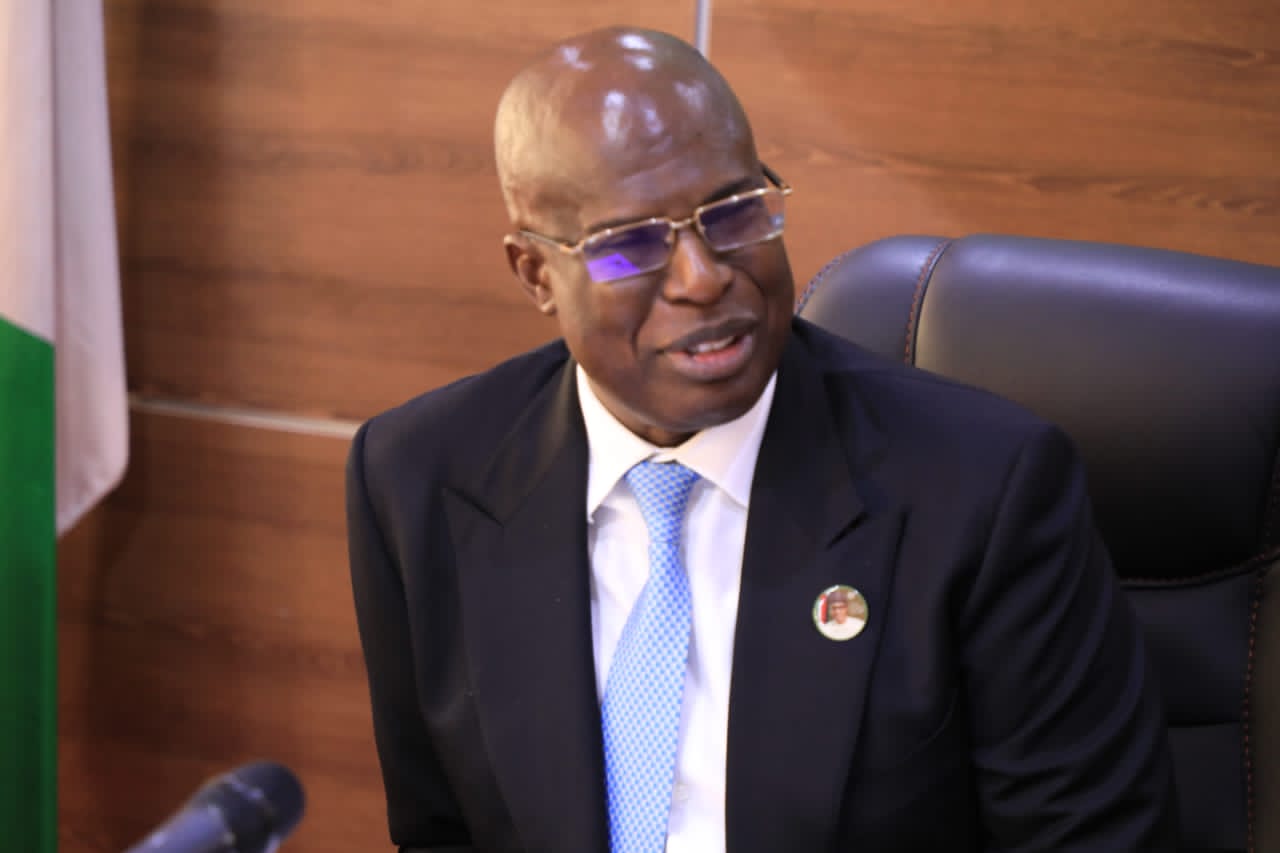
Timipre Sylva Quits APC Nigeria Amid Coup Plot Allegations
Summary
- Timipre Sylva, former governor of Bayelsa, has resigned from Nigeria's All Progressives Congress (APC) party.
- His resignation occurs amidst allegations that he is wanted in connection with an alleged coup plot.
- Sylva stated he is willing to accept the risk of a "redoubled witch hunt" against himself and his associates.
- He also predicted that Nigerians would vote against President Tinubu in the 2027 general election.
High-Profile Resignation Amidst Serious Allegations
Mr. Sylva publicly acknowledged his understanding that his decision could intensify scrutiny, potentially leading to what he termed a "redoubled witch hunt" targeting both himself and his close associates.
Timipre Sylva, a prominent political figure and former governor of Bayelsa State, has formally announced his departure from the ruling All Progressives Congress (APC) party in Nigeria. This significant political move comes at a time when Mr. Sylva is reportedly wanted in connection with an alleged coup plot, adding a layer of intense scrutiny to his decision.
In a public statement, Mr. Sylva acknowledged his full awareness that his actions could intensify political pressure, potentially leading to what he described as a "redoubled witch hunt" targeting both himself and his close associates. Despite these anticipated repercussions, he firmly declared his readiness to accept such risks, underscoring the gravity of his stance.
Further escalating the political discourse, the former governor also expressed a strong conviction regarding the future electoral landscape. He predicted that the Nigerian electorate would cast their votes against President Tinubu in the upcoming 2027 general election, signaling a potential shift in political allegiances and public sentiment.
Legal and Political Ramifications
The allegation of involvement in a coup plot against a former state governor carries profound legal and political ramifications within Nigeria. Such accusations are inherently serious, often triggering extensive investigations and potential legal proceedings under the nation's criminal statutes, which strictly prohibit attempts to subvert constitutional order. The mere existence of such an allegation against a high-profile individual like Mr. Sylva creates an environment of heightened legal risk, not only for him but also for any individuals or entities perceived to be associated with him.
Mr. Sylva's resignation from the APC, the party currently in power, while facing these allegations, could be interpreted in various ways within the political sphere. It might be seen as a strategic move to distance himself from the party, or as a direct response to the pressures stemming from the alleged coup plot. Regardless of the underlying motivation, the confluence of a high-profile political exit and serious criminal allegations underscores a period of potential instability and increased legal scrutiny for political actors in Nigeria.
Broader Implications for Nigerian Governance
The developments surrounding Timipre Sylva's resignation and the alleged coup plot have significant implications for Nigeria's political stability and future governance. His public prediction regarding the 2027 presidential election introduces an element of uncertainty into the political forecast, suggesting potential challenges to the incumbent administration. Such pronouncements from a former governor, especially one facing serious allegations, can influence public perception and contribute to the ongoing political narrative.
For legal professionals advising political figures or businesses with exposure to Nigerian governance, these events necessitate close monitoring. The potential for a "redoubled witch hunt," as described by Mr. Sylva, highlights the risks associated with political dissent and opposition in the current climate. This scenario could lead to increased regulatory enforcement, targeted investigations, or other legal challenges against perceived political adversaries, thereby impacting the broader landscape of political risk analysis in Nigeria.
Practical Implications
Lawyers advising political figures or businesses with exposure to Nigerian governance should monitor developments surrounding alleged coup plots and high-profile political resignations for potential shifts in political stability, regulatory enforcement, or legal risks associated with political dissent.
Source
How does this affect you?
Get an AI analysis of this article grounded in your jurisdictions, practice areas, and any policy documents you've uploaded to Wansom.
Finish Reading the Full Story and the Expert Analysis.
Wansom is AI and can make mistakes.