
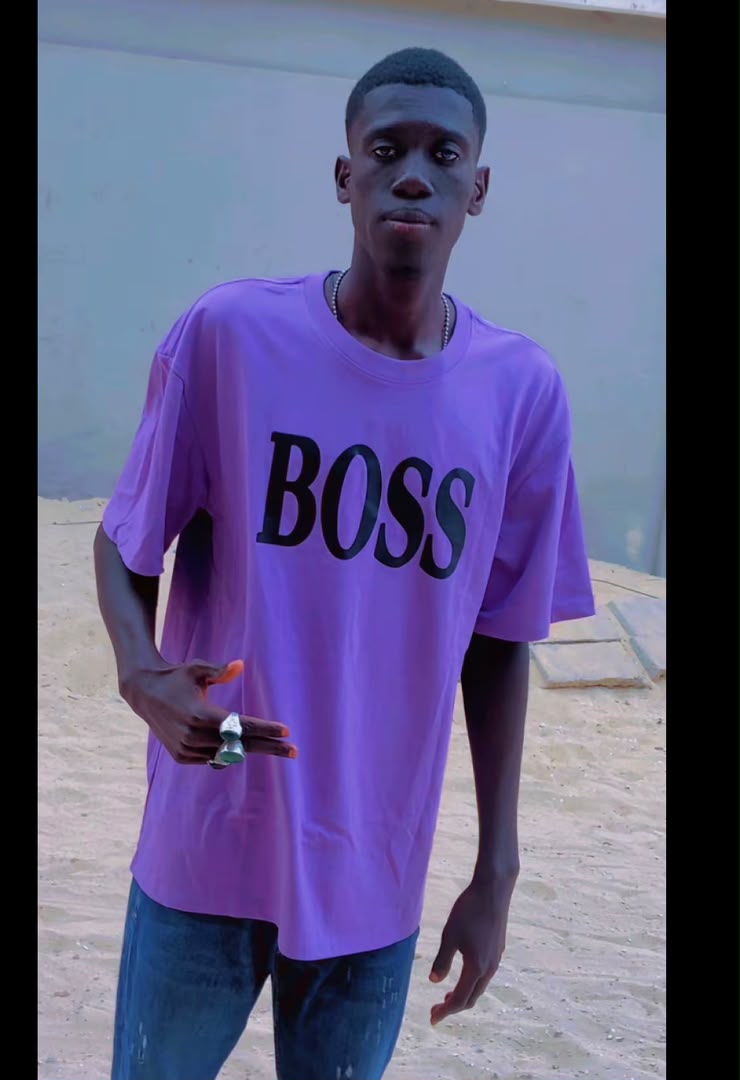
Senegal: TikTokeur Fallo Diouf Emprisonné, Mandat de Dépôt
Summary
- TikTokeur Serigne Fallou Diouf, known as "Fallou Sénégal," has been placed under a detention order in Senegal.
- His apprehension followed a complaint filed by Me Abdoulaye Sène, representing the legal team of Mouhamed Dieng.
- The Division spéciale de cybersécurité (DSC) was responsible for identifying and interpellating Diouf.
- Diouf was referred to the prosecutor's office in Pikine-Guédiawaye on October 6, leading to his remand.
- This case highlights the increasing legal scrutiny over online content and social media activity in Senegal.
Detention of Prominent TikTokeur
The action against the TikTokeur Fallo Diouf underscores a growing trend of legal scrutiny over online content in the nation.
Serigne Fallou Diouf, widely recognized as Fallo Diouf and the administrator of the popular TikTok account "Fallou Sénégal," has been placed under a detention order in Senegal. This significant development follows his identification and subsequent apprehension by the Division spéciale de cybersécurité (DSC), a specialized unit dedicated to combating digital offenses. The action against the TikTokeur Fallo Diouf underscores a growing trend of legal scrutiny over online content in the nation.
The legal proceedings against Diouf commenced after a formal complaint was lodged by Me Abdoulaye Sène, who represents the legal team of Mouhamed Dieng. This complaint served as the catalyst for the investigation that ultimately led to Diouf's arrest. The case highlights the potential legal risks associated with operating social media platforms and publishing content in Senegal, particularly when such content draws the attention of legal representatives.
Following his apprehension, Serigne Fallou Diouf was formally presented before the prosecutor's office in Pikine-Guédiawaye on October 6. This procedural step culminated in a judicial decision to place him under a 'mandat de dépôt,' signifying his official remand into custody pending further legal proceedings. This action underscores the gravity with which authorities are treating the allegations, moving the case from investigation to formal pre-trial detention.
Legal Framework and Enforcement
The involvement of the Division spéciale de cybersécurité (DSC) in the case of Fallo Diouf emphasizes Senegal's commitment to enforcing laws related to cybercriminality. This specialized unit plays a crucial role in monitoring digital spaces, identifying individuals behind online accounts, and initiating legal action when content is deemed to violate existing statutes. The swift identification and interpellating of the individual behind the "Fallou Sénégal" account demonstrate the DSC's operational capabilities.
The issuance of a `mandat de dépôt` against Serigne Fallou Diouf by the Pikine-Guédiawaye prosecutor's office signifies a critical phase in the legal process. This order legally authorizes his pre-trial detention, indicating that the judicial authorities have found sufficient grounds to hold him while the investigation or trial continues. Such measures are typically taken in cases where there is a perceived flight risk, a risk of evidence tampering, or a need to prevent further alleged offenses.
This particular `affaire Fallo Diouf` in Pikine-Guédiawaye serves as a stark reminder of the evolving landscape of `droit pénal Sénégal` concerning digital activities. As social media platforms like TikTok gain widespread usage, the legal system is increasingly adapting to address the challenges posed by online content, including defamation, incitement, or other forms of cybercrime. The legal framework in Senegal is being actively applied to ensure accountability for actions taken in the digital realm.
Implications for Digital Expression
The detention of TikTokeur Fallo Diouf sends a clear message regarding the `risques juridiques réseaux sociaux Sénégal`. Individuals operating popular online accounts are subject to the same legal standards as traditional media, and their digital footprint can lead to serious legal consequences. The complaint filed by Me Abdoulaye Sène on behalf of Mouhamed Dieng's legal team highlights that grievances originating from online content can quickly escalate into formal judicial proceedings.
This incident underscores the imperative for social media users, particularly those with significant public reach, to exercise caution and responsibility in their online postings. The case of Serigne Fallou Diouf, now under a `mandat de dépôt`, illustrates that the anonymity or perceived freedom of online platforms does not exempt users from legal accountability. The active role of the Division spéciale de cybersécurité in this matter further solidifies the government's stance on regulating and policing digital content.
Ultimately, the `TikTokeur Fallo Diouf emprisonné Sénégal` case is poised to become a reference point for discussions surrounding freedom of expression versus legal responsibility in the digital age within Senegal. It emphasizes that while social media offers avenues for communication and entertainment, it also carries substantial legal obligations, and failure to adhere to these can result in severe penalties, including pre-trial detention.
Source
Source: Original reporting via SeneNews
How does this affect you?
Get an AI analysis of this article grounded in your jurisdictions, practice areas, and any policy documents you've uploaded to Wansom.
Finish Reading the Full Story and the Expert Analysis.
Get the latest legal & regulatory intelligence in Senegal
Wansom is AI and can make mistakes.